
Table of Contents
Introduction
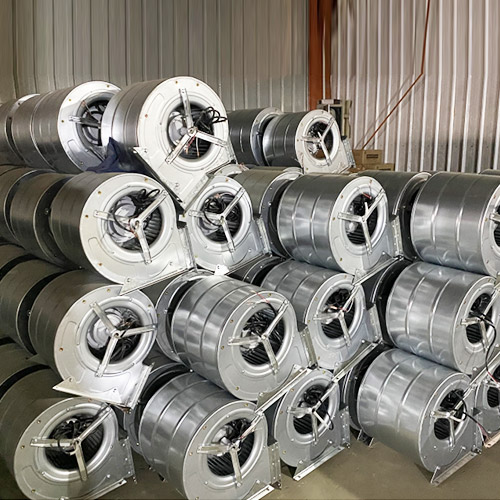
In modern ventilation and HVAC systems, flexibility is essential. A variable-speed centrifugal fan allows precise control over airflow and pressure, adapting to changing environmental conditions or system demands. These fans are widely used in industrial facilities, laboratories, commercial buildings, and data centers, providing energy-efficient, reliable ventilation without overloading the system.
Variable-speed fans combine advanced motors, aerodynamic impellers, and intelligent control systems to optimize airflow, reduce energy consumption, and improve system lifespan.
How Variable-Speed Centrifugal Fans Work
Variable-speed centrifugal fans operate on the principles of standard centrifugal fans but allow adjustable rotation speeds:
- Motor Control – Variable-frequency drives (VFDs) or electronic speed controllers adjust the fan speed based on demand.
- Adaptive Airflow – Adjustments maintain consistent ventilation, pressure, and comfort levels.
- Energy Efficiency – Reducing speed during low demand saves energy without compromising performance.
- Reduced Wear – Lower operating speeds decrease mechanical stress and extend fan life.
By controlling fan speed, users can match airflow precisely to system needs, preventing energy waste and minimizing noise.
Key Features of Variable-Speed Centrifugal Fans
- Adjustable Airflow and Pressure – Suitable for dynamic applications with fluctuating demands.
- Energy Efficiency – Variable speed reduces electricity usage compared to fixed-speed fans.
- Low Noise Operation – Slower speeds generate less noise, ideal for office or residential spaces.
- Durable Construction – High-quality materials ensure longevity even under frequent speed changes.
- Smart Integration – Compatible with building management systems (BMS) or IoT controls.
- Flexible Installation – Inline, wall-mounted, or ducted options available for various applications.
Types of Variable-Speed Centrifugal Fans
Forward-Curved Variable-Speed Fans
Ideal for low-pressure, high-volume airflow systems with noise-sensitive environments.
Backward-Curved Variable-Speed Fans
Offer higher efficiency and are suitable for industrial applications requiring precise airflow control.
Radial Variable-Speed Fans
Handle high-pressure or particulate-laden air while maintaining adjustable speed performance.
Inline Variable-Speed Fans
Compact and flexible for ducted systems requiring adjustable airflow without extra footprint.
Comparison Table: Fixed-Speed vs Variable-Speed Centrifugal Fans
| Feature | Fixed-Speed Fan | Variable-Speed Centrifugal Fan |
|---|---|---|
| Airflow Flexibility | Low | High |
| Energy Consumption | Constant | Adjustable, energy-saving |
| Noise Level | Fixed | Can be reduced by lowering speed |
| Maintenance | Medium | Moderate, lower mechanical stress |
| Best Use Case | Constant demand | Fluctuating demand systems |
Applications of Variable-Speed Centrifugal Fans
Variable-speed centrifugal fans are ideal for:
- Industrial Facilities – Adapt airflow to changing production or ventilation needs.
- Laboratories – Precise control of air changes per hour in sensitive environments.
- Data Centers – Adjust fan speed according to server load to optimize cooling.
- Commercial HVAC Systems – Reduce energy consumption during off-peak hours.
- Residential Buildings – Maintain comfort while reducing electricity costs.
- Specialty Applications – Dust collection, fume extraction, or airflow-sensitive operations.
Selecting the Right Variable-Speed Fan
Key considerations when choosing a variable-speed centrifugal fan:
- Airflow Requirements (CFM) – Ensure fan can handle peak and low-demand scenarios.
- System Pressure (Pa) – Match the fan to duct or process resistance.
- Motor Type and Speed Control – Decide between VFD, EC motors, or other controllers.
- Noise Requirements – Lower speeds reduce noise for office or residential environments.
- Material Durability – Corrosion-resistant metals for harsh conditions.
- Maintenance Accessibility – Easy access to impellers, motors, and controllers for service.
Maintenance Tips for Variable-Speed Fans
- Inspect and clean impellers and housings regularly.
- Lubricate motors and bearings per manufacturer recommendations.
- Monitor speed changes for unusual vibrations or noises.
- Ensure controllers and VFDs are functioning correctly.
- Maintain a preventive schedule to prolong fan lifespan.
Benefits of Working with a Manufacturer
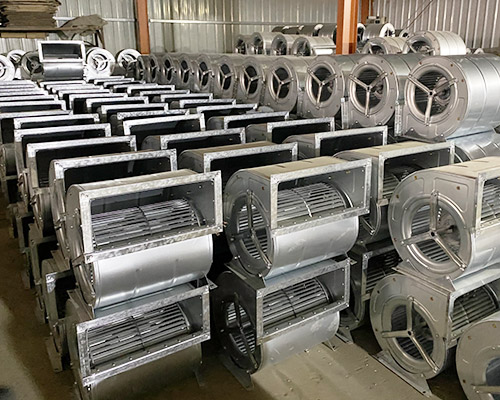
A reputable manufacturer ensures:
- Fans are engineered for variable-speed applications and long-term reliability.
- Guidance on selecting motor types, speed controllers, and airflow options.
- High-quality materials and precise engineering for energy efficiency.
- Support for installation, calibration, and preventive maintenance.
Conclusion
A variable-speed centrifugal fan provides precise airflow control, energy efficiency, and adaptability for fluctuating system demands. By choosing the right model, installing it correctly, and performing routine maintenance, users can achieve optimal ventilation, cost savings, and long-term performance. Variable-speed fans are ideal for industrial, commercial, residential, and specialty applications, offering flexibility and reliability in one package.
FAQ
Q1: What is a variable-speed centrifugal fan?
A: A fan with adjustable rotation speed to control airflow and pressure according to system requirements.
Q2: Where are variable-speed fans commonly used?
A: Industrial facilities, laboratories, commercial HVAC, data centers, and residential buildings.
Q3: How do I choose the right variable-speed fan?
A: Consider airflow range, system pressure, motor type, noise requirements, and installation space.
Q4: Can variable-speed fans save energy?
A: Yes, by reducing speed when demand is low, energy consumption can be significantly lowered.
Q5: How should I maintain a variable-speed centrifugal fan?
A: Regular cleaning, lubrication, inspection of controllers and motors, and preventive maintenance ensure efficiency and long lifespan.