
Table of Contents
Understanding High-Efficiency Centrifugal Fans
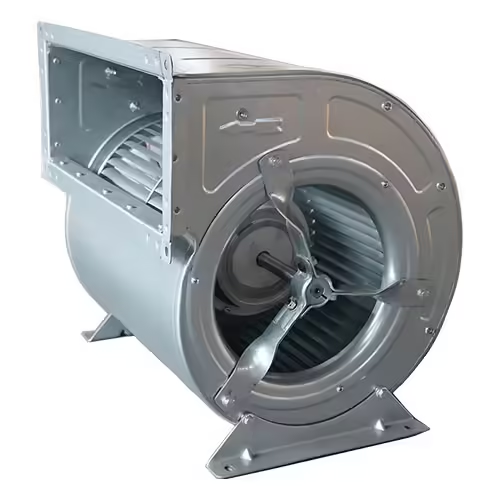
A high-efficiency centrifugal fan is a critical component in modern industrial ventilation systems. Unlike standard fans, it is designed to provide optimal airflow while consuming less energy, reducing operational costs, and maintaining system stability. These fans are widely used in factories, warehouses, cleanrooms, HVAC systems, dust collection, and boiler applications.
The main components include the motor, impeller, and fan housing. The impeller accelerates air outward, creating high static pressure that allows the fan to move air through long ducts or high-resistance filters. By focusing on efficiency, these fans help industries meet energy regulations and reduce environmental impact.
Types of High-Efficiency Centrifugal Fans
Industrial applications demand different types of centrifugal fans based on airflow and pressure requirements:
- Forward Curved Fans: Ideal for low-pressure applications such as indoor HVAC systems.
- Backward Curved Fans: More energy-efficient and suitable for high-pressure industrial operations.
- Radial Fans: Handle dusty or heavy particulate air without clogging.
- Double Inlet Backward Curved Fans: Deliver very high airflow with minimal energy waste for large facilities.
Selecting the right type ensures long-term efficiency and reduces maintenance costs.
Factors to Consider When Choosing a Fan
When selecting a high-efficiency centrifugal fan for industrial ventilation, the following factors are critical:
- Airflow Requirements (CFM): Determine the volume of air needed to meet system demands.
- Static Pressure Needs: Higher static pressure is essential for long ductwork or filtration systems.
- Energy Efficiency: Choose fans with high-efficiency motors and backward curved impellers.
- Noise Control: Low-noise designs improve worker comfort and comply with regulations.
- Material and Durability: Stainless steel or coated alloys resist corrosion in harsh environments.
How High-Efficiency Fans Save Energy
High-efficiency centrifugal fans reduce energy consumption through optimized impeller design and motor efficiency. Using variable speed drives (VSD) allows the fan to adjust airflow according to demand, reducing electricity costs. Proper duct design and correct fan sizing further improve energy savings.
Energy Comparison Table
| Fan Type | Typical Application | Efficiency Rating | Energy Consumption | Noise Level |
|---|---|---|---|---|
| Standard Forward Curved | Small HVAC Systems | Medium | Moderate | Low |
| High-Efficiency Backward Curved | Dust Collection, Boilers | High | Low | Medium |
| Radial High-Efficiency | Cement Plants, Heavy Particulate | High | Low | Medium |
| Double Inlet Backward Curved | Large Industrial Ventilation | Very High | Very Low | Medium |
Applications of High-Efficiency Centrifugal Fans
High-efficiency fans are used across multiple industries:
- HVAC Systems: Ensures comfortable indoor air circulation in factories and warehouses.
- Dust Collection Systems: Maintains clean air in production and chemical facilities.
- Boiler and Combustion Systems: Supplies high-pressure airflow for efficient combustion.
- Cleanrooms and Pharmaceutical Facilities: Controls airflow and contamination levels.
- Industrial Exhaust and Ventilation: Removes fumes, smoke, and hot air from production areas.
Maintenance Tips for Long-Term Performance
Even high-quality fans require proper maintenance:
- Inspect and lubricate bearings regularly.
- Clean dust and debris from impellers and ducts.
- Check impeller alignment and secure mounting bolts.
- Implement a preventive maintenance schedule to monitor motor performance.
Routine maintenance ensures optimal performance, extends lifespan, and reduces energy waste.
Working With a Reliable Manufacturer
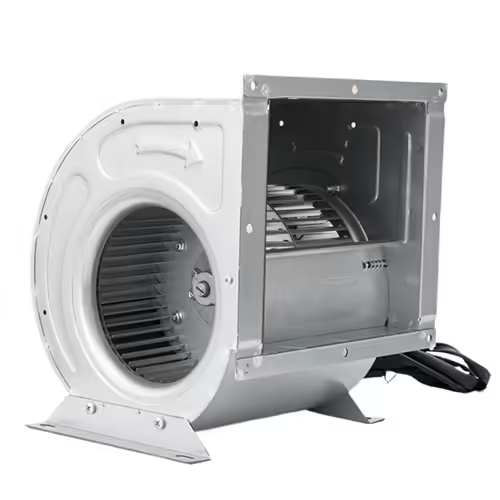
As a direct manufacturer of high-efficiency centrifugal fans, we provide:
- Custom solutions for high-temperature or corrosive environments.
- Direct factory supply, reducing cost and lead time.
- Quality assurance and strict testing standards.
- Support for OEM designs and tailored industrial ventilation solutions.
Partnering with a reliable manufacturer guarantees high performance, energy efficiency, and long-term durability.
Conclusion
High-efficiency centrifugal fans are essential for industrial ventilation systems that require reliable airflow, high static pressure, and energy savings. Selecting the correct fan type, ensuring proper maintenance, and working with a trusted manufacturer can maximize efficiency, reduce costs, and improve system performance. By focusing on energy efficiency and durability, industries can achieve safer, cleaner, and more cost-effective ventilation for years to come.
FAQ
Q1: What is a high-efficiency centrifugal fan?
A: It is a type of industrial fan designed to provide optimal airflow with minimal energy consumption, ideal for HVAC, dust collection, and boiler systems.
Q2: How does a high-efficiency centrifugal fan work?
A: The fan uses a rotating impeller to draw air into the housing and push it outward at high static pressure, making it suitable for long ducts and high-resistance ventilation systems.
Q3: What are the main benefits of using a high-efficiency centrifugal fan?
A: Benefits include energy savings, reliable airflow, lower operational costs, reduced noise, and improved system performance in industrial applications.
Q4: How do I choose the right centrifugal fan for my facility?
A: Consider airflow (CFM), static pressure, motor efficiency, noise level, and material durability. Consulting with a trusted manufacturer ensures proper sizing and optimal performance.
Q5: How should I maintain a high-efficiency centrifugal fan?
A: Regular maintenance includes lubricating bearings, cleaning impellers and ducts, checking alignment, and following a preventive maintenance schedule to maximize lifespan and efficiency.