
Table of Contents
What Is a Centrifugal Fan and How It Works
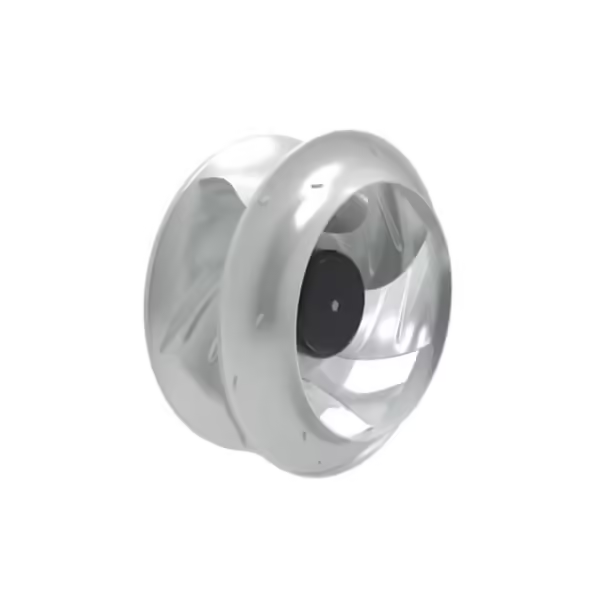
A centrifugal fan, also known as a centrifugal blower, is an essential piece of equipment in industrial ventilation systems. Unlike axial fans, which move air in a straight line, centrifugal fans generate airflow perpendicular to the fan’s intake. This design allows them to produce higher static pressure, making them ideal for systems with long ductwork, filtration devices, or high-resistance applications.
The main components of a centrifugal fan include the motor, impeller, and housing. The impeller spins rapidly, converting mechanical energy into kinetic energy, which pushes air through the fan housing. The airflow and pressure characteristics make centrifugal fans suitable for applications ranging from HVAC systems to dust collection, chemical processing, and boiler operations.
Main Types of Centrifugal Fans Used in Industrial Systems
Centrifugal fans come in several types, each optimized for specific applications:
- Forward Curved Fans: Best for low-pressure applications, commonly used in HVAC systems.
- Backward Curved Fans: Energy-efficient and suitable for high-pressure industrial processes.
- Radial Fans: Designed for handling heavy particulate matter or dusty air.
- Single Inlet vs Double Inlet Fans: Single inlet fans are simpler and cost-effective, while double inlet fans provide higher airflow for larger systems.
Understanding these types helps in selecting the right fan for your industrial setup and ensures optimal performance and energy efficiency.
Key Factors to Consider Before Selecting a Centrifugal Fan
Choosing the right centrifugal fan requires careful evaluation of several critical factors:
- Required CFM and Static Pressure: Determine the airflow needed and the pressure your system requires.
- Energy Efficiency and Motor Power: High-efficiency fans reduce electricity costs and improve long-term ROI.
- Impeller Materials and Corrosion Resistance: For chemical or high-humidity environments, stainless steel or corrosion-resistant alloys are recommended.
- Noise Level Considerations: Low-noise fans are important for indoor applications and worker comfort.
By considering these factors, you can select a fan that balances performance, durability, and operating cost.
Comparing Centrifugal Fan vs Axial Fan
Many engineers ask whether to choose a centrifugal fan or an axial fan. The main differences include:
- Airflow Direction: Centrifugal fans push air perpendicular to the intake; axial fans move air in a straight line.
- Pressure Performance: Centrifugal fans handle higher static pressure, while axial fans are better for high-volume, low-resistance applications.
- Cost and Efficiency: While centrifugal fans may cost more initially, their efficiency in high-resistance systems often results in lower operational costs.
- Durability: Centrifugal fans generally handle particulate matter better and last longer in industrial environments.
Common Industrial Applications of Centrifugal Fans
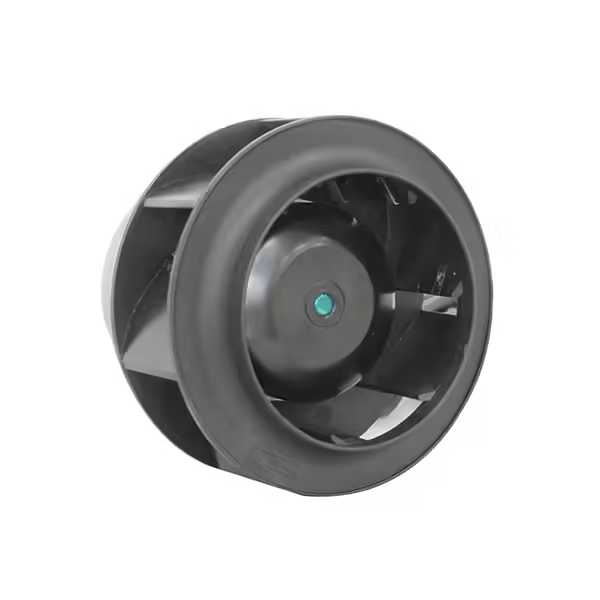
Centrifugal fans are widely used across industries due to their high performance and adaptability. Typical applications include:
- HVAC systems and air handling units
- Dust collection and filtration systems
- Boilers, furnaces, and combustion air supply
- Factory ventilation and fume extraction
- Cleanrooms, laboratories, and pharmaceutical production
These applications highlight why selecting the right centrifugal fan is critical for system efficiency and safety.
How to Calculate the Correct Fan Size for Your System
Proper fan sizing ensures that your system delivers the required airflow without wasting energy. Key steps include:
- Determine Required CFM: Measure the volume of air needed in cubic feet per minute.
- Understand Pressure Loss: Calculate losses from ductwork, filters, and bends.
- Check Performance Curves: Compare system requirements with fan curves provided by manufacturers.
- Avoid Oversizing: An oversized fan consumes more energy and may cause unnecessary noise or vibration.
Here’s an example of how different centrifugal fan types compare in typical industrial applications:
| Fan Type | Typical Application | Max Static Pressure | Energy Efficiency | Noise Level |
|---|---|---|---|---|
| Forward Curved | HVAC, Air Handling Units | Low | Medium | Low |
| Backward Curved | Dust Collection, Boiler Systems | High | High | Medium |
| Radial | Cement Plants, Heavy Particulate | High | Medium | Medium |
| Double Inlet Backward | Large Industrial Ventilation | Very High | Very High | Medium |
Troubleshooting Common Centrifugal Fan Problems
Even high-quality centrifugal fans may experience issues. Common problems and solutions include:
- Excessive Vibration: Check for imbalanced impellers or misaligned bearings.
- Overheating Motor: Ensure proper airflow and verify that the motor is not overloaded.
- Low Airflow or Pressure Loss: Inspect ductwork for obstructions or leaks.
- Unusual Noise: Often caused by loose components or debris in the fan housing.
Regular maintenance and proper installation significantly reduce these issues.
Maintenance Tips to Extend the Lifespan of an Industrial Centrifugal Fan
Proper care ensures long-term performance and reduces unexpected downtime. Recommended practices include:
- Lubricate bearings regularly and inspect for wear.
- Clean dust buildup on impellers, filters, and housing.
- Check impeller alignment and ensure secure mounting.
- Implement a preventive maintenance schedule to monitor motor performance and airflow efficiency.
Why Working With a Reliable Centrifugal Fan Manufacturer Matters
As a direct centrifugal fan manufacturer, we understand the importance of quality, customization, and reliability. Benefits of working with a trusted manufacturer include:
- Tailored solutions for high-temperature, corrosive, or high-pressure applications.
- Strict quality control during production for consistent performance.
- Direct factory supply, reducing lead time and cost.
- Support for OEM or custom designs to meet specific industrial requirements.
Choosing a reliable manufacturer ensures your ventilation system operates efficiently and lasts longer.
How to Improve Energy Efficiency in Industrial Ventilation Systems
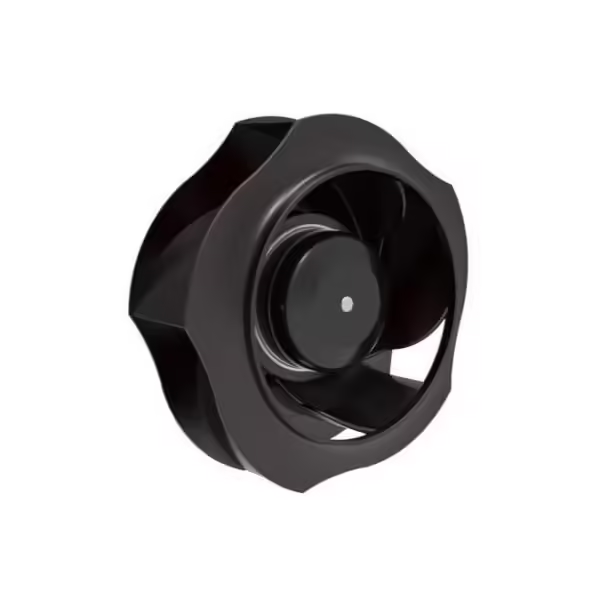
Energy efficiency is increasingly important in industrial operations. Consider the following strategies:
- Use high-efficiency motors and variable speed drives (VSD) to adjust airflow dynamically.
- Optimize ductwork design to minimize pressure loss.
- Select backward curved impellers for systems requiring high static pressure, reducing energy consumption.
Energy-efficient centrifugal fans help reduce electricity costs while maintaining optimal performance.
Conclusion
Centrifugal fans play a critical role in maintaining efficient airflow, stable pressure, and safe working conditions in industrial environments. Selecting the right model requires careful evaluation of airflow needs, pressure requirements, and material durability. As a manufacturer, providing high-quality, energy-efficient centrifugal fans tailored to industrial systems ensures better performance, lower maintenance, and long-term cost savings. By choosing the correct fan type, maintaining equipment properly, and optimizing system design, industrial facilities can maximize efficiency and achieve reliable ventilation performance for years to come.
FAQ
Q1: What is a centrifugal fan used for?
A: A centrifugal fan is used to move air or gases in industrial applications, including HVAC systems, dust collection, boiler ventilation, and cleanroom environments.
Q2: How does a centrifugal fan work?
A: It works by using a rotating impeller to draw air into the fan housing and push it out at a 90-degree angle, generating high static pressure for efficient airflow in ducted systems.
Q3: What are the main types of centrifugal fans?
A: The main types include forward curved, backward curved, radial, and double inlet fans, each designed for specific airflow, pressure, and industrial applications.
Q4: How do I choose the right centrifugal fan for my system?
A: Consider required airflow (CFM), static pressure, energy efficiency, noise level, and material compatibility. Working with a reliable centrifugal fan manufacturer ensures proper sizing and performance.
Q5: How can I maintain a centrifugal fan for long-term use?
A: Regular maintenance includes lubricating bearings, cleaning dust and debris, checking impeller alignment, and following a preventive maintenance schedule to maximize fan lifespan.