
Table of Contents
Introduction
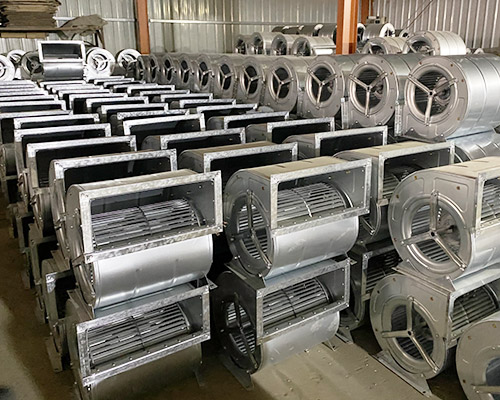
In industrial processes where high temperatures are common, standard fans may fail due to heat exposure. A temperature-resistant centrifugal fan is engineered to operate reliably in extreme temperature environments, ensuring consistent airflow and system performance.
These fans are widely used in metal processing, kilns, high-temperature ovens, chemical plants, and other applications where durability under heat is critical.
How Temperature-Resistant Centrifugal Fans Work
Temperature-resistant centrifugal fans use specialized materials and designs to handle extreme heat:
- Heat-Resistant Impellers – Constructed from alloys or coated materials that can withstand high temperatures.
- Reinforced Housing – Maintains structural integrity under thermal expansion.
- High-Temperature Bearings – Bearings designed to operate without seizing or degrading.
- Thermal-Resistant Motors – Motors with insulation and cooling systems for high-heat environments.
These features allow the fan to maintain airflow and pressure even under prolonged exposure to high temperatures.
Key Features of Temperature-Resistant Centrifugal Fans
- High Heat Tolerance – Operates efficiently in environments exceeding standard temperature limits.
- Durable Materials – Resistant to thermal expansion, warping, and degradation.
- Consistent Performance – Maintains airflow and pressure despite heat fluctuations.
- Flexible Installation – Available in inline, wall-mounted, floor-mounted, or ducted configurations.
- Energy Efficiency – Designed to move air effectively without excessive power consumption.
- Low Maintenance – High-quality components reduce heat-related wear and downtime.
Types of Temperature-Resistant Centrifugal Fans
Forward-Curved Temperature-Resistant Fans
Suitable for low- to medium-pressure systems operating in moderate high-heat conditions.
Backward-Curved Temperature-Resistant Fans
Offer high efficiency and durability in industrial applications with extreme temperatures.
Radial Temperature-Resistant Fans
Ideal for high-pressure or particulate-laden hot air, common in furnaces or chemical processes.
Inline Temperature-Resistant Fans
Compact design for ducted systems that must maintain airflow in high-temperature operations.
Comparison Table: Standard vs Temperature-Resistant Centrifugal Fans
| Feature | Standard Fan | Temperature-Resistant Fan |
|---|---|---|
| Maximum Operating Temperature | 60–80°C | 200–350°C (or higher) |
| Material Durability | Standard | High-heat alloys/coatings |
| Energy Efficiency | Moderate | Optimized for heat resistance |
| Noise Level | Moderate | Similar, can be optimized |
| Best Use Case | Normal temp ventilation | High-temperature industrial processes |
Applications of Temperature-Resistant Centrifugal Fans
Temperature-resistant centrifugal fans are critical in environments such as:
- Metal Processing Plants – Cooling and ventilation in furnaces, smelters, and rolling mills.
- Kilns and Ovens – Maintaining airflow in ceramic, glass, or baking ovens.
- Chemical Plants – Ventilation of hot gases in reactors or processing areas.
- High-Temperature HVAC Systems – Commercial or industrial buildings with extreme heat exposure.
- Laboratories – Equipment or processes that produce high-temperature airflow.
- Food Processing – Heat-tolerant ventilation in ovens or cooking equipment areas.
Selecting the Right Temperature-Resistant Fan
Key factors to consider when selecting a temperature-resistant centrifugal fan:
- Maximum Operating Temperature – Ensure the fan can handle peak heat conditions.
- Airflow (CFM) and Pressure (Pa) – Match fan capacity to system requirements.
- Material Selection – High-temperature alloys or coatings to prevent warping and degradation.
- Motor Type and Insulation – Motor must withstand heat without failure.
- Noise Considerations – Consider design adjustments for quieter operation if needed.
- Installation and Accessibility – Ensure safe installation in high-temperature environments.
Maintenance Tips for Temperature-Resistant Fans
- Inspect impellers and housing regularly for heat-related wear or deformation.
- Monitor bearings and lubricants suitable for high temperatures.
- Ensure motors are not overheating and thermal protection devices function correctly.
- Clean ducts and airflow paths to prevent obstruction from heat-damaged debris.
- Schedule preventive inspections to maintain efficiency and reliability.
Benefits of Working with a Manufacturer
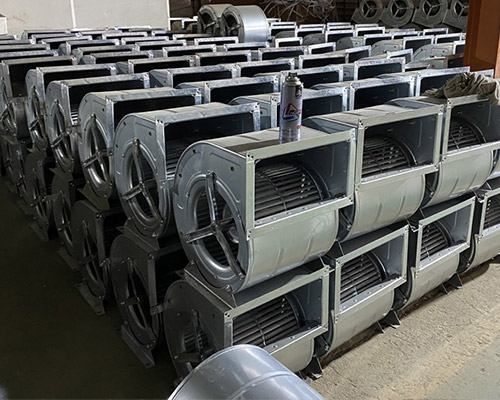
Working with a professional fan manufacturer ensures:
- Fans are engineered for high-temperature durability and long-term performance.
- Guidance on selecting materials, impellers, and motors suitable for your process.
- High-quality components and precise engineering for efficiency and safety.
- Installation, calibration, and maintenance support for extreme temperature applications.
FAQ
Q1: What is a temperature-resistant centrifugal fan?
A: A fan designed to operate efficiently in high-temperature environments without losing performance.
Q2: Where are temperature-resistant fans used?
A: Metal processing, kilns, ovens, chemical plants, high-temperature HVAC, laboratories, and food processing facilities.
Q3: How do I select the right temperature-resistant fan?
A: Consider maximum operating temperature, airflow, system pressure, materials, and motor heat resistance.
Q4: Can these fans handle continuous high-heat operation?
A: Yes, they are specifically engineered for prolonged exposure to extreme temperatures.
Q5: How should I maintain a temperature-resistant fan?
A: Regular inspection of impellers, bearings, motors, and ducts, using high-temp-compatible lubricants and preventive maintenance.
Conclusion
A temperature-resistant centrifugal fan is essential for industrial, commercial, and laboratory environments where heat exposure is significant. By selecting the right fan, installing it properly, and maintaining it carefully, you can ensure reliable airflow, long-term efficiency, and safe operation. Temperature-resistant fans are critical for processes involving furnaces, kilns, ovens, or any high-temperature environment.