
Table of Contents
A reliable water storage system is essential for industrial, commercial, and municipal projects. As a professional storage water tank manufacturer, we design and produce high-quality tanks that ensure stable water supply, long service life, and compliance with international standards.
This guide explains everything you need to know about storage water tanks—from applications and materials to capacity selection, cost factors, and why buying directly from the manufacturer makes a difference.
What Is a Storage Water Tank and How Does It Work?
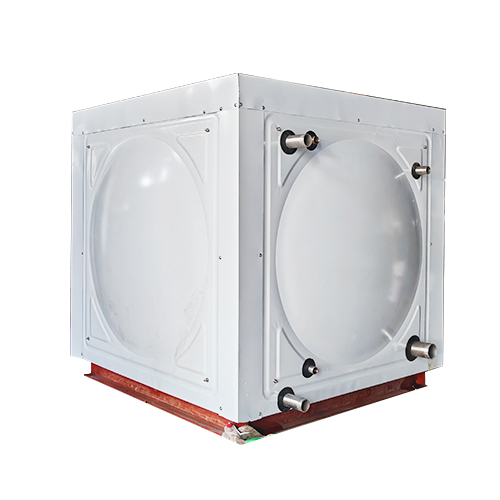
A storage water tank is a container designed to store water for later use, ensuring continuous and reliable water supply during peak demand, emergencies, or system interruptions. Storage water tanks are widely used in industrial plants, commercial buildings, fire protection systems, and municipal infrastructure.
The tank works by collecting water from a main supply or treatment system and releasing it when needed. Depending on the application, storage water tanks can support gravity-fed systems, booster pumps, or integrated water distribution networks.
Compared with pressure tanks, storage water tanks focus on volume and reserve capacity, making them ideal for large-scale and long-term water storage.
Key Applications of Water Storage Systems Across Industries
Well-designed water storage solutions support a wide range of industries and operating environments.
Industrial Water Supply
Manufacturing plants depend on stable water reserves to support production processes, cooling systems, and equipment operation without interruption.
Fire Protection Systems
Dedicated fire water reserves are essential for emergency response and regulatory compliance, especially in industrial parks and large commercial facilities.
Commercial Buildings
Hotels, hospitals, shopping centers, and office complexes rely on stored water to manage peak consumption and maintain pressure stability.
Municipal and Emergency Use
Public infrastructure projects and emergency systems use large-capacity reservoirs to support community supply and disaster preparedness.
Types of Water Storage Systems by Installation Method
Different projects require different installation approaches based on space, capacity, and site conditions.
Above-Ground Systems
Easy to install and inspect, commonly used in industrial and utility applications.
Underground Systems
Ideal for locations with limited surface space or architectural constraints.
Modular and Sectional Designs
Engineered for flexible expansion, transport efficiency, and large-scale projects.
Vertical and Horizontal Configurations
Vertical designs save footprint, while horizontal layouts offer structural advantages in specific environments.
Tank Materials: Pros, Cons & Best Use Cases
Material selection directly affects durability, hygiene, and long-term operating cost.
| Material Type | Main Advantages | Typical Applications |
|---|---|---|
| Stainless Steel | Corrosion-resistant, hygienic, long service life | Drinking water, hospitals, food processing |
| Galvanized Steel | High strength, cost-effective | Industrial water reserves |
| GRP / FRP | Lightweight, corrosion-resistant | Commercial and municipal projects |
| Plastic / HDPE | Easy installation, economical | Small to mid-scale storage |
Our engineering team helps clients select the most suitable option based on water quality, environment, and project budget.
How to Choose the Right Storage Water Tank for Your Project
Selecting the correct storage water tank ensures efficiency and long-term reliability.
Capacity Calculation
Tank capacity depends on daily water consumption, peak demand, and emergency reserve requirements.
Material Compatibility
Potable water applications require food-grade and certified materials, while industrial use may prioritize strength and cost.
Site and Environmental Conditions
Temperature, humidity, seismic requirements, and available space all influence tank design.
Standards and Compliance
Compliance with ISO, NSF, WRAS, or local regulations is essential for project approval and safe operation.
Capacity Options and Custom Design Capabilities
We offer a wide range of standard capacities, typically starting from 1,000 liters and extending beyond 100,000 liters.
For complex or large-scale projects, custom-engineered solutions are available, including:
- Optimized volume design
- Structural reinforcement
- Modular configurations
- Integration with existing water supply systems
Our technical team works closely with clients to ensure each solution meets exact project requirements.
Manufacturing Process and Quality Control
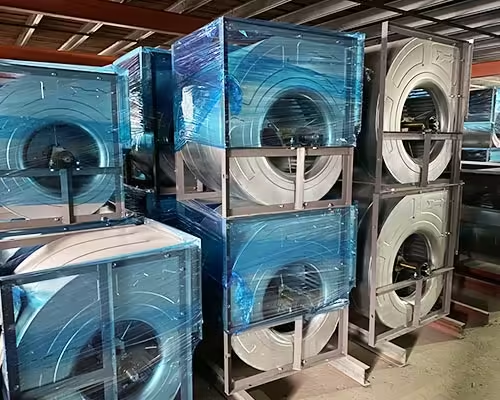
As a factory-direct supplier, quality control is embedded at every production stage.
- Raw material inspection
- Precision fabrication and welding
- Structural strength and leak testing
- Surface treatment and corrosion protection
- Final inspection and documentation
Each unit is produced under strict internal procedures to ensure long-term reliability and consistent performance.
Installation, Maintenance, and Service Life
Correct installation and routine maintenance significantly extend service life.
Installation Support
Technical drawings and guidance are provided to ensure smooth on-site installation and system integration.
Maintenance Practices
Regular inspection, internal cleaning, and component checks help maintain water quality and operational efficiency.
Expected Lifespan
With proper maintenance, a well-designed system can operate reliably for 20 to 30 years or more, depending on material and environment.
Cost Factors and Pricing Considerations
Project pricing depends on several key factors:
- Required capacity
- Material selection
- Level of customization
- Certification requirements
- Installation conditions
Purchasing directly from the manufacturer eliminates unnecessary intermediaries, offering better cost control, faster communication, and greater flexibility in customization.
Why Work Directly with Our Manufacturing Team
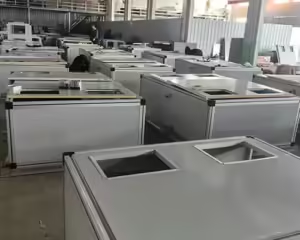
We support clients not only with products, but with complete project solutions.
- Factory-direct pricing
- OEM and customized designs
- International project experience
- Stable production capacity and lead time
- Technical and after-sales support
Our goal is to help clients implement reliable and cost-efficient water storage systems with confidence.
Water Storage Solutions Available for Sale – Request a Quote
We supply a full range of engineered water storage equipment for industrial, commercial, and municipal applications. Whether your project requires a standard configuration or a fully customized design, our team is ready to assist from initial consultation to final delivery.
Contact us today to receive a fast and accurate quotation directly from the manufacturer.
Conclusion
Selecting the right water storage solution is essential for maintaining a safe, stable, and efficient water supply. With professional design, strict manufacturing control, and flexible customization, a properly engineered system can support your project for decades.
As an experienced manufacturer, we provide reliable solutions tailored to real-world operating conditions. If you are planning a new project or upgrading an existing system, our team is ready to help you design and deliver a dependable water storage solution with competitive factory-direct pricing.
FAQ
What is a storage water tank used for?
A storage water tank is used to hold water for later use, ensuring a stable supply during peak demand, system maintenance, or emergency situations. It is commonly applied in industrial facilities, commercial buildings, fire protection systems, and municipal projects.
How do I choose the right size for my water storage system?
The right size depends on daily water consumption, peak usage, emergency reserve requirements, and system design. A professional manufacturer can help calculate the appropriate capacity based on your specific project conditions.
Which material is best for potable water applications?
For drinking water, stainless steel and other food-grade materials are recommended due to their corrosion resistance, hygiene, and compliance with international safety standards.
How long does a water storage system typically last?
With proper installation and routine maintenance, a well-designed system can operate reliably for 20 to 30 years or more, depending on material choice and environmental conditions.
Can water storage solutions be customized for industrial projects?
Yes. Manufacturers can provide customized designs based on capacity requirements, installation space, material selection, and local standards to ensure the system fits your project perfectly.
Need Help Choosing the Right Water Storage Solution?
If you’re unsure which water storage system is best for your project, our experienced team is here to help. As a professional manufacturer, we provide expert guidance, custom design support, and factory-direct solutions tailored to your specific requirements. Contact us today for a personalized consultation and competitive quotation—and ensure your water supply system is reliable, efficient, and built to last. Don’t delay—get in touch now and move your project forward with confidence!