
Table of Contents
As a manufacturer of stainless steel centrifugal fans, we understand the importance of reliable ventilation solutions in industrial environments. Whether you are designing a food processing line, upgrading HVAC systems, or handling corrosive gases in a chemical plant, selecting the right fan can directly impact performance, safety, and operational costs. In this guide, we will walk you through the fundamentals of stainless steel centrifugal fans, how they compare to other materials, key applications, and practical tips for choosing, installing, and maintaining the right model for your needs.
What Is a Stainless Steel Centrifugal Fan?
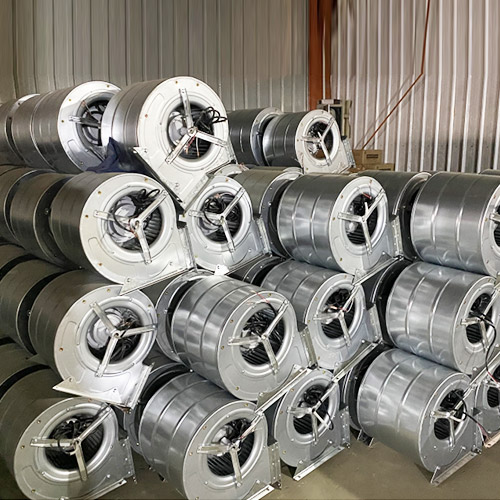
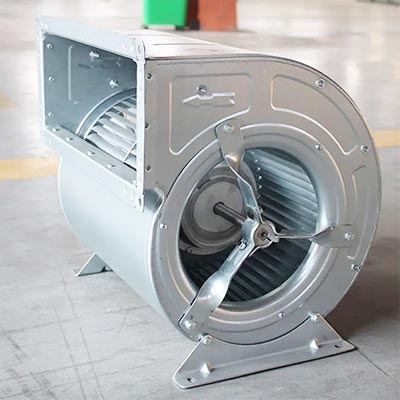
A stainless steel centrifugal fan is a type of mechanical ventilation device designed to move air or gas using a rotating impeller. Unlike axial fans, which push air in a straight line, centrifugal fans accelerate air outward from the center of the impeller and discharge it at a 90-degree angle through a spiral housing. This design generates higher static pressure and makes centrifugal fans ideal for ducted systems, exhaust applications, and environments requiring strong airflow control.
Key components
A typical stainless steel centrifugal fan includes:
- Impeller (blade wheel): Responsible for moving air and generating pressure.
- Housing (scroll casing): Directs airflow efficiently toward the outlet.
- Motor: Provides the driving force, often coupled with a gearbox or direct drive.
- Inlet and outlet: The inlet pulls air in, and the outlet delivers it into ducts or ventilation systems.
- Mounting frame and supports: Ensures stable operation and reduces vibration.
Why stainless steel is used
Stainless steel centrifugal fans are favored for their corrosion resistance, cleanability, and durability. In industries such as food processing, pharmaceuticals, and chemical manufacturing, exposure to moisture, acids, and high humidity is common. Stainless steel—especially grades like 304 and 316—provides the protection needed to prevent rust, maintain hygiene, and extend service life.
Stainless Steel vs Other Materials: Why Choose Stainless Steel Fans
When choosing a fan for industrial use, material selection is a critical decision. Stainless steel centrifugal fans offer several advantages over other common materials.
304 vs 316 stainless steel centrifugal fans
- 304 stainless steel: Widely used in food and general industrial environments. It provides good corrosion resistance and is cost-effective.
- 316 stainless steel: Offers higher resistance to corrosive chemicals and saltwater. It is ideal for harsh environments, chemical plants, and coastal facilities.
Comparison with aluminum, carbon steel, and plastic fans
- Aluminum fans are lightweight and economical but are less resistant to acidic environments and high temperature.
- Carbon steel fans are strong and durable but prone to rust without proper coating.
- Plastic fans are resistant to many chemicals but can be vulnerable to heat, wear, and mechanical stress.
In contrast, stainless steel centrifugal fans provide a balanced combination of strength, hygiene, and long-term reliability.
Common Applications of Stainless Steel Centrifugal Fans
Stainless steel centrifugal fans are widely used across multiple industries due to their versatility and robustness. Here are some of the most common applications:
Food processing and kitchen exhaust
In food factories and commercial kitchens, stainless steel fans help maintain clean air by removing heat, smoke, grease, and steam. Their hygienic surface makes them easier to clean and sanitize, meeting food safety requirements.
Chemical and pharmaceutical plants
Chemical plants often require ventilation systems that can handle corrosive gases. Stainless steel centrifugal fans are ideal for this, providing long-term corrosion resistance and stable performance under harsh conditions. In pharmaceutical facilities, fans must meet strict hygiene standards, making stainless steel the preferred material.
Cleanrooms and HVAC systems
Cleanrooms require controlled airflow and minimal contamination. Stainless steel centrifugal fans can be designed with smooth surfaces and sealed housings to meet cleanroom ventilation standards. They are also commonly used in HVAC systems for industrial buildings.
Marine and offshore ventilation
Saltwater and humid environments accelerate corrosion. Stainless steel centrifugal fans, especially 316-grade models, are suitable for marine vessels, offshore platforms, and coastal facilities.
High temperature and corrosive gas environments
In many industrial processes, exhaust air may contain heat, steam, or corrosive components. Stainless steel centrifugal fans are capable of handling such conditions, ensuring consistent performance and long service life.
Key Features to Look for in a Stainless Steel Centrifugal Fan
Choosing the right fan involves more than just selecting a material. Here are the key features that influence performance and reliability.
High pressure and high efficiency impeller design
Impeller design directly affects airflow efficiency and static pressure. Backward curved impellers, for example, are known for high efficiency and stable performance under varying load conditions.
Backward curved vs forward curved blades
- Backward curved blades: Better energy efficiency and lower noise. Suitable for high-pressure systems.
- Forward curved blades: Higher airflow at lower pressure, often used in low-resistance duct systems.
Seamless stainless steel housing & welded structure
A high-quality stainless steel centrifugal fan should have a seamless housing and welded structure to prevent leakage and ensure strength. This is especially important in high-pressure or corrosive environments.
Low noise and vibration control
Noise and vibration can reduce equipment lifespan and increase maintenance costs. Look for fans with balanced impellers, vibration-dampening mounts, and optimized blade profiles.
Energy-saving motor and variable frequency drive (VFD)
Modern centrifugal fans often pair with energy-efficient motors and VFDs to adjust airflow based on demand. This reduces energy consumption and allows precise control of ventilation systems.
How to Choose the Right Stainless Steel Centrifugal Fan
Choosing the correct fan requires understanding the specific requirements of your application. Here are the key considerations:
Calculating required airflow (CFM) and static pressure
To select the right fan, you must determine the required airflow (measured in CFM or m³/h) and the static pressure needed to overcome duct resistance. Proper calculation ensures the fan delivers the right performance without overloading the motor.
Selecting the correct fan size and blade type
Fan size affects airflow capacity. Blade type determines efficiency and noise. For industrial applications, a correctly sized fan with the right blade design ensures stable operation and longer lifespan.
Matching motor power and efficiency
Motor selection should match the fan’s performance requirements. An undersized motor can overheat and fail, while an oversized motor wastes energy.
Choosing the right protective coating and sealing
Even stainless steel fans may require protective coatings or special seals in extremely corrosive environments. Proper sealing prevents air leakage and maintains performance.
Choosing between centrifugal fan and blower
A centrifugal fan is suitable for ducted systems and high-pressure applications, while blowers are better for localized ventilation. The choice depends on airflow path and required pressure.
Installation and Maintenance Tips for Long-Lasting Performance
Proper installation and maintenance are essential to maximize fan performance and service life.
Proper installation for balanced airflow
Install the fan on a stable base and ensure proper alignment with ducts. Incorrect installation can cause imbalance, vibration, and premature wear.
Regular cleaning and sanitizing methods
For food, pharmaceutical, and cleanroom applications, regular cleaning is necessary. Stainless steel surfaces can be cleaned with mild detergents and disinfectants, ensuring hygiene without damaging the material.
Preventing corrosion and rust
Even in stainless steel systems, corrosion can occur if the environment is extremely aggressive. Regular inspection and timely maintenance help prevent rust and extend service life.
Lubrication, bearing check, and vibration inspection
Bearings and motor components require regular lubrication. Check for abnormal vibration or noise, which may indicate imbalance or wear.
Troubleshooting common issues (noise, overheating, imbalance)
Common issues include:
- Noise: Often caused by imbalance or worn bearings.
- Overheating: Usually due to overloading or insufficient airflow.
- Imbalance: Caused by dirt buildup or damage to impeller blades.
Why Our Stainless Steel Centrifugal Fans Stand Out
As a factory-direct manufacturer, we deliver stable quality and consistent performance through strict production control and rigorous testing.
Factory-direct manufacturing advantages
Direct manufacturing means we can control every step of production, from material selection to final inspection. This ensures stable quality and consistent delivery.
Stable production capacity and quality control
Our modern production base and standardized processes allow us to meet large-scale orders while maintaining product consistency.
Customizable solutions (size, voltage, blade type, motor)
We offer customized centrifugal fans based on customer requirements, including:
- Custom sizes and configurations
- Different motor types and voltages
- Special blade designs (backward/forward curved)
- Special sealing and coating options
Export experience and global certifications
We have experience exporting to global markets and meeting various industry standards. This allows us to provide reliable ventilation solutions for international projects.
After-sales support and warranty
We offer full after-sales support, including technical consultation, maintenance guidance, and warranty services.
How Stainless Steel Centrifugal Fans Improve Industrial Safety and Efficiency
Stainless steel centrifugal fans contribute to both operational efficiency and industrial safety in multiple ways:
Hygienic design for food and pharmaceutical environments
Smooth stainless steel surfaces reduce bacterial growth and make cleaning easier, ensuring compliance with hygiene standards.
Reduced maintenance downtime
Durable stainless steel construction reduces wear and corrosion, lowering maintenance frequency and downtime.
Energy-saving operation with VFD
Variable frequency drives allow precise control of airflow, improving energy efficiency and reducing operational costs.
Improved air quality and ventilation performance
High-pressure centrifugal fans ensure stable airflow, which is essential for removing contaminants and maintaining a safe working environment.
Compliance with industrial ventilation standards
Using the right stainless steel centrifugal fan helps ensure compliance with safety and ventilation regulations in various industries.
Performance Comparison Table
| Feature | Stainless Steel Centrifugal Fan | Aluminum Fan | Carbon Steel Fan | Plastic Fan |
|---|---|---|---|---|
| Corrosion Resistance | Excellent | Moderate | Poor without coating | Good for some chemicals |
| Temperature Resistance | High | Moderate | High | Low |
| Hygiene & Cleanability | Excellent | Moderate | Poor | Moderate |
| Durability | High | Moderate | High (but rust risk) | Low |
| Suitable for Food Industry | Yes | Limited | No | Limited |
Conclusion
Stainless steel centrifugal fans provide a reliable and durable solution for industrial ventilation, especially in environments that demand corrosion resistance, hygiene, and long-term stability. As a manufacturer, our focus is on delivering high-quality, customizable fans that meet the unique needs of food processing, chemical plants, HVAC systems, and cleanroom applications. By choosing the right stainless steel centrifugal fan and maintaining it properly, you can achieve better efficiency, improved air quality, and reduced downtime.
If you need a custom solution or want to learn more about our stainless steel centrifugal fans, feel free to contact us for a quote or technical consultation.
FAQ
Q1: What are stainless steel centrifugal fans used for?
A: Stainless steel centrifugal fans are used in industrial ventilation, especially in food processing, chemical plants, cleanrooms, and kitchen exhaust systems where corrosion resistance and hygiene are essential.
Q2: What is the difference between 304 and 316 stainless steel centrifugal fans?
A: 304 stainless steel is suitable for general industrial environments, while 316 stainless steel offers higher corrosion resistance and is ideal for harsh chemical or marine applications.
Q3: How do I choose the right stainless steel centrifugal fan?
A: Choose based on required airflow (CFM), static pressure, temperature, and the type of gas or environment. Consider blade design, motor power, and whether you need a custom or high-pressure model.
Q4: Are stainless steel centrifugal fans suitable for food industry applications?
A: Yes, stainless steel centrifugal fans are widely used in food processing and kitchen exhaust because they are easy to clean, hygienic, and resistant to moisture and corrosion.
Q5: How often should stainless steel centrifugal fans be maintained?
A: Maintenance frequency depends on the operating environment, but regular cleaning, bearing checks, and vibration inspections are recommended at least every 3–6 months to ensure stable performance.