
Welcome to My Blog!
Before we dive into the content, if you’re interested in our products or have any questions, please feel free to visit our Contact Us page on the website. Our team is ready to assist you with inquiries, orders, or any support you may need.
Now, let’s get started on our journey together. I hope you find the content here insightful, engaging, and valuable.
Table of Contents
What is a Silent Centrifugal Fan?
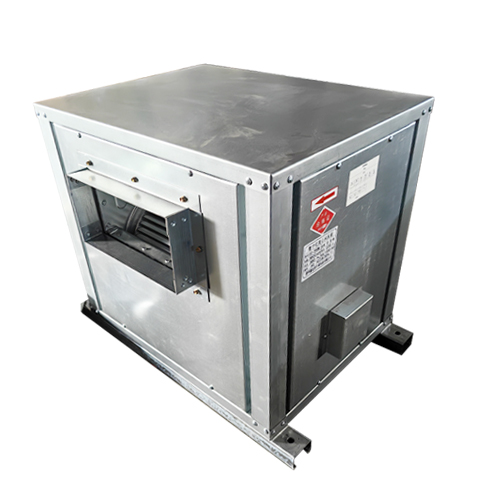
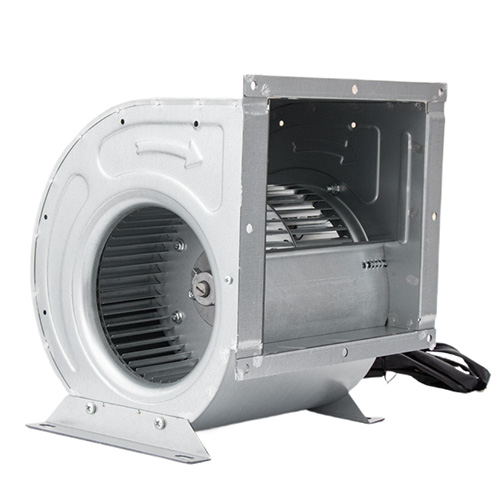
A silent centrifugal fan is a type of mechanical device designed to move air efficiently while minimizing noise. Unlike axial fans, which push air straight through, centrifugal fans use a rotating impeller to draw air in and then expel it at a 90-degree angle. This design allows for higher pressure and better control over airflow.
Silent fans are particularly important in environments where noise reduction is critical, such as offices, laboratories, hospitals, and residential spaces. They offer a quieter alternative without compromising on performance, making them ideal for modern applications that require both efficiency and comfort.
Key Features of Silent Centrifugal Fans
Noise Levels and Decibel Ratings
One of the most important features of a silent centrifugal fan is its noise level. High-quality models typically operate between 25–50 decibels, which is quieter than normal conversation. When selecting a fan, check the manufacturer’s specifications for decibel ratings at various speeds to ensure it meets your noise requirements.
Airflow Capacity and Pressure
Centrifugal fans are designed to provide strong, consistent airflow. Measured in cubic feet per minute (CFM), the airflow capacity determines how efficiently a fan can circulate air in a given space. Additionally, static pressure ratings indicate the fan’s ability to overcome resistance in ducts or filters, ensuring optimal ventilation even in complex installations.
Energy Efficiency and Power Consumption
Silent centrifugal fans often feature energy-efficient motors, helping to reduce electricity costs while maintaining optimal performance. Look for fans with high energy efficiency ratings or those that comply with energy-saving standards. Investing in an energy-efficient fan not only saves money but also supports sustainable practices.
Material and Build Quality
The durability of a centrifugal fan depends on the materials used in its construction. High-quality fans often feature corrosion-resistant metals or reinforced plastics that withstand long-term use in various environments. Check for robust housing, high-quality bearings, and well-balanced impellers to ensure long-term reliability.
Maintenance and Durability
A good silent centrifugal fan should be easy to maintain. Features like removable filters, accessible motor compartments, and straightforward assembly make cleaning and upkeep simple. Regular maintenance helps prolong the fan’s lifespan and maintain its low-noise operation.
Common Applications of Silent Centrifugal Fans
Silent centrifugal fans are highly versatile and can be used in multiple scenarios:
- Office and Residential Use: Provides quiet air circulation without disturbing work or relaxation.
- Industrial and Laboratory Applications: Supports ventilation systems in cleanrooms, labs, and manufacturing facilities.
- Hospitals and Healthcare Facilities: Maintains air quality while minimizing noise in patient areas.
- Kitchens and Commercial Spaces: Ensures proper ventilation in restaurants or commercial kitchens without excessive noise.
Installation Guidelines
Proper installation ensures that a silent centrifugal fan performs efficiently and quietly.
- Step-by-Step Installation Process: Follow the manufacturer’s instructions carefully, ensuring the fan is securely mounted and aligned with ducts or vents.
- Electrical Connections and Safety Precautions: Ensure the fan is connected to a proper power supply and follow all safety standards to prevent hazards.
- Tips for Proper Ventilation and Placement: Avoid placing the fan near obstacles that block airflow, and use vibration-dampening mounts to further reduce noise.
Maintenance and Troubleshooting
Maintaining a silent centrifugal fan is essential for long-term performance:
- Cleaning and Filter Replacement: Regularly clean filters and fan components to prevent dust buildup, which can reduce airflow and increase noise.
- Common Problems and How to Solve Them: Issues like motor overheating, unusual vibrations, or reduced airflow can often be fixed by tightening mounts, lubricating bearings, or cleaning the impeller.
- Extending Lifespan: Routine inspections, proper lubrication, and timely replacement of worn parts ensure your fan remains efficient and silent.
Top Brands and Models
When selecting a silent centrifugal fan, consider brand reputation and model specifications:
- Leading Manufacturers: Look for companies with a strong track record in ventilation technology.
- Popular Models: Some models are tailored for residential use, while others suit industrial or healthcare environments.
- Comparing Features, Noise Levels, and Price: Compare decibel ratings, airflow capacity, energy efficiency, and warranty terms to choose the best option for your needs.
Buying Guide and Considerations
Before purchasing a silent centrifugal fan, keep these factors in mind:
- Size and Capacity: Ensure the fan can handle the volume of air required for your space.
- Budget vs Performance: Balance price with performance features such as noise level, energy efficiency, and durability.
- Reliable Suppliers: Purchase from trusted distributors or manufacturers to ensure quality and after-sales support.
Latest Innovations and Technology
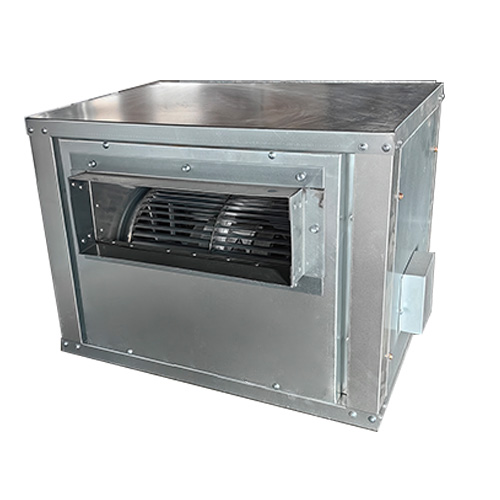
Modern silent centrifugal fans incorporate advanced technologies to enhance performance:
- Noise Reduction Technologies: Innovations in impeller design, vibration damping, and acoustic insulation reduce operational noise.
- Smart Controls and Automation: Some models feature speed control, remote operation, or integration with building management systems.
- Eco-Friendly Designs: Energy-efficient motors, sustainable materials, and low power consumption contribute to environmentally conscious solutions.
Conclusion
Silent centrifugal fans offer a perfect balance between performance and quiet operation. By understanding key features such as noise levels, airflow capacity, energy efficiency, and maintenance requirements, you can select the ideal fan for any application. Always compare models, consider trusted brands, and choose a fan that meets both your operational and environmental needs. With the right silent centrifugal fan, you can enjoy efficient ventilation without disturbing your work or living space.
FAQ
What is a silent centrifugal fan?
A silent centrifugal fan is a type of fan that moves air efficiently using a rotating impeller while minimizing noise, making it ideal for offices, homes, and industrial spaces.
How quiet is a silent centrifugal fan?
Most silent centrifugal fans operate between 25–50 decibels, which is quieter than normal conversation and suitable for noise-sensitive environments.
Where can I use a silent centrifugal fan?
They can be used in offices, residential areas, hospitals, laboratories, kitchens, and industrial spaces where efficient and quiet ventilation is needed.
How do I maintain a silent centrifugal fan?
Regularly clean the filters and impeller, inspect for loose components, and lubricate bearings as needed to ensure long-term efficiency and low-noise operation.
What should I consider when buying a silent centrifugal fan?
Check noise levels, airflow capacity (CFM), energy efficiency, durability, and manufacturer reliability to choose a fan that fits your specific space and application.
Need Help Choosing the Right Silent Centrifugal Fan?
If you’re unsure which silent centrifugal fan is best for your space or application, our experts are here to guide you. Contact us today for a personalized consultation, and ensure your ventilation system is efficient, quiet, and reliable. Don’t wait until noise or poor airflow becomes a problem—get in touch now to optimize your environment and comfort!