
Table of Contents
Industrial ventilation systems rely on stable airflow, sufficient pressure, and long-term reliability to support safe production environments. For large-scale facilities, selecting the right industrial fan solution is essential to ensure continuous operation and cost-effective performance. As a manufacturer, we work closely with engineering teams and project owners to deliver ventilation equipment designed for demanding industrial conditions.
This article explains how industrial centrifugal ventilation solutions work, where they are commonly used, and what factors should be considered when selecting the right option for your project.
What Is a Large Centrifugal Fan?
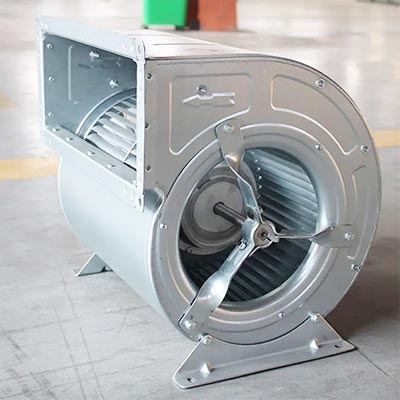
A large centrifugal fan is an industrial air-moving device designed to transport high volumes of air or gas by converting mechanical energy into airflow and pressure. Compared with standard fans, these units are built for higher capacity, stronger pressure resistance, and continuous operation.
They are widely used in power generation, heavy manufacturing, cement production, and large HVAC systems, where airflow stability and durability are critical.
How Large Centrifugal Fans Work in Industrial Ventilation Systems
Air enters the fan through the inlet and is accelerated outward by a rotating impeller. The centrifugal force increases air velocity and pressure before directing it into the duct system. This operating principle allows centrifugal fan systems to handle long duct runs and high resistance conditions.
Impeller design, casing geometry, and motor selection all play a key role in achieving consistent airflow performance under industrial operating loads.
Key Advantages of Large Centrifugal Fans for Heavy-Duty Applications
Industrial centrifugal ventilation solutions are preferred in heavy-duty environments due to several advantages:
- Capability to deliver high airflow under elevated pressure
- Stable operation in dusty or high-temperature conditions
- Flexible configuration for complex duct systems
- Strong structural design for long service life
- Compatibility with customized industrial requirements
These characteristics make them suitable for facilities where operational reliability directly affects productivity.
Common Industrial Applications of Large Centrifugal Fans
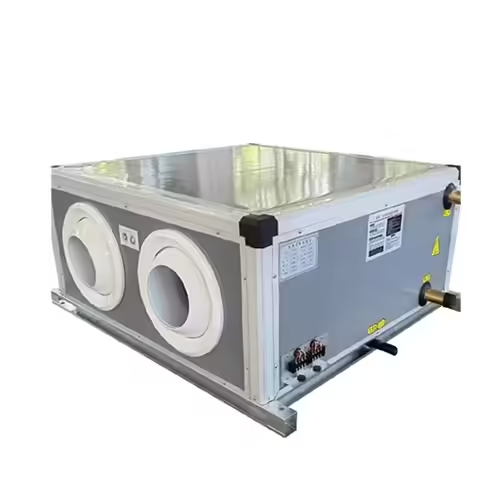
Centrifugal ventilation systems are widely applied across industries, including:
- Power plants and energy facilities
- Steel mills and metal processing lines
- Cement plants and mining operations
- Chemical and petrochemical industries
- Industrial exhaust and large-scale HVAC systems
Each application presents different airflow, pressure, and environmental challenges, making proper selection essential.
Large Centrifugal Fan vs Axial Fan: Which Is Right for Your Project?
Different industrial systems require different airflow solutions. The table below highlights the main differences between centrifugal and axial designs:
| Feature | Centrifugal Fan | Axial Fan |
|---|---|---|
| Airflow Direction | Radial | Linear |
| Pressure Capability | High | Low to Medium |
| System Resistance Handling | Excellent | Limited |
| Installation Flexibility | High | Moderate |
| Typical Applications | Industrial exhaust, dust control | General ventilation |
For projects involving high resistance, long ducting, or particulate-laden air, centrifugal designs are often the more suitable choice.
Key Specifications to Consider When Selecting an Industrial Fan
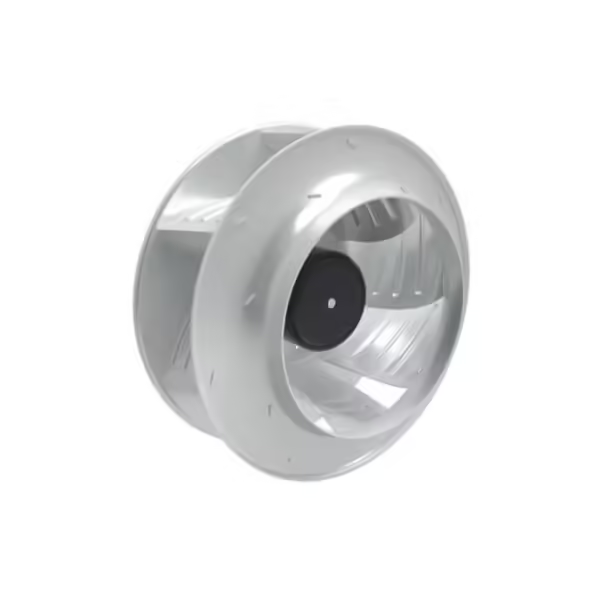
Before selecting a ventilation system, several technical factors should be evaluated:
- Required airflow volume and system pressure
- Motor power and drive configuration
- Material selection for corrosion or heat resistance
- Noise and vibration control requirements
- Operating environment and temperature range
Manufacturer involvement during the design stage helps ensure that all parameters are correctly matched to the application.
Custom Industrial Fan Solutions from a Manufacturer
Many industrial projects require customized airflow solutions rather than standard products. Manufacturer-direct customization allows adjustments to impeller design, casing structure, motor selection, surface treatment, and mounting configuration.
Custom solutions help improve system efficiency, simplify installation, and extend equipment lifespan, particularly in complex or high-demand environments.
Manufacturing Process and Quality Control
Reliable industrial ventilation equipment depends on precise manufacturing and strict quality control. Processes such as dynamic balancing, dimensional inspection, and performance testing ensure stable operation at high speeds.
Compliance with international standards and thorough inspection procedures help reduce vibration, noise, and long-term maintenance risks.
Energy Efficiency and Operating Cost Considerations
Energy efficiency plays a significant role in total operating cost. Proper fan selection helps minimize unnecessary power consumption while maintaining required airflow.
Optimized impeller geometry, appropriate motor sizing, and correct operating speed contribute to reduced energy usage and improved long-term performance.
Installation, Operation, and Maintenance Best Practices
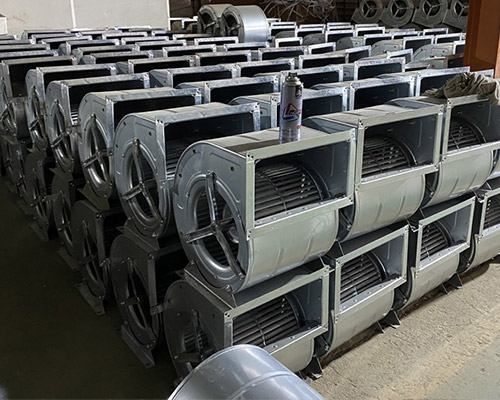
Correct installation ensures optimal airflow and minimizes mechanical stress. Secure mounting, proper alignment, and balanced duct connections are essential during commissioning.
Routine maintenance, including bearing inspection and performance monitoring, helps maintain efficiency and prevents unplanned downtime throughout the equipment’s service life.
Why Choose a Manufacturer-Direct Industrial Fan Supplier
Working directly with a manufacturer offers clear advantages:
- Technical support from design through commissioning
- Factory-direct cost efficiency
- Faster response for customization and production
- Reliable after-sales service and spare parts supply
A manufacturer-focused approach ensures the ventilation system is engineered specifically for your operational needs.
Conclusion
Selecting the right large centrifugal fan solution is critical for achieving stable airflow, energy efficiency, and long-term reliability in industrial environments. By carefully evaluating system requirements and working directly with a manufacturer, businesses can reduce risk and improve overall system performance.
As a manufacturer, we provide customized centrifugal ventilation solutions designed for demanding industrial applications. From engineering support to final delivery, our focus is on delivering durable, efficient, and application-specific equipment that supports your project’s success.
FAQ
What is a large centrifugal fan used for?
A large centrifugal fan is used to move high volumes of air in industrial systems that require strong pressure, such as ventilation, exhaust, and dust control applications.
How do I choose the right large centrifugal fan for my project?
You should consider airflow requirements, system pressure, operating environment, and installation conditions. Working directly with a manufacturer helps ensure the fan matches your specific needs.
What is the difference between a centrifugal fan and an axial fan?
Centrifugal fans are better suited for high-pressure systems and long duct runs, while axial fans are typically used for large airflow with lower resistance.
Can large centrifugal fans be customized for industrial applications?
Yes. Manufacturers can customize design parameters such as size, impeller type, materials, and motor configuration to suit different industrial environments.
How long does a large centrifugal fan typically last?
With proper installation and regular maintenance, industrial centrifugal fans can operate reliably for many years, even in demanding conditions.
Need Help Choosing the Right Large Centrifugal Fan?
If you’re unsure which centrifugal ventilation solution is best for your industrial facility or system, our experts are here to help. Contact us today for a personalized consultation, and ensure your ventilation system delivers reliable performance, efficiency, and long-term durability. Don’t risk costly downtime—get in touch with us now to support your project with a manufacturer-direct solution.