
Table of Contents
Inline centrifugal fans are widely used in modern ventilation systems where stable airflow, high static pressure, and compact installation are required. Compared with other ventilation fan types, inline centrifugal fans offer superior performance in ducted systems, making them a preferred choice for HVAC, industrial, and commercial applications.
As a professional inline centrifugal fan manufacturer, this guide will help you understand how inline centrifugal fans work, their advantages, applications, and how to choose the right model for your project.
What Is an Inline Centrifugal Fan?
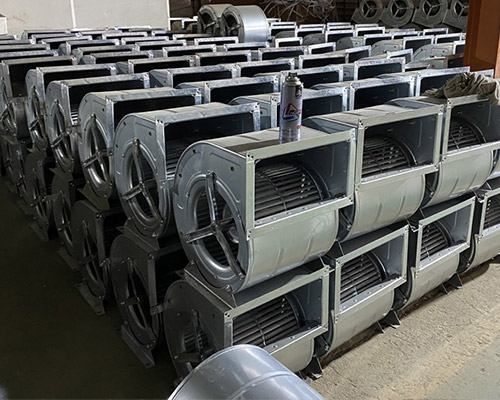
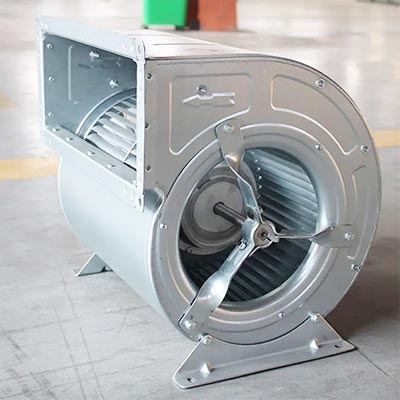
This type of fan is installed directly inside a duct system and uses centrifugal force to move air efficiently through complex airflow paths. Air enters the impeller axially and is discharged radially, allowing higher pressure generation compared to conventional axial designs.
Thanks to its compact inline structure, this fan configuration is ideal for systems with limited installation space while still requiring stable airflow over long duct runs.
Key Advantages in Ventilation Systems
Compared with other ventilation solutions, this fan design offers several practical benefits:
- Strong pressure capability suitable for long or complex duct systems
- Consistent airflow even when filters, bends, or resistance are present
- Space-saving installation inside ducts
- Optimized energy efficiency with modern motor options
- Reduced noise when properly installed
- Durable construction for continuous operation
These characteristics make it a reliable choice for professional ventilation projects.
Inline Centrifugal Fan vs Axial Fan: Which Is Better?
Different fan types serve different ventilation needs. The comparison below highlights when a centrifugal inline solution is more suitable than an axial alternative.
| Feature | Centrifugal Inline Design | Axial Design |
|---|---|---|
| Pressure Capability | High | Low |
| Performance in Ducts | Stable | Drops with resistance |
| Suitable Duct Length | Long and complex | Short and simple |
| Noise Control | Better in enclosed systems | Higher in ducts |
| Common Use | HVAC and industrial systems | Basic exhaust |
For systems where pressure and airflow stability matter, centrifugal inline solutions are generally the better option.
Common Applications
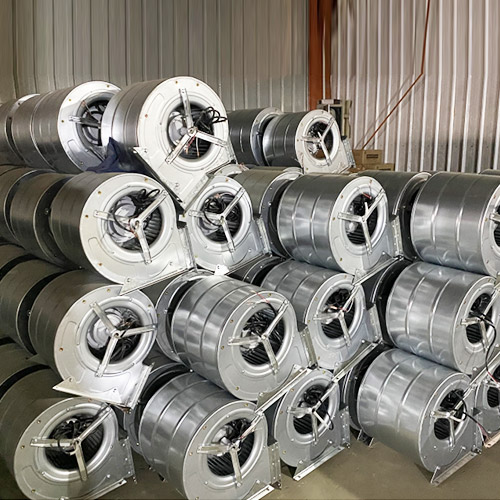
These fans are widely applied in various ventilation scenarios, including:
- Commercial and industrial HVAC systems
- Factory and workshop ventilation
- Clean rooms and laboratories
- Kitchen and bathroom exhaust systems
- Parking garages and underground facilities
- Equipment cooling and process ventilation
Their adaptability makes them suitable for both standard and demanding environments.
Technical Specifications to Consider
When evaluating ventilation equipment, several technical parameters are critical:
- Required airflow volume
- System pressure demand
- Motor type and efficiency level
- Power consumption
- Operating noise
- Performance curve data
Clear specification data helps engineers and buyers ensure the selected model matches real operating conditions.
How to Choose the Right Solution for Your System
Selecting the correct fan depends on the overall ventilation design rather than a single parameter. Key considerations include duct layout, airflow demand, environmental conditions, and energy efficiency requirements.
Working with an experienced manufacturer allows you to optimize performance while avoiding over-sizing or unnecessary energy consumption.
Installation and Maintenance Considerations
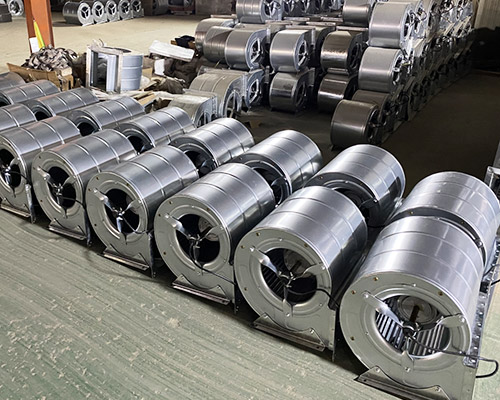
Correct installation is essential for reliable operation. The unit should be mounted in the correct airflow direction, with proper vibration isolation and secure electrical connections. Regular inspection and cleaning help maintain long-term efficiency and reduce downtime.
A well-maintained ventilation system delivers consistent performance throughout its service life.
Why Choose Us as Your Manufacturer
As a dedicated ventilation equipment manufacturer, we focus on:
- In-house production and strict quality control
- Efficient and reliable product design
- OEM and project-based customization
- Competitive factory-level pricing
- Compliance with international standards such as CE and ISO
- Experience supporting global HVAC and industrial projects
Our goal is to provide practical, long-lasting ventilation solutions rather than generic products.
OEM & Custom Solutions
For projects with specific requirements, we offer customized options such as airflow optimization, motor selection, material upgrades, and branding support. These solutions are ideal for large projects, distributors, and system integrators seeking consistent quality and reliable supply.
Quality Standards and Certifications
All products are manufactured under controlled quality systems and tested for performance and durability. Compliance with relevant international standards ensures safe operation and suitability for export markets.
Conclusion
Centrifugal inline ventilation fans play a key role in modern ducted air systems by delivering stable airflow and reliable pressure performance. Choosing the right solution requires understanding system requirements, installation conditions, and long-term operating needs.
As an experienced manufacturer, we provide efficient, durable, and customizable ventilation solutions for industrial and commercial projects worldwide. If you are planning a new ventilation system or upgrading an existing one, our team is ready to support your project with professional advice and factory-direct solutions.
Contact us today to discuss your requirements and receive a tailored ventilation solution.
FAQ
What is an inline centrifugal fan used for?
An inline centrifugal fan is used in ducted ventilation systems where stable airflow and higher pressure are required. It is commonly applied in HVAC systems, industrial ventilation, and commercial buildings with long or complex duct layouts.
How is an inline centrifugal fan different from an axial fan?
The main difference lies in pressure capability. Centrifugal inline designs perform better in systems with duct resistance, while axial fans are more suitable for short, low-resistance airflow paths.
How do I choose the right inline centrifugal fan for my system?
Selection depends on airflow requirements, static pressure, duct configuration, noise limits, and energy efficiency. Reviewing system design and performance data helps ensure proper fan sizing.
Are inline centrifugal fans suitable for industrial applications?
Yes. These fans are widely used in industrial environments due to their reliable performance, compact installation, and ability to handle continuous operation under demanding conditions.
Can inline centrifugal fans be customized for specific projects?
Many manufacturers offer OEM and custom solutions, including airflow adjustment, motor selection, material options, and project-based configurations to meet specific ventilation requirements.
Need Help Choosing the Right Inline Centrifugal Fan?
If you’re unsure which ventilation solution best fits your HVAC or industrial system, our experts are here to help. Contact us today for a personalized consultation and get professional recommendations based on your airflow, pressure, and installation requirements. Don’t risk performance issues or inefficient ventilation—get in touch now to ensure your system runs reliably and efficiently.