
Table of Contents
Introduction
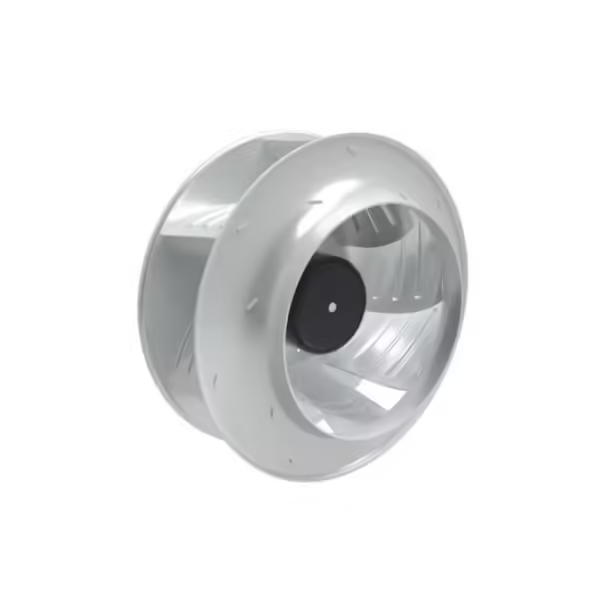
A high-temperature centrifugal fan is specifically engineered to withstand continuous exposure to elevated temperatures while maintaining stable airflow, reliable pressure output, and mechanical integrity. These fans are essential for industrial processes such as furnaces, ovens, metallurgy, power generation, chemical production, and heat recovery systems.
As a direct manufacturer, we design and produce high-temperature centrifugal fans that deliver long-term stability, safety, and performance in demanding industrial environments where ordinary fans cannot survive.
Understanding What “High-Temperature” Truly Means
High-temperature centrifugal fans operate far beyond the limits of standard ventilation equipment. Depending on design and materials, they can withstand:
- 200°C–300°C continuous airflow
- 300°C–600°C intermittent or semi-continuous operation
- 600°C+ with specialized heat-resistant alloys
The capability depends on the fan’s construction, material grade, insulation level, and motor configuration.
Key Engineering Principles Behind High-Temperature Fans
High-temperature fans are built with special engineering considerations that allow them to maintain stable performance under extreme heat:
1. Heat-Resistant Impeller Design
Impellers use high-temperature stainless steels or heat-treated alloy steels that prevent deformation, cracking, or metal fatigue under thermal stress.
2. Cooling System for Motor Protection
Options include:
- External motor with cooling duct
- Heat-insulated motor mount
- Air-cooled or water-cooled motor housing
This prevents the motor from overheating even when airflow is extremely hot.
3. High-Temperature Bearings and Lubricants
Special bearings and high-temp synthetic lubricants ensure long operating life without thermal degradation.
4. Reinforced Housing and Weld Structure
Thicker steel plates and reinforced welds withstand expansion and contraction cycles caused by heat.
5. Temperature-Resistant Coatings
Protect the fan surface from oxidation and hot gas corrosion.
Material Options for High-Temperature Centrifugal Fans
Different heat environments demand different materials. Below is a comparison:
| Material | Max Temperature | Strength Level | Typical Use |
|---|---|---|---|
| Carbon Steel (Heat Treated) | 350°C | Medium | Industrial ovens |
| 304 Stainless Steel | 550°C | High | Food & chemical heating systems |
| 316 Stainless Steel | 600°C | Very High | High-heat, corrosive environments |
| Inconel Alloy | 900°C+ | Extreme | Metallurgy, furnace exhaust |
| Heat-Resistant Alloy Steel | 700–900°C | Very High | Kilns, smelting operations |
Choosing the right material prevents deformation, oxidation, and thermal cracking.
Where High-Temperature Centrifugal Fans Are Used
This type of fan is essential in industries that generate or rely on extreme heat:
- Industrial Furnaces & Kilns
Handling exhaust and supplying combustion air. - Metal Smelting & Foundries
Withstanding intense heat during molten metal processes. - Chemical Processing Plants
Resistant to high-temperature chemical gases. - Thermal Oil Heating Systems
Ensuring stable air movement at elevated temperatures. - Ceramics & Glass Manufacturing
Managing continuous high-heat airflow. - Power Plants & Boilers
Supporting high-pressure, high-temperature combustion systems. - Incinerators & Heat Treatment Facilities
Withstanding corrosive hot gas streams.
Top Performance Advantages of a High-Temperature Centrifugal Fan
Choosing a high-temperature fan ensures:
- Stable airflow under extreme heat
- Longer operational lifespan compared to standard fans
- Improved production safety
- Reduced thermal deformation
- High resistance to oxidation and corrosion
- Lower maintenance and downtime
- Ability to withstand sudden heat spikes
These advantages make high-temperature fans a crucial component for heavy-duty industrial operations.
Key Factors to Consider When Selecting a High-Temperature Centrifugal Fan
To choose the correct industrial fan, evaluate:
- Required temperature tolerance (continuous vs. peak)
- Airflow volume and static pressure needs
- Gas composition (clean air? corrosive air? dust?)
- Operating cycle (intermittent or 24/7 operation)
- Material compatibility for heat and corrosion
- Motor placement (direct-drive or belt-drive outside hot zone)
- Insulation and cooling system requirements
- Installation constraints (horizontal or vertical orientation)
As a manufacturer, we provide custom engineering based on exact temperature and environmental needs.
Maintenance Tips for Ensuring Long-Term Stability
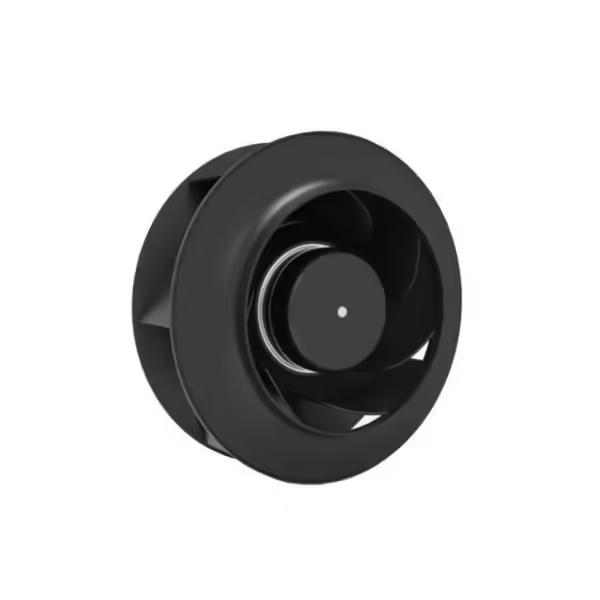
High-temperature fans require proper maintenance to ensure long-lasting performance:
- Inspect impellers for thermal cracks
- Check bearings frequently, especially under continuous heat
- Monitor vibration levels indicating thermal distortion
- Replace lubricants with high-temperature formulations
- Clean fan pathways to prevent heat buildup
- Inspect housing welds for thermal stress
- Verify cooling system functionality
Following these steps helps maximize equipment lifespan and safety.
Conclusion
A high-temperature centrifugal fan is essential for industries where extreme heat is part of daily operations. Designed with specialized materials, reinforced structures, and advanced cooling mechanisms, these fans ensure reliable airflow and long-term durability in environments that ordinary fans simply cannot handle.
As a professional manufacturer, we deliver high-temperature centrifugal fans tailored to your application—ensuring safe, efficient, and consistent performance across the most demanding industrial processes.
FAQ
1. What defines a high-temperature centrifugal fan?
A fan designed to maintain stable airflow while operating continuously in temperatures above 200°C.
2. Which materials are best for high-temperature fans?
304/316 stainless steel, heat-resistant carbon steel, and high-grade alloys like Inconel.
3. Can the motor handle high heat directly?
No. Motors must be thermally isolated or externally installed with cooling systems.
4. What industries need high-temperature fans?
Furnaces, metallurgy, chemicals, boilers, glass production, and incinerators.
5. Are high-temperature fans customizable?
Yes. Size, materials, impeller type, motor placement, and insulation can all be customized.