
Welcome to My Blog!
Before we dive into the content, if you’re interested in our products or have any questions, please feel free to visit our Contact Us page on the website. Our team is ready to assist you with inquiries, orders, or any support you may need.
Now, let’s get started on our journey together. I hope you find the content here insightful, engaging, and valuable.
Table of Contents
Indoor air quality has become a growing concern worldwide, particularly as more people spend time indoors. Whether you’re at home, in an office, or in a commercial building, the air you breathe directly impacts your health, comfort, and productivity. One solution that’s been gaining popularity is the fresh air unit, a system designed to bring in clean, outdoor air and improve the overall ventilation of a space. In this ultimate guide, we’ll explore everything you need to know about fresh air units, from their function to installation, maintenance, and benefits.
What is a Fresh Air Unit?
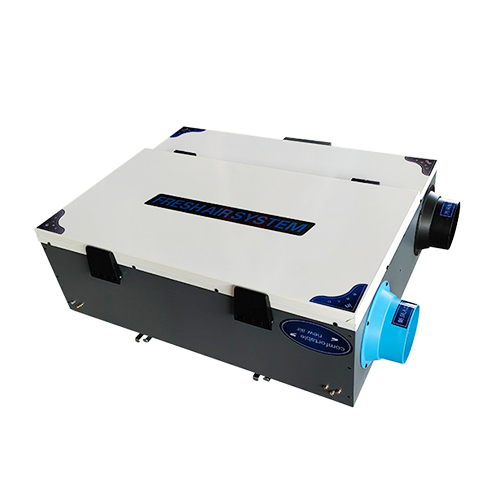
A fresh air unit is an air ventilation system that brings in clean, filtered outdoor air into a building or room. Unlike air conditioning, which recycles indoor air, a fresh air unit constantly circulates fresh outdoor air, helping to replace stale air and improve the indoor air quality.
Definition and Purpose of a Fresh Air Unit
Fresh air units are designed to enhance ventilation in spaces with poor air circulation. They typically work by drawing in air from the outdoors, filtering it, and then distributing it throughout the space. By doing so, they help eliminate pollutants, allergens, and moisture that can accumulate indoors.
How Fresh Air Units Improve Indoor Air Quality
Indoor air quality can be compromised by various factors such as cooking, cleaning products, and outdoor pollution that seeps into the space. A fresh air unit reduces the buildup of carbon dioxide, allergens, and pollutants, ensuring that the air inside is cleaner and healthier to breathe.
Key Benefits of Using a Fresh Air Unit
- Improved Health: Fresh air units help reduce allergens and pollutants, which can alleviate respiratory problems like asthma and allergies.
- Enhanced Comfort: By improving airflow and reducing stuffiness, they create a more comfortable environment.
- Energy Efficiency: Many fresh air units are designed to minimize energy use, offering an efficient way to improve air quality without significantly increasing utility bills.
How Does a Fresh Air Unit Work?
Understanding how a fresh air unit works can help you appreciate its importance and decide whether it’s right for your space.
Understanding the Functionality of Fresh Air Units
A fresh air unit works by constantly drawing in outdoor air through vents. This air is then filtered through specialized filters, which remove dust, pollen, and other pollutants. Afterward, it is distributed throughout the space, replacing stale indoor air. The process ensures that the air inside remains fresh and healthy.
Components of a Fresh Air Unit
- Intake Vents: These draw air from the outside.
- Filters: These clean the incoming air, removing dust, bacteria, and other contaminants.
- Blower Fan: This helps circulate the filtered air throughout the space.
- Exhaust Vents: These expel stale air to make room for fresh air.
Fresh Air Unit vs. Air Conditioning: What’s the Difference?
While both systems regulate indoor air, they serve different purposes. An air conditioning unit cools indoor air by recirculating it, whereas a fresh air unit brings in clean outdoor air, improving ventilation and overall air quality. Fresh air units don’t cool or heat the air; they focus on maintaining a constant supply of clean air.
Why You Should Install a Fresh Air Unit in Your Home or Office
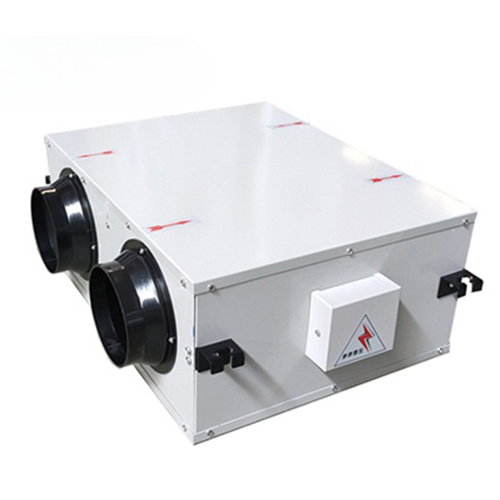
Fresh air units are particularly beneficial in spaces with poor ventilation, which is common in tightly sealed homes or offices. Here’s why you should consider installing one.
Top Reasons to Install a Fresh Air Unit
- Health Benefits: Reduces allergens and pollutants, improving overall air quality.
- Comfort: Helps eliminate stuffy air and humidity, especially in tightly sealed homes and offices.
- Energy Efficiency: By continuously circulating fresh air, it can reduce the need for air conditioning or excessive heating.
Improving Air Quality for Health and Comfort
Breathing clean air is essential for maintaining good health. A fresh air unit helps remove harmful particles like dust, pollen, and mold, which can trigger allergies, asthma, and other respiratory problems. In addition, it balances humidity levels, which is particularly important in areas prone to excess moisture, such as basements or kitchens.
Fresh Air Units for Homes vs. Offices: What’s the Difference?
While both homes and offices can benefit from fresh air units, the needs are slightly different. In a home, the primary goal is comfort and health. For offices, fresh air units can also enhance productivity by providing a healthy and comfortable working environment.
The Benefits of Fresh Air Units for Health
Installing a fresh air unit can significantly improve the air you breathe, leading to better health outcomes.
Fresh Air Units and Allergy Relief
One of the main reasons people install fresh air units is to alleviate symptoms of allergies. By filtering out allergens such as pollen and dust, a fresh air unit can provide relief to individuals suffering from seasonal or year-round allergies.
How Fresh Air Units Can Help with Asthma and Breathing Issues
Fresh air units can be an effective solution for individuals with asthma or other respiratory issues. These systems help maintain a steady flow of clean air, reducing the buildup of harmful pollutants that can aggravate breathing conditions.
Fresh Air Units for Better Sleep and Well-Being
Poor air quality can impact your ability to sleep and affect your overall well-being. A fresh air unit can help provide a better night’s rest by ensuring the air you breathe while you sleep is clean and free from pollutants.
Fresh Air Units and Energy Efficiency
Fresh air units are designed with energy efficiency in mind. Here’s how they help reduce energy consumption.
Are Fresh Air Units Energy-Efficient?
Many modern fresh air units come equipped with heat recovery systems, allowing them to transfer energy from the outgoing air to the incoming air. This minimizes the energy required to heat or cool the incoming air, making the system more energy-efficient.
How to Save on Energy Bills with a Fresh Air Unit
By using energy-efficient ventilation systems, a fresh air unit can reduce the need for heating and cooling. This, in turn, can help lower your energy bills while ensuring that the air you breathe is always fresh and clean.
Eco-Friendly Features of Modern Fresh Air Units
Fresh air units contribute to sustainability by improving energy efficiency and reducing reliance on traditional HVAC systems. Many units are designed with eco-friendly materials and features that help minimize environmental impact.
Choosing the Right Fresh Air Unit for Your Space
When selecting a fresh air unit, it’s essential to consider several factors to ensure it meets your needs.
What Size Fresh Air Unit Do You Need?
The size of the fresh air unit you need depends on the square footage of the area you want to ventilate. A professional can help calculate the airflow needed for your space to ensure the unit is properly sized.
Fresh Air Units for Different Room Sizes
For smaller rooms, a compact unit may suffice. However, larger spaces like offices or commercial buildings will require a more powerful system to ensure effective air circulation.
How to Select a Fresh Air Unit Based on Your Specific Needs
Consider the air quality in your area, the size of the space, and any specific requirements such as allergy relief or humidity control. These factors will guide your decision on the type of fresh air unit that’s best for your needs.
Fresh Air Units: Installation and Maintenance Tips
Proper installation and maintenance are key to maximizing the effectiveness of your fresh air unit.
How to Properly Install a Fresh Air Unit
Fresh air units should be installed by a professional to ensure they function efficiently. Proper placement, such as positioning intake and exhaust vents strategically, is crucial for optimal airflow.
Professional vs. DIY Installation: Which One is Right for You?
While some smaller units can be installed by homeowners, it’s recommended to have larger or more complex systems installed by professionals to ensure proper functionality.
Essential Maintenance Tips for Fresh Air Units
Regular maintenance includes cleaning or replacing filters, checking for leaks, and ensuring the blower fan is working properly. Periodic inspections will help prolong the life of the unit.
Troubleshooting Common Fresh Air Unit Problems
If you notice decreased airflow or poor air quality, check for issues like clogged filters, blocked vents, or malfunctioning fans. Regular maintenance can help prevent these problems.
Cost of Fresh Air Units

The cost of a fresh air unit can vary depending on the size, features, and brand.
How Much Does a Fresh Air Unit Cost?
Prices typically range from a few hundred dollars for smaller units to several thousand dollars for larger systems. Installation costs should also be considered.
Factors That Affect the Price of Fresh Air Units
Factors such as the unit’s size, energy efficiency features, and additional functions (like humidity control or smart controls) can influence the price.
How to Get the Best Deal on a Fresh Air Unit
To get the best value, compare prices from multiple suppliers, check for warranties, and consider energy-efficient models that will save you money in the long run.
FAQ
What is a fresh air unit?
A fresh air unit is an air ventilation system that brings in clean, filtered outdoor air into a building or space. It helps improve indoor air quality by replacing stale air with fresh air, making it ideal for homes, offices, and commercial spaces.
How does a fresh air unit work?
A fresh air unit works by drawing air from outside, filtering out dust and pollutants, and circulating the clean air inside. It operates continuously, providing a steady supply of fresh air to improve ventilation and overall air quality.
Can a fresh air unit reduce indoor allergens?
Yes, fresh air units can help reduce allergens such as dust, pollen, and pet dander by filtering the incoming air. This makes them a great choice for individuals with allergies or respiratory conditions.
How energy-efficient are fresh air units?
Many modern fresh air units are designed to be energy-efficient. Some feature heat recovery systems that recycle energy from the outgoing air to warm or cool incoming air, reducing the energy needed to maintain comfortable indoor temperatures.
Do fresh air units require regular maintenance?
Yes, like any air ventilation system, fresh air units require regular maintenance. This includes cleaning or replacing filters, checking for airflow obstructions, and ensuring that all components, like the fan and vents, are functioning properly. Regular upkeep ensures optimal performance.
Are you ready to improve the air quality in your home or office with a fresh air unit? Contact us today for expert advice on choosing the right system for your needs. Whether you’re looking for energy-efficient options or solutions for better indoor air quality, our team is here to help.
Get in touch now for a free consultation and personalized quote!