
Table of Contents
What Is an Energy Efficient Centrifugal Blower?
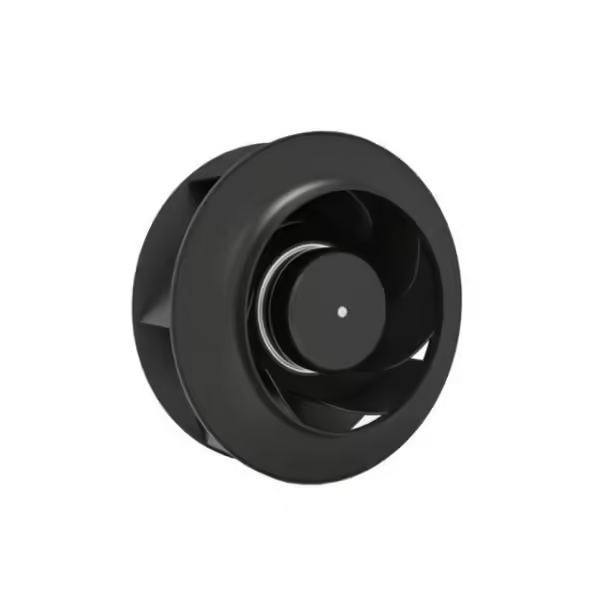
An energy efficient centrifugal blower is a type of fan designed to deliver optimal airflow and static pressure while consuming minimal energy. Unlike standard blowers, these units integrate:
- Advanced impeller designs that minimize turbulence
- High-efficiency motors that reduce electricity consumption
- Optimized housing structures that reduce pressure losses
These features allow energy efficient centrifugal blowers to provide high performance at a lower operational cost, making them ideal for industrial, commercial, and HVAC applications.
Energy efficiency in centrifugal blowers is not only about energy savings—it also contributes to longer equipment life, less vibration, and reduced maintenance costs.
Why Energy Efficiency Matters in Blower Systems
Industrial facilities can spend a significant portion of their electricity budget on air handling and ventilation systems. Investing in energy efficient centrifugal blowers provides multiple advantages:
- Reduced Electricity Expenses – High-efficiency motors and optimized airflow reduce energy consumption by up to 20–30% compared to conventional blowers.
- Lower Carbon Footprint – Energy efficient blowers reduce greenhouse gas emissions, helping companies meet sustainability goals.
- Improved Reliability and Durability – Optimized designs reduce mechanical wear and vibration, lowering maintenance requirements.
- Regulatory Compliance – Many regions now have energy efficiency standards for industrial equipment, making these blowers compliant with modern environmental regulations.
Example: A factory using a standard centrifugal blower at 50 kW can save approximately 12,000 kWh per year by upgrading to an energy efficient blower of equivalent capacity.
Key Features of Energy Efficient Centrifugal Blowers
Energy efficient blowers achieve performance through engineering optimization across multiple components:
- Impeller Design: Backward-curved or radial blades reduce turbulence and improve static pressure efficiency.
- High-Efficiency Motors: Premium-grade motors achieve over 90% efficiency, reducing wasted power and heat.
- Precision Balancing: Minimizes vibration and prolongs bearing life.
- Optimized Housing: Smooth internal contours reduce airflow resistance, lowering energy consumption and noise.
- Corrosion-Resistant Materials: Ensures durability in harsh environments, including chemical plants or humid conditions.
By combining these features, energy efficient centrifugal blowers can deliver the same airflow and pressure as standard models while consuming significantly less energy.
Typical Applications for Energy Efficient Centrifugal Blowers
These blowers are widely used across industries where both airflow performance and energy savings are critical:
- Industrial HVAC Systems – Factories, warehouses, and commercial buildings benefit from reduced electricity bills and improved indoor air quality.
- Air Handling Units (AHUs) – For hospitals, laboratories, and cleanrooms, energy efficient blowers maintain precise airflow with minimal energy waste.
- Fume Extraction Systems – In chemical and manufacturing plants, these blowers safely remove fumes while keeping operational costs low.
- Cooling and Drying Processes – Energy efficient blowers improve productivity while maintaining energy efficiency in production lines.
- Commercial Kitchens and Food Processing – Reduces energy consumption in ventilation and exhaust systems while ensuring proper airflow.
Data Point: Studies show that facilities replacing conventional centrifugal blowers with energy efficient models achieve 10–25% reduction in energy consumption without compromising airflow.
How to Choose the Right Energy Efficient Centrifugal Blower
Selecting the correct blower is crucial to maximize both performance and energy savings. Consider the following factors:
- Airflow Requirements (CFM / m³/h) – Determine the volume of air needed based on space size, system demand, and process requirements.
- Static Pressure (Pa) – Evaluate the resistance from ducts, filters, and vents; energy efficient blowers maintain performance under high pressure.
- Motor Efficiency and Voltage – Select motors with high efficiency ratings and appropriate voltage (e.g., 220V, 380V, 460V).
- Operating Environment – Temperature, humidity, dust, or corrosive exposure impacts material selection and maintenance.
- Noise Level Requirements – Streamlined impeller and housing designs reduce sound, making them suitable for indoor or sensitive environments.
- Maintenance and Durability – Look for features like corrosion-resistant materials, precision bearings, and vibration-reducing designs for long service life.
Tip: Always consult a manufacturer to match blower specifications to your system’s unique airflow and pressure requirements.
Energy Efficient Centrifugal Blower vs Standard Models
| Feature | Standard Blower | Energy Efficient Blower |
|---|---|---|
| Motor Efficiency | 75–85% | 90%+ |
| Energy Consumption | High | Reduced 15–30% |
| Noise Level | Medium | Low |
| Maintenance | Moderate | Lower due to precision design |
| Lifecycle Cost | Higher | Lower over time |
Summary: Energy efficient centrifugal blowers not only save electricity but also reduce operational costs, maintenance needs, and environmental impact.
Manufacturing Expertise and Custom Solutions
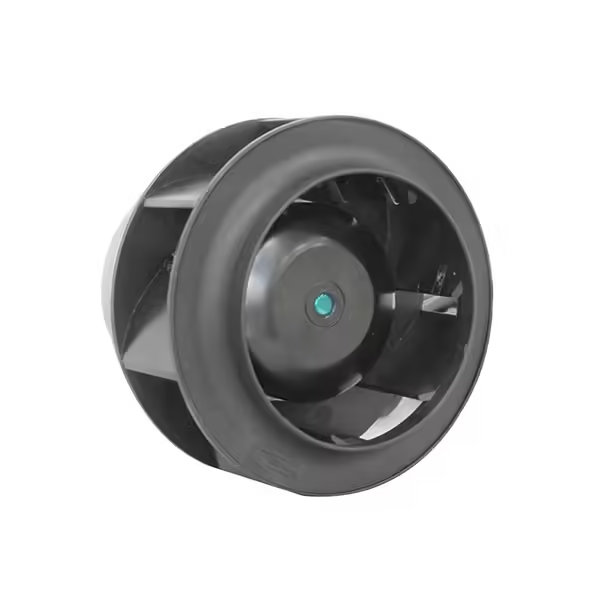
As a professional manufacturer, we offer energy efficient centrifugal blowers with:
- Customizable airflow and pressure options – Tailored to each facility’s unique needs.
- OEM and bulk supply solutions – Ideal for large-scale industrial clients.
- High-quality materials and precision engineering – Ensures reliability in harsh operating environments.
- Technical support from design to installation – Assists customers in choosing the right model for energy and performance goals.
Our manufacturing expertise guarantees both energy savings and reliable performance, helping industries achieve sustainability goals while maintaining operational efficiency.
Conclusion
Energy efficient centrifugal blowers provide a perfect balance of high performance and reduced energy consumption. Advanced impeller designs, high-efficiency motors, and durable construction ensure long-term reliability and lower operational costs.
Need help choosing the right energy efficient centrifugal blower for your system? Contact us today for expert guidance and a customized solution to maximize efficiency, reduce energy costs, and enhance performance across your facility.
FAQ
Q1: What is an energy efficient centrifugal blower?
A: It is a blower designed to deliver high airflow and pressure while consuming less energy, making it ideal for industrial and commercial ventilation systems.
Q2: What are the main applications of energy efficient centrifugal blowers?
A: Common applications include industrial HVAC systems, fume extraction, cooling and drying processes, air handling units, and commercial kitchen ventilation.
Q3: How does an energy efficient centrifugal blower differ from a standard blower?
A: It uses optimized impeller designs, high-efficiency motors, and streamlined housings to reduce energy consumption while maintaining airflow and pressure.
Q4: What factors should I consider when choosing an energy efficient centrifugal blower?
A: Key factors include airflow (CFM), static pressure (Pa), motor efficiency, operating environment, noise level, and maintenance requirements.
Q5: Can energy efficient centrifugal blowers be customized?
A: Yes. Manufacturers can provide custom airflow, pressure, motor options, and housing materials to meet specific industrial or commercial requirements.