
Welcome to My Blog!
Before we dive into the content, if you’re interested in our products or have any questions, please feel free to visit our Contact Us page on the website. Our team is ready to assist you with inquiries, orders, or any support you may need.
Now, let’s get started on our journey together. I hope you find the content here insightful, engaging, and valuable.
Table of Contents
When selecting the right centrifugal fan blower for your HVAC or industrial systems, it’s essential to consider several factors. Centrifugal fan blowers are widely used in applications requiring high airflow, such as ventilation, cooling, and air circulation. However, not all blowers are the same, and choosing the right one can greatly impact both system performance and efficiency. This guide will walk you through the key aspects to consider when choosing the best centrifugal fan blower for your specific needs.
Introduction
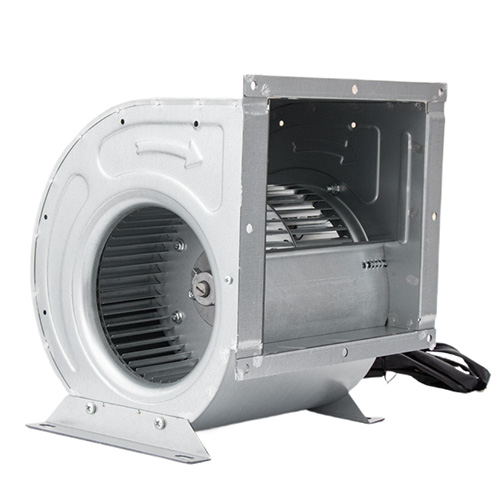
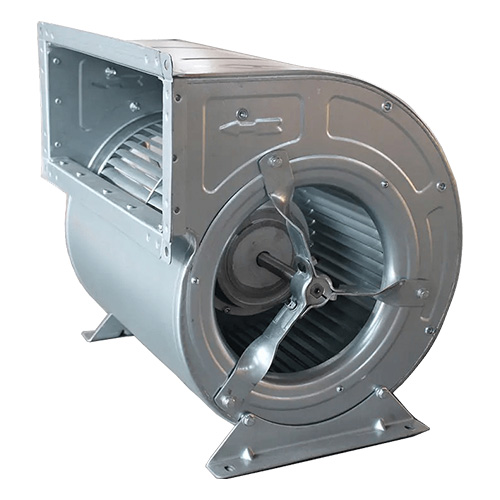
Centrifugal fan blowers are a critical part of various systems requiring efficient air movement. These fans work by using a rotating impeller to increase air pressure and push it out through a discharge port. This results in strong airflow, making them ideal for applications ranging from air conditioning systems to industrial processes and air filtration.
The performance of your system will depend largely on the centrifugal fan blower you select. In this article, we’ll explore the key factors that influence your choice of fan, including airflow, pressure, motor power, and energy efficiency. Additionally, we’ll discuss the different types of centrifugal fan blowers and how to match them with your needs.
Airflow Requirements
The first factor to evaluate when choosing a centrifugal fan blower is the required airflow. Airflow is typically measured in cubic feet per minute (CFM) or cubic meters per hour (m³/h). Your fan needs to be able to deliver the necessary airflow to ensure optimal system performance.
Key Considerations:
- System Size: Larger systems typically require higher airflow to move air effectively throughout the space.
- Pressure Requirements: High-pressure systems may need fans with greater pressure capabilities to ensure air moves through ducts and filters.
By selecting a fan with the correct airflow, you’ll ensure that your system operates efficiently without wasting energy.
Pressure and Static Pressure Considerations
Pressure is another important factor in choosing a centrifugal fan blower. The fan’s pressure capabilities determine how well it can push air through ducts, filters, and other components. Static pressure is the resistance generated by your system, such as from ducts or filters.
Key Factors to Consider:
- Static Pressure: Ensure the fan can overcome the resistance your system creates. A fan with insufficient pressure won’t function efficiently.
- Fan Curve: Every fan has a specific fan curve that relates airflow to pressure. It’s important to match your system’s pressure requirements with the appropriate fan.
Choosing a fan with the correct pressure capabilities will prevent underperformance and energy waste.
Motor Power and Efficiency
Motor power is another crucial element in selecting the right centrifugal fan blower. The motor’s power will affect the fan’s ability to meet the required pressure and airflow. Additionally, motor efficiency plays a significant role in energy consumption.
Key Considerations:
- Power Rating: The motor must have enough power to meet your system’s requirements. A motor that is too small will struggle to handle the demands.
- Energy Efficiency: Opt for high-efficiency motors to reduce energy consumption and lower your operational costs.
By choosing an appropriately sized and energy-efficient motor, you can keep your system running smoothly while saving on long-term energy costs.
Fan Blade Design and Type
Fan blade design directly influences the efficiency of your centrifugal fan blower. Different blade shapes are optimized for specific applications, so understanding these designs can help you make the right choice.
Types of Blades:
- Backward Curved Blades: These blades are best for high-efficiency applications because they use less energy to move air.
- Forward Curved Blades: Ideal for applications that need higher airflow but lower pressure.
- Radial Blades: Radial blades provide high pressure, making them suitable for systems with high resistance.
Matching the correct blade type to your application can improve system performance while reducing energy usage.
Energy Efficiency and Operating Costs
Energy efficiency is a vital factor in the overall performance and cost-effectiveness of your centrifugal fan blower. A more efficient fan will reduce operating costs and save energy over time.
Features to Look For:
- Variable Speed Drives (VSDs): VSDs adjust fan speed based on demand, ensuring the fan operates only when necessary and at the optimal speed for the job.
- Energy-Efficient Motors: Motors designed for energy efficiency minimize power usage while maintaining strong performance.
Investing in an energy-efficient fan helps cut operational costs and lowers your carbon footprint.
Maintenance and Durability
The durability of a centrifugal fan blower is essential for minimizing maintenance and repair costs. A well-designed fan that’s easy to maintain will provide reliable service for years.
Key Considerations:
- Corrosion-Resistant Materials: Blowers made from corrosion-resistant materials, such as stainless steel, will last longer, especially in harsh environments.
- Ease of Maintenance: Look for fans that are easy to clean and maintain. Regular upkeep will extend the fan’s lifespan.
Choosing a durable, low-maintenance blower will help ensure reliable performance without unexpected downtime.
Noise Levels and Vibration Control
Noise and vibration are common issues with centrifugal fan blowers, especially in environments like offices or laboratories, where quiet operation is essential. Excessive vibration can also lead to wear and tear over time.
Key Considerations:
- Vibration Control: Choose fans with built-in vibration dampening or mounting systems to reduce unnecessary movement.
- Noise Reduction: Opt for fans that are designed for quieter operation, such as those with backward-curved blades, which are generally quieter than other designs.
Ensuring minimal noise and vibration will improve your system’s efficiency and prevent long-term damage.
Factors to Consider When Choosing a Centrifugal Fan Blower
| Factor | What to Look For | Why It Matters |
|---|---|---|
| Airflow Requirements | CFM or m³/h matching system needs | Ensures optimal system performance and energy efficiency. |
| Pressure and Static Pressure | Proper static pressure handling capabilities | Prevents poor performance in high-resistance systems. |
| Motor Power and Efficiency | Sufficient power rating, energy-efficient motor | Reduces energy consumption and operational costs. |
| Fan Blade Design | Backward/Forward curved, or radial blades | Optimizes airflow, pressure, and energy efficiency. |
| Energy Efficiency | VSDs and high-efficiency motors | Minimizes energy waste and lowers running costs. |
| Maintenance and Durability | Corrosion-resistant materials, easy maintenance | Increases fan lifespan and reduces downtime. |
| Noise and Vibration Control | Vibration dampening, quiet operation | Ensures smooth operation and minimizes system disruption. |
Conclusion
Choosing the right centrifugal fan blower is a critical decision that directly impacts your system’s efficiency, reliability, and operational costs. By considering factors such as airflow, pressure, motor efficiency, and durability, you can ensure that your blower is a perfect match for your system’s needs. Whether for HVAC, industrial processes, or other applications, a well-chosen centrifugal fan will provide long-term value and enhanced system performance.
FAQ
What is the difference between centrifugal and axial fans?
Centrifugal fans create pressure by using a rotating impeller, while axial fans move air along the fan’s axis. Centrifugal fans are better suited for systems requiring higher pressure.
How do I maintain my centrifugal fan blower?
Regular maintenance includes cleaning the fan blades, checking for wear, lubricating moving parts, and replacing worn-out components to ensure efficient operation.
How do I calculate the airflow requirement for my system?
To calculate airflow, you need to know the system’s volume, the air exchange rate, and the required airflow per minute. It’s essential to account for system resistance as well.