
Welcome to My Blog!
Before we dive into the content, if you’re interested in our products or have any questions, please feel free to visit our Contact Us page on the website. Our team is ready to assist you with inquiries, orders, or any support you may need.
Now, let’s get started on our journey together. I hope you find the content here insightful, engaging, and valuable.
Table of Contents
Indoor air quality is crucial for maintaining a healthy and comfortable living environment. Whether you’re managing allergies, controlling humidity, or improving ventilation, an indoor air handling unit (AHU) plays a significant role in your home’s HVAC system. Choosing the right one can make a noticeable difference in air quality, comfort, and energy efficiency. This guide will help you navigate the essential factors when selecting the best indoor air handling unit for your home.
Introduction
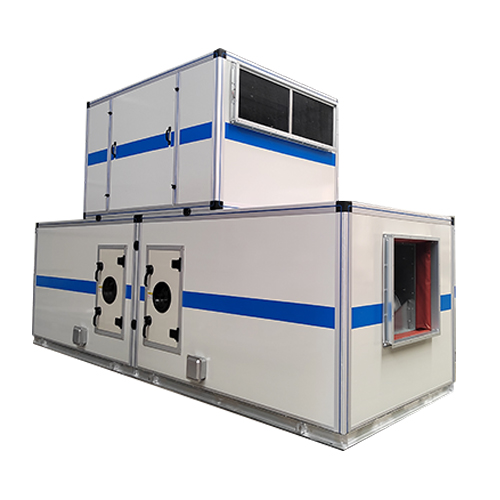
An indoor air handling unit is an essential component of any modern HVAC system. It helps circulate and condition air throughout your home, ensuring a comfortable living environment. Choosing the right indoor air handling unit can make your home more energy-efficient, enhance air quality, and improve overall comfort. With numerous options available, it’s essential to understand the key factors that should guide your decision.
Key Features of an Indoor Air Handling Unit
Airflow Capacity and Size
Selecting the right size and airflow capacity for your unit is crucial. The unit must provide adequate airflow to cover the entire space.
- Sizing Considerations: The size of your unit depends on the home’s square footage and the required airflow (measured in CFM). If the unit is too small, it will struggle to maintain airflow. On the other hand, an oversized unit can lead to wasted energy.
- Variable Speed Fans: Modern units often include variable-speed fans that adjust airflow as needed, offering flexibility in controlling your home’s ventilation.
Energy Efficiency
Energy efficiency is a critical factor for long-term savings and sustainability. Look for an AHU with a high SEER rating (Seasonal Energy Efficiency Ratio) and Energy Star certification for maximum energy savings.
- Efficiency Ratings: Units with higher SEER ratings consume less energy. This can lower your utility bills over time.
- Energy Star Certification: This certification means the unit meets rigorous efficiency standards, making it an excellent choice for reducing environmental impact and operational costs.
Filtration System
The filtration system is one of the most important aspects of any air handling unit. Consider units that offer advanced filtration, such as:
- HEPA Filters: High-Efficiency Particulate Air (HEPA) filters trap small particles like dust and pollen, making them ideal for homes with allergy sufferers.
- Activated Carbon Filters: These filters are excellent at eliminating odors and volatile organic compounds (VOCs), helping to improve the overall quality of the air.
How to Select the Right Indoor Air Handling Unit for Your Home

When choosing the ideal indoor air handling unit for your home, consider the following factors:
Consider Your Home’s Needs
Each home has its unique requirements. Tailor your unit to the specific needs of your household:
- Home Size: Larger homes may need a larger, more powerful unit, while smaller homes might be adequately served by a more compact model.
- Air Quality Requirements: Homes with air quality issues (such as high levels of allergens or pollutants) will benefit from advanced filtration systems.
- Climate Considerations: If your home is in an area with extreme temperatures, choose an AHU that can handle both heating and cooling demands.
Look for Additional Features
- Humidity Control: Many units now include built-in dehumidifiers for homes located in humid areas. This feature helps maintain comfort and prevent mold growth.
- Smart Controls: Modern systems often come with smart technology that allows you to control the temperature and air quality remotely via a smartphone or tablet.
- Noise Levels: If you need a quiet solution, look for models that are specifically designed to operate silently.
Why Energy Efficiency Matters in Indoor Air Handling Units
With rising energy costs, investing in an energy-efficient indoor air handling unit makes sense for both your wallet and the environment. Here’s why efficiency should be at the forefront of your decision:
- Lower Costs: Energy-efficient units reduce electricity consumption, leading to lower monthly energy bills.
- Environmental Impact: By choosing an energy-efficient AHU, you’re helping to reduce the overall carbon footprint of your home.
- Improved Performance: Efficient units tend to last longer and require fewer repairs, resulting in less maintenance and greater reliability.
Choosing the Right Size Indoor Air Handling Unit
Proper sizing is essential for efficiency and performance. An incorrectly sized unit will either underperform or waste energy. Here’s how to determine the ideal size:
- Square Footage: Larger homes need a larger unit, while smaller homes need something more compact.
- Air Circulation Needs: Consider the number of rooms, the home’s layout, and the air circulation requirements when selecting the right AHU.
Comparison of Indoor Air Handling Unit Features
| Feature | Basic Model | Premium Model | High-Efficiency Model |
|---|---|---|---|
| Energy Efficiency | Moderate | High | Very High |
| Filtration System | Standard | HEPA/Activated Carbon | Advanced HEPA Filters |
| Humidity Control | No | Yes | Yes |
| Smart Control | No | Yes | Yes |
| Size Options | Small to Medium | Medium to Large | Customizable |
Indoor Air Handling Units for Special Needs
Homes with specific needs, such as allergy sufferers or those in humid climates, require tailored units. Look for systems that offer specialized features like:
- For Allergy Sufferers: Choose units with HEPA filters to trap fine particles and allergens.
- For High Humidity: Select an AHU that has a built-in dehumidifier or humidity control options to ensure a comfortable indoor environment.
Maintenance and Longevity of Indoor Air Handling Units
Proper maintenance is essential for the longevity and performance of your indoor air handling unit. Here’s what you should do to keep your unit in top shape:
- Filter Maintenance: Replace or clean filters regularly to prevent airflow restrictions and maintain air quality.
- Regular Inspections: Hire a professional for annual servicing to ensure that all components are functioning properly.
- Long-Term Care: Proper maintenance helps extend the lifespan of your AHU and prevents costly repairs.
Benefits of Upgrading Your Indoor Air Handling Unit
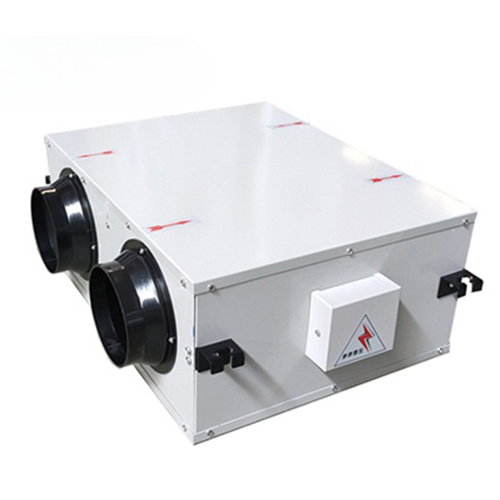
Upgrading to a newer, more efficient indoor air handling unit offers several advantages:
- Better Air Quality: Advanced filtration and air treatment systems improve air quality, which is especially beneficial for those with respiratory issues.
- Energy Savings: Modern units are designed with energy efficiency in mind, reducing overall energy consumption.
- Smart Features: Many new units come with smart controls that provide convenience and efficiency.
Conclusion
Choosing the best indoor air handling unit for your home is a key decision that will affect your comfort, air quality, and energy costs. By considering factors like size, energy efficiency, and filtration systems, you can find the unit that best fits your home’s specific needs. Take the time to evaluate all aspects, and don’t hesitate to seek professional guidance if needed.
FAQ
What is an indoor air handling unit?
An indoor air handling unit is a component of an HVAC system that helps circulate and condition air throughout a building, improving air quality and comfort.
How do I know the right size of AHU for my home?
The size of your unit depends on your home’s square footage, the number of rooms, and your specific air circulation needs.
Can I install an indoor air handling unit myself?
It’s recommended to have a professional install the unit to ensure it integrates properly with your HVAC system for maximum efficiency.