
Welcome to My Blog!
Before we dive into the content, if you’re interested in our products or have any questions, please feel free to visit our Contact Us page on the website. Our team is ready to assist you with inquiries, orders, or any support you may need.
Now, let’s get started on our journey together. I hope you find the content here insightful, engaging, and valuable.
Table of Contents
Centrifugal type blowers are essential components in various industrial and commercial applications, including HVAC systems, dust collection, and high-pressure air delivery. Choosing the right centrifugal blower for your project can significantly impact system efficiency, energy consumption, and operational reliability. In this guide, we’ll walk you through everything you need to know to make an informed decision.
Understanding Centrifugal Type Blowers
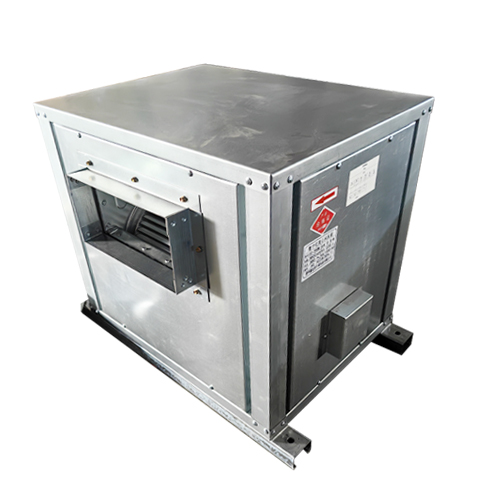
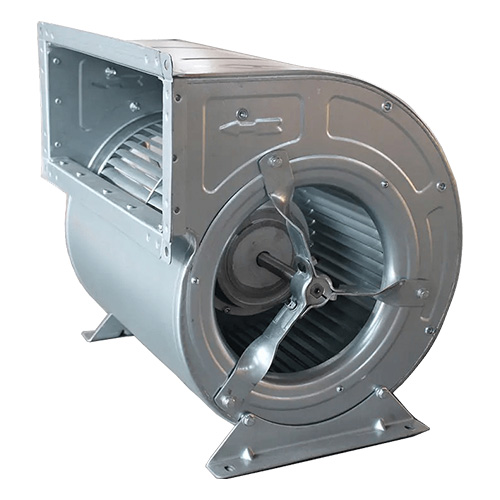
A centrifugal type blower, also known as a centrifugal fan, is a mechanical device that moves air or gas using the centrifugal force generated by a rotating impeller. Unlike axial fans, which move air parallel to the axis of rotation, centrifugal blowers propel air at a 90-degree angle, creating higher pressure and efficient airflow in ducted systems.
The key components of a centrifugal blower include the impeller, housing, inlet and outlet, and motor. These components work together to convert rotational energy into kinetic energy, resulting in increased airflow pressure. The advantages of centrifugal blowers include high efficiency, consistent airflow under varying pressure conditions, quiet operation, and versatility in industrial applications.
Types of Centrifugal Blowers
Choosing the right type of centrifugal blower starts with understanding the different designs:
- Forward Curved Blowers: Ideal for low to medium pressure applications, these blowers provide smooth and quiet airflow.
- Backward Curved Blowers: Suitable for higher pressure and more demanding industrial systems, these blowers are more energy-efficient and less prone to clogging.
- Radial Blowers: Designed for high-pressure and low-flow systems, often used in dust collection and pneumatic conveying.
- Single-Stage vs Multi-Stage Blowers: Single-stage blowers are simpler and cost-effective for moderate airflow needs, while multi-stage blowers provide higher pressure for large or complex systems.
Each type has specific benefits depending on your system requirements, energy goals, and environmental conditions.
Applications of Centrifugal Type Blowers
Centrifugal blowers are used across a wide range of industries:
- HVAC Systems: Ensuring proper ventilation and air circulation in residential, commercial, and industrial buildings.
- Dust Collection and Industrial Exhaust: Removing dust, fumes, and particulate matter from manufacturing environments.
- High-Pressure Air and Gas Delivery: Used in pneumatic systems, chemical processing, and food production.
- Specialty Applications: Including high-temperature or corrosive environments, requiring custom materials like stainless steel or explosion-proof designs.
Understanding the intended application helps narrow down blower types, material selections, and design considerations.
Key Factors to Consider When Choosing a Blower
When selecting a centrifugal type blower, consider the following factors:
- Airflow Capacity (CFM) and Pressure Requirements: Calculate the volume of air your system needs and the pressure required to overcome system resistance.
- System Resistance and Ductwork: Ensure the blower can handle friction losses, bends, and length of duct runs.
- Noise and Vibration Levels: Look for designs with vibration-dampening mounts and quiet impeller profiles.
- Energy Efficiency: Choose blowers with high-efficiency impellers to minimize operating costs.
- Material and Environmental Compatibility: Select materials that can withstand temperature, humidity, and chemical exposure in your system.
Correctly assessing these factors reduces maintenance issues, enhances performance, and ensures long-term reliability.
Sizing and Specification Guidelines
Proper sizing is critical to optimal performance:
- Calculating Airflow and Pressure: Use performance curves and engineering formulas to match blower capacity with system demand.
- Motor Power and Speed: Ensure the motor can deliver sufficient torque without overloading.
- Impeller Selection: Forward, backward, or radial impellers should be chosen based on airflow and pressure needs.
- Performance Curves and Efficiency Charts: Reference manufacturer specifications to verify that your selected blower operates within optimal efficiency ranges.
Accurate sizing prevents energy waste and ensures your system functions safely under all operating conditions.
Installation and Setup Tips
Proper installation maximizes performance and longevity:
- Mounting and Alignment: Ensure the blower is securely mounted and properly aligned to prevent vibration and wear.
- Duct Connection: Minimize sharp bends and obstructions to maintain smooth airflow.
- Safety Considerations: For electrical and high-temperature systems, ensure compliance with safety standards.
- Initial Testing and Balancing: Run the system under full load and check for airflow consistency, noise, and vibration before full operation.
Well-executed installation reduces the risk of premature failure and keeps the system operating efficiently.
Maintenance and Troubleshooting
Routine maintenance is essential for consistent performance:
- Inspection and Cleaning: Regularly clean impellers, housings, and filters to prevent dust buildup.
- Lubrication and Bearing Care: Proper lubrication extends motor and bearing life.
- Common Problems: Noise, vibration, and reduced airflow are typical issues; troubleshooting guides often address impeller balance, duct restrictions, or motor issues.
- Lifespan Extension: Using vibration dampers, thermal protection, and monitoring system performance can increase operational life.
A proactive maintenance schedule ensures minimal downtime and keeps energy costs low.
Buying Guide and Cost Considerations
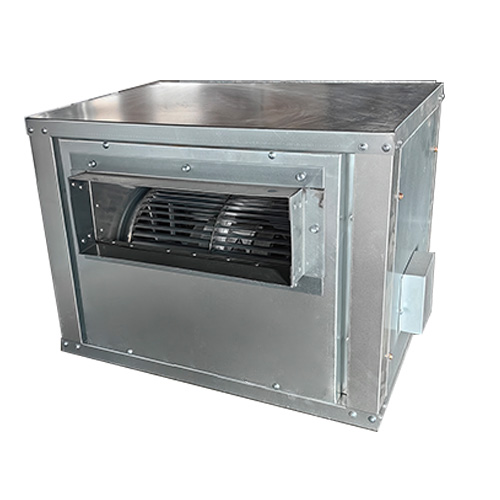
When purchasing a centrifugal blower:
- Brand and Quality Comparison: Look for reputable manufacturers with proven performance records.
- Custom vs Standard Blowers: Determine whether your application requires a standard model or a custom solution.
- Pricing Factors: Size, material, motor power, and special features affect cost.
- Where to Buy: Consider authorized distributors, industrial suppliers, and online platforms.
A well-informed purchase balances initial cost with long-term efficiency and reliability.
FAQ
What is a centrifugal type blower?
A centrifugal type blower is a mechanical device that moves air or gas by using a rotating impeller to create centrifugal force, producing high-pressure airflow.
How does a centrifugal blower differ from an axial blower?
Unlike axial blowers, which move air parallel to the axis, centrifugal blowers push air at a 90-degree angle, generating higher pressure and more consistent airflow.
What are common applications of centrifugal type blowers?
They are widely used in HVAC systems, industrial ventilation, dust collection, pneumatic conveying, and high-pressure air delivery.
How do I choose the right centrifugal blower for my project?
Consider airflow (CFM), pressure requirements, system resistance, noise, energy efficiency, and material compatibility with your operating environment.
How can I maintain a centrifugal type blower for long-term use?
Regularly inspect and clean the impeller, lubricate bearings, check alignment, and monitor vibration and noise to ensure optimal performance.
Need Help Choosing the Right Centrifugal Type Blower?
If you’re unsure about which centrifugal blower is best for your project or system, our experts are here to guide you. Contact us today for a personalized consultation and ensure your ventilation or industrial system operates efficiently and reliably. Don’t wait until performance issues arise—get in touch now to optimize airflow, save energy, and protect your equipment!