
Table of Contents
Introduction
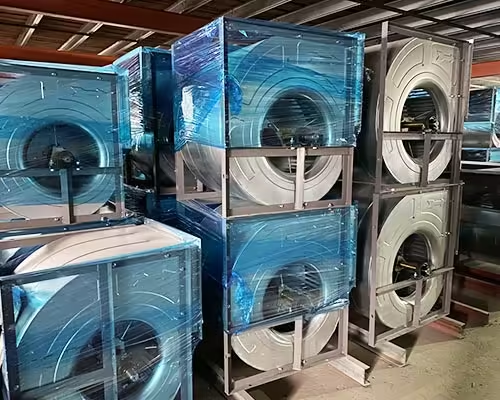
In industrial operations, the efficiency and reliability of ventilation systems are critical. Centrifugal blower fans play a vital role in maintaining airflow, controlling temperature, and ensuring safe working environments. Choosing the right centrifugal blower fan manufacturer is not just about price—it determines the quality, durability, and performance of the equipment. As a direct manufacturer of centrifugal blower fans, we understand the challenges businesses face when sourcing reliable industrial fans. Selecting a trusted supplier ensures you receive a product that meets both operational and regulatory requirements.
Understanding Centrifugal Blower Fans: Key Features and Benefits
Centrifugal blower fans are designed to move air or gases efficiently using a rotating impeller. Unlike axial fans, which move air parallel to the fan blade, centrifugal fans generate higher pressure by directing air at a 90-degree angle from the intake. This makes them ideal for industrial applications that require high static pressure, such as chemical processing, HVAC systems, and dust collection.
Some key benefits include:
- High airflow efficiency and consistent performance
- Low noise operation for indoor and factory environments
- Durability with corrosion-resistant materials
- Adaptable to various industrial applications
Using centrifugal blower fans from a trusted manufacturer guarantees that each unit is designed and tested to meet strict industrial standards, reducing downtime and maintenance costs.
Different Types of Centrifugal Blower Fans and Their Applications
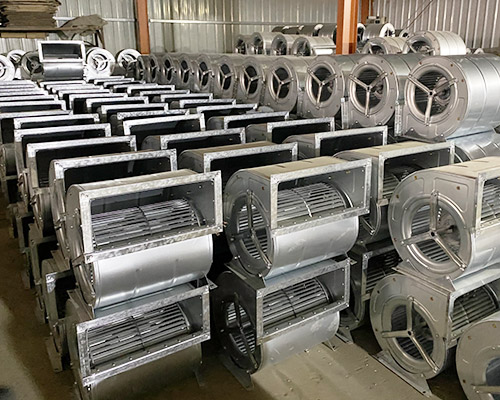
Centrifugal blower fans come in several types, each suited for specific industrial applications:
- Forward Curved Fans: Ideal for low-pressure, high-volume applications such as HVAC systems.
- Backward Curved Fans: Commonly used in industrial processes requiring high efficiency and low energy consumption.
- Radial Fans: Used in environments with particulate matter, such as dust collection systems.
Table 1: Types of Centrifugal Blower Fans and Typical Applications
| Fan Type | Key Features | Common Industrial Applications |
|---|---|---|
| Forward Curved | Low pressure, high airflow | Air conditioning, heating systems |
| Backward Curved | High efficiency, energy-saving | Industrial ventilation, process air |
| Radial | Handles dust and particulates | Dust collectors, chemical plants |
Understanding these types helps manufacturers and industrial buyers choose the right blower for their specific needs.
How to Evaluate a Centrifugal Blower Fan Manufacturer
Selecting a manufacturer goes beyond product specifications. Key evaluation criteria include:
- Certifications: ISO, CE, or other relevant industrial standards ensure quality.
- Production Capacity: The ability to handle bulk orders or customized units efficiently.
- Customer Reviews: Feedback from other industrial buyers highlights reliability and service quality.
- After-Sales Support: Comprehensive guidance and technical support minimize operational risks.
As a manufacturer, we provide all these assurances, ensuring each centrifugal blower fan meets your operational requirements.
Advantages of Working Directly with a Manufacturer
Partnering directly with a centrifugal blower fan manufacturer provides several advantages:
- Cost Efficiency: Eliminate intermediary markups and access competitive pricing.
- Customization: Tailor fan specifications, materials, and dimensions to your exact industrial needs.
- Technical Support: Gain guidance on installation, operation, and maintenance from experts.
- Long-Term Partnership: Reliable manufacturers offer continued service for future projects.
Working directly with the factory also allows for bulk orders, reducing procurement complexity and ensuring consistent quality across multiple units.
Common Mistakes to Avoid When Choosing Centrifugal Blower Fans
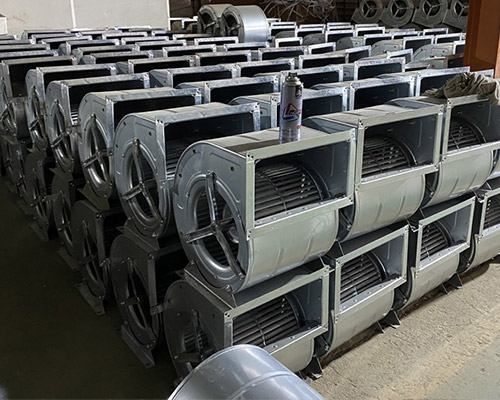
Even experienced industrial buyers sometimes make costly mistakes. Avoid these pitfalls:
- Ignoring Performance Parameters: Choosing fans without considering airflow, pressure, and power can lead to underperformance.
- Focusing Solely on Price: Low-cost options often compromise on materials, energy efficiency, or durability.
- Neglecting After-Sales Service: Proper maintenance and spare part availability are critical for long-term operation.
Following manufacturer guidelines and industry best practices ensures the selected blower fans deliver optimal performance.
Customization Options Offered by Leading Manufacturers
Leading centrifugal blower fan manufacturers provide a wide range of customization options to meet diverse industrial needs:
- Custom Sizes and Capacities: Adapted to specific ducting or factory layouts.
- Material Selection: Stainless steel, aluminum, or corrosion-resistant coatings for specialized environments.
- Installation Flexibility: Horizontal, vertical, or inline mounting to fit operational constraints.
- Specialized Features: Explosion-proof, high-temperature, or chemical-resistant fans for challenging industrial applications.
Custom options allow businesses to integrate the blower seamlessly into their industrial processes while maximizing efficiency and safety.
Comparing Centrifugal Blower Fans with Other Types of Industrial Fans
Centrifugal fans are often compared to axial and mixed-flow fans. Key considerations include:
- Airflow vs Pressure: Centrifugal fans excel in high-pressure environments, while axial fans provide higher airflow at lower pressure.
- Noise Levels: Centrifugal fans generally operate quieter under heavy-duty conditions.
- Energy Efficiency: Backward-curved centrifugal fans are among the most energy-efficient for industrial ventilation.
Selecting the right type requires evaluating the operational environment, airflow needs, and efficiency goals.
Maintenance Tips to Extend the Life of Your Centrifugal Blower Fan
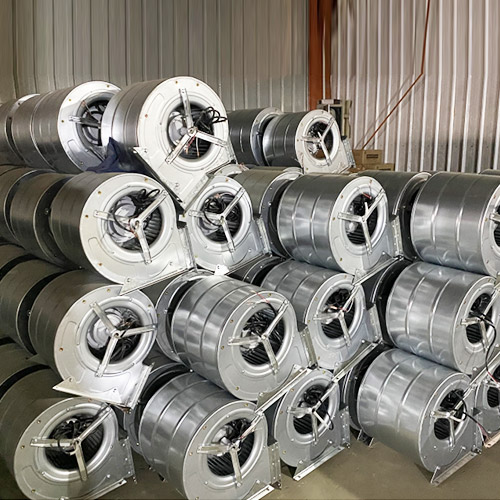
Proper maintenance ensures long-term reliability and reduces downtime:
- Regular Cleaning: Remove dust, debris, and buildup from the impeller and housing.
- Lubrication: Keep bearings and moving parts properly lubricated to avoid wear.
- Routine Inspections: Check for vibrations, unusual noise, or alignment issues.
- Spare Parts: Keep critical components like belts and bearings in stock.
Following these manufacturer-recommended practices extends service life and maintains consistent performance.
Conclusion
Choosing a trusted centrifugal blower fan manufacturer is critical for operational efficiency, safety, and long-term cost savings. Directly sourcing from a reliable manufacturer provides access to high-quality, customizable industrial fans, backed by technical support and after-sales service. Whether you are upgrading your ventilation system, ordering in bulk, or looking for specialized industrial solutions, working with an experienced manufacturer ensures your centrifugal blower fans meet the highest standards.
For businesses seeking reliable and efficient industrial ventilation solutions, contacting a professional centrifugal blower fan manufacturer is the first step toward achieving optimal performance and lasting value.
FAQ
Q1: What industries use centrifugal blower fans?
A: Centrifugal blower fans are widely used in HVAC systems, chemical plants, dust collection, power generation, and industrial ventilation where high-pressure airflow is required.
Q2: How do I choose a reliable centrifugal blower fan manufacturer?
A: Look for manufacturers with ISO/CE certifications, proven production capacity, positive customer reviews, and strong after-sales support to ensure quality and reliability.
Q3: Can centrifugal blower fans be customized?
A: Yes, most manufacturers offer customization for size, capacity, materials, and installation types to meet specific industrial requirements.
Q4: What is the difference between centrifugal and axial fans?
A: Centrifugal fans generate higher pressure and are ideal for ducted or high-resistance systems, while axial fans provide higher airflow at lower pressure for open or low-resistance applications.
Q5: How can I maintain my centrifugal blower fan for long-term use?
A: Regular cleaning, lubrication, routine inspections, and following the manufacturer’s maintenance guidelines help extend the fan’s life and maintain performance.