
Welcome to My Blog!
Before we dive into the content, if you’re interested in our products or have any questions, please feel free to visit our Contact Us page on the website. Our team is ready to assist you with inquiries, orders, or any support you may need.
Now, let’s get started on our journey together. I hope you find the content here insightful, engaging, and valuable.
Table of Contents
Introduction
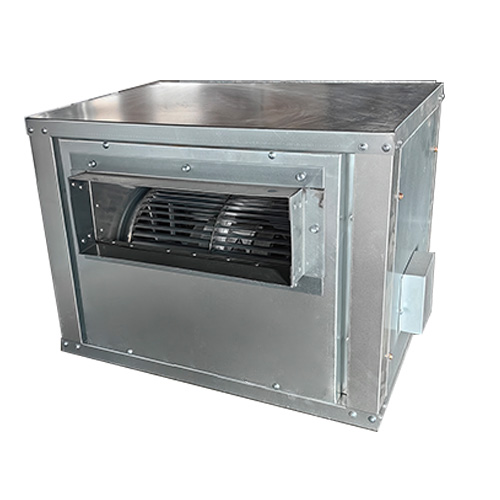
Centrifugal blower fans are critical components in modern HVAC (Heating, Ventilation, and Air Conditioning) systems, playing a key role in moving air efficiently through complex duct networks. Unlike axial fans, which push air in a straight line along the fan shaft, centrifugal blower fans utilize a rotating impeller to propel air outward at a 90-degree angle. This design allows them to generate higher static pressure, making them ideal for long duct runs, air handling units, and systems that require controlled airflow.
The main components of a centrifugal blower fan include the impeller, housing, inlet, and motor. The impeller can be forward-curved, backward-curved, or radial, each affecting the fan’s airflow, efficiency, and noise characteristics. Understanding these components and how they interact is essential when designing or maintaining HVAC systems.
Centrifugal fans are also valued for their reliability and durability. With fewer issues related to blade fatigue and higher tolerance for dust or particulate matter, they are commonly chosen for commercial, industrial, and residential applications.
Types of Centrifugal Blower Fans Used in HVAC Systems
Different types of centrifugal blower fans are used depending on the application and system requirements:
Forward-Curved Blower Fans are commonly used in residential and light commercial HVAC systems. They are effective for low-pressure, high-volume airflow and are generally quieter due to the smooth curvature of the blades.
Backward-Curved Blower Fans provide higher efficiency and lower noise levels compared to forward-curved fans. They are widely used in medium to high-pressure applications in commercial and industrial HVAC systems.
Radial Blade Blower Fans are highly durable and capable of handling particulate-laden air or dust. These fans are often applied in industrial environments where clean or contaminated air must be moved safely.
Comparison with Axial Fans: Axial fans move air in a straight line, making them suitable for short, unobstructed duct runs. However, for systems that require higher pressure and airflow through long or complex ductwork, centrifugal blower fans are the preferred choice.
Applications of Centrifugal Blower Fans in HVAC
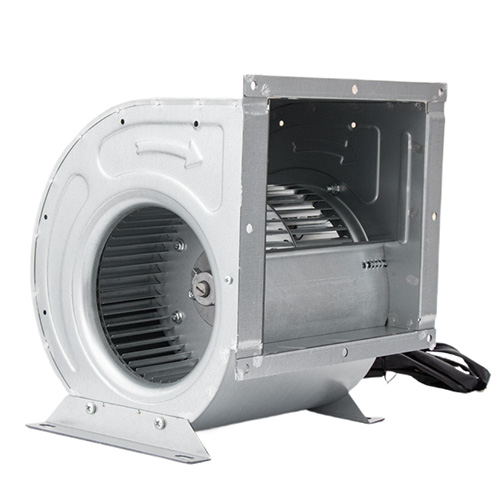
Centrifugal blower fans serve multiple purposes in HVAC systems, contributing to air circulation, temperature control, and indoor air quality:
- Air Handling Units (AHUs): Centrifugal fans distribute conditioned air efficiently throughout buildings, ensuring even temperature and airflow in each zone.
- Commercial and Industrial Ventilation Systems: Warehouses, factories, and large office buildings benefit from the high-pressure airflow of centrifugal fans, which can handle complex duct layouts and long distances.
- Residential HVAC Applications: Forward-curved centrifugal fans are often used in homes to maintain proper ventilation while minimizing noise, making them suitable for bedrooms, living rooms, and HVAC closets.
- Specialized Applications: Clean rooms, laboratories, and data centers require precise control over airflow and air pressure. Centrifugal blower fans provide consistent performance in these sensitive environments, ensuring compliance with strict standards.
- Exhaust Systems and Fume Extraction: In industrial facilities, centrifugal fans can remove contaminated air, fumes, or smoke efficiently, improving safety and air quality.
Advantages of Using Centrifugal Blower Fans in HVAC Systems
Centrifugal blower fans offer several benefits that make them a top choice for HVAC engineers and system designers:
- High Efficiency: Their impeller design allows for higher static pressure, enabling airflow through long ducts and complex layouts without significant loss of performance.
- Noise Reduction: Backward-curved and properly balanced fans operate quietly, enhancing comfort in offices, homes, and other noise-sensitive areas.
- Compact Design: Their unique construction allows installation in tight spaces without compromising airflow, which is especially important in residential and retrofit projects.
- Durability and Reliability: Fewer moving parts subject to wear and tear, combined with high-quality materials, ensure long service life with minimal downtime.
- Energy Savings: High-efficiency centrifugal fans reduce electricity consumption, particularly when paired with variable speed drives or energy-optimized motors.
Energy Efficiency and Performance Optimization
Energy efficiency is a major consideration in modern HVAC design, both for environmental impact and operational cost savings. Centrifugal blower fans can be optimized through:
- High-Efficiency Fan Selection: Choosing fans designed to operate at peak efficiency reduces energy use while maintaining optimal airflow.
- Variable Speed Drives (VSD): VSD systems adjust fan speed to match real-time airflow requirements, significantly reducing energy consumption compared to constant-speed operation.
- Regular Maintenance: Cleaning the impeller, lubricating bearings, and checking alignment prevents energy losses caused by friction, imbalance, or airflow obstruction.
- System Design Considerations: Proper duct sizing, minimizing bends and restrictions, and using insulated ducts reduce static pressure and enhance overall system performance.
Implementing these measures can result in measurable energy savings, lower operating costs, and longer fan life.
Common Problems and Troubleshooting
Even well-designed centrifugal blower fans may experience issues over time. Common problems include:
- Excessive Noise or Vibration: Often caused by misalignment, loose mounting, or worn bearings. Balancing the impeller and checking installation can resolve most issues.
- Reduced Airflow or Pressure Drop: May occur due to clogged filters, duct obstructions, or improper fan sizing. Regular inspection and cleaning are crucial.
- Motor Failures or Bearing Wear: Ensure lubrication and motor inspection at regular intervals to avoid premature failure.
- Imbalance or Blade Damage: Can affect efficiency and increase energy consumption. Inspect impellers periodically for wear or debris buildup.
A proactive maintenance schedule significantly reduces the risk of system downtime and maintains optimal performance.
How to Choose the Right Centrifugal Blower Fan for HVAC Systems
Selecting the right fan involves balancing performance, cost, and system requirements:
- Airflow and Static Pressure: Ensure the fan meets the system’s ductwork requirements. Incorrect sizing can lead to inefficiency and high energy bills.
- Material and Durability: For industrial or humid environments, corrosion-resistant materials improve lifespan and reliability.
- Noise and Vibration: Consider building type and occupancy to select fans with appropriate noise levels.
- Cost vs. Performance: Evaluate initial investment versus long-term energy savings. High-efficiency models often offer better ROI over time.
- Compliance with Standards: Ensure fans meet industry standards, such as AMCA or ASHRAE guidelines, for airflow and safety.
Buying and Installing Centrifugal Blower Fans for HVAC Systems
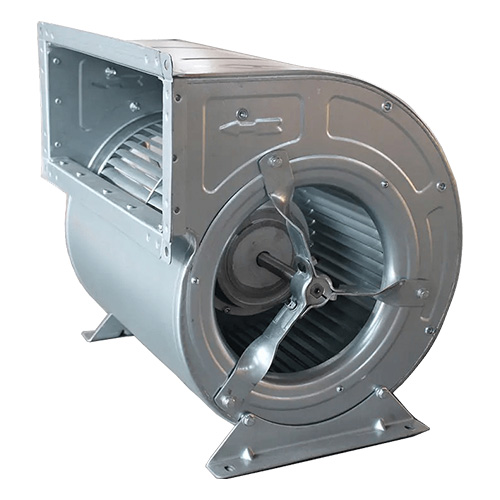
Reliable suppliers provide centrifugal blower fans with warranties, technical support, and installation instructions. Best practices for installation include:
- Proper alignment and secure mounting to prevent vibration and noise.
- Following manufacturer guidelines for electrical connections and motor setup.
- Conducting post-installation testing to verify airflow, pressure, and noise levels.
- Considering bulk purchase options for industrial installations to reduce costs.
Proper installation ensures longevity, energy efficiency, and consistent performance throughout the system’s lifecycle.
FAQ
What is a centrifugal blower fan?
A centrifugal blower fan is a type of fan that moves air outward at a 90-degree angle using a rotating impeller, providing high-pressure airflow for HVAC, industrial, and residential applications.
How does a centrifugal blower fan differ from an axial fan?
Unlike axial fans that push air straight along the shaft, centrifugal fans generate higher static pressure and can move air through long or complex duct systems efficiently.
What are the main applications of centrifugal blower fans?
They are widely used in HVAC systems, air handling units, industrial ventilation, residential ventilation, clean rooms, and data centers where controlled airflow is essential.
How can I maintain my centrifugal blower fan?
Regular maintenance includes cleaning the impeller, checking and lubricating bearings, inspecting for vibration or noise, and ensuring the fan is operating within its specified airflow and pressure range.
Are centrifugal blower fans energy-efficient?
Yes, especially high-efficiency and backward-curved models, which reduce energy consumption. Pairing them with variable speed drives (VSD) further improves efficiency and lowers operating costs.
Need Help Choosing the Right Centrifugal Blower Fan?
If you’re unsure which centrifugal blower fan is best for your HVAC system or industrial application, our experts are here to guide you. Contact us today for a personalized consultation, and ensure your ventilation system is efficient, reliable, and tailored to your needs. Don’t wait—get in touch now to optimize airflow, save energy, and maintain a comfortable environment!