
Welcome to My Blog!
Before we dive into the content, if you’re interested in our products or have any questions, please feel free to visit our Contact Us page on the website. Our team is ready to assist you with inquiries, orders, or any support you may need.
Now, let’s get started on our journey together. I hope you find the content here insightful, engaging, and valuable.
Table of Contents
Introduction
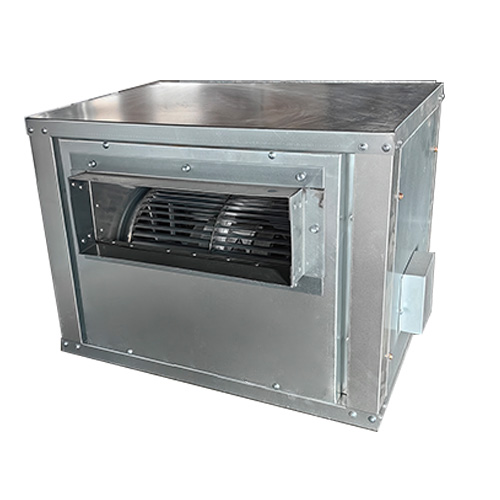
What is a Centrifugal Blower?
A centrifugal blower is a mechanical device designed to move air or gas by converting rotational kinetic energy into pressure energy. Unlike axial fans that move air in a straight line, centrifugal blowers force air outward through centrifugal force. Understanding the centrifugal blower application is essential for industries that require controlled airflow and high-pressure systems.
How Centrifugal Blowers Work in Industrial Processes
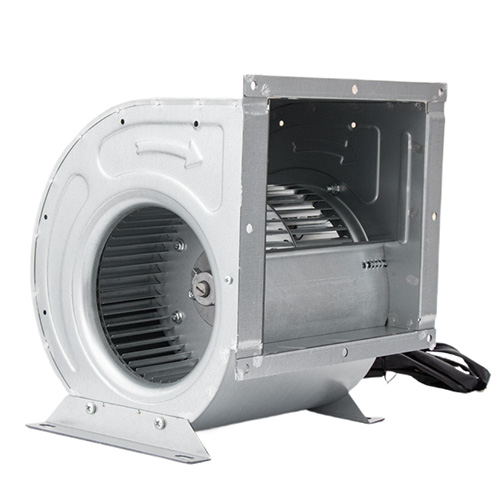
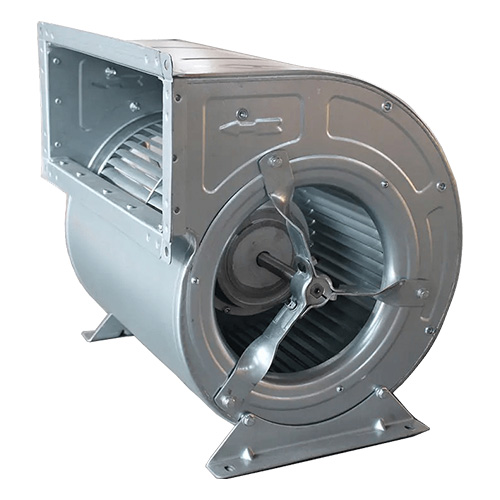
Centrifugal blowers operate by drawing air into the center of a rotating impeller and accelerating it outward into a volute casing. This process increases both the velocity and pressure of the air, making it suitable for various industrial applications. The versatility of centrifugal blower applications allows them to be used in ventilation, dust extraction, and fume removal systems.
Key Advantages of Centrifugal Blowers over Other Types of Fans
Centrifugal blowers offer several advantages over axial or regenerative fans, including:
- High-pressure airflow for long duct systems
- Precise control in confined industrial spaces
- Low vibration and consistent operation
- Wide range of centrifugal blower applications, from HVAC to pharmaceutical cleanrooms
Centrifugal Blower Applications in the Pharmaceutical Industry
Ventilation Systems in Pharmaceutical Manufacturing
Maintaining proper ventilation is critical in pharmaceutical production. Centrifugal blower applications in ventilation systems ensure continuous airflow, control temperature and humidity, and remove airborne contaminants, creating a safe and efficient production environment.
Cleanroom Air Circulation and Contamination Control
In cleanrooms, sterile conditions are mandatory. Centrifugal blower applications allow for precise airflow control, circulating filtered air to meet ISO 14644 cleanroom standards and minimize the risk of contamination.
Dust and Fume Extraction in Pharmaceutical Production
Pharmaceutical processes often generate powders or fumes that can affect product quality and worker safety. Using centrifugal blowers for dust and fume extraction is a common centrifugal blower application to maintain air cleanliness and regulatory compliance.
Temperature and Humidity Control in Sensitive Processes
Certain pharmaceutical products are highly sensitive to environmental conditions. Proper centrifugal blower applications in HVAC systems help maintain consistent temperature and humidity, ensuring product integrity and process efficiency.
Centrifugal Blower Applications in the Food Processing Industry
Industrial Drying and Dehydration Processes
In food processing, centrifugal blowers are widely used for drying and dehydrating products. The controlled airflow provided by these blowers enhances efficiency and ensures even drying. This is a crucial centrifugal blower application in food production lines.
Dust and Particle Extraction in Food Production
Dust and particulate matter in food processing can compromise hygiene and safety. One of the main centrifugal blower applications is to remove these particles efficiently, keeping production areas clean and compliant with safety standards.
Ventilation for Storage and Packaging Areas
Proper airflow in storage and packaging areas prevents spoilage and contamination. Centrifugal blowers maintain air circulation, representing another important centrifugal blower application in the food industry.
Maintaining Hygiene Standards through Efficient Airflow
Maintaining hygiene is critical in food production. Centrifugal blower applications help circulate filtered air, reduce stagnant zones, and maintain high sanitary standards across production and packaging facilities.
Technical Considerations for Industrial Applications
High-Pressure vs Low-Pressure Centrifugal Blowers
High-pressure centrifugal blowers are suitable for processes requiring strong airflow or long duct systems, while low-pressure blowers are used in gentle ventilation or cooling. Understanding these differences is key when planning centrifugal blower applications.
Efficiency and Energy Consumption
Energy efficiency is a key factor in selecting centrifugal blowers. Efficient blowers reduce operational costs while maintaining consistent airflow for various centrifugal blower applications in pharmaceutical and food processing industries.
Noise Level and Vibration Control
Industrial environments benefit from low-noise operation. Centrifugal blowers are designed to minimize vibration and noise, especially important in sensitive centrifugal blower applications like cleanrooms and food processing areas.
Maintenance Requirements and Operational Longevity
Regular maintenance ensures long-term reliability. Proper inspection and cleaning are critical for optimal centrifugal blower applications, reducing downtime and extending equipment life.
Selecting the Right Centrifugal Blower
Factors to Consider for Pharmaceutical Applications
When selecting a centrifugal blower for pharmaceutical production, consider airflow rate, pressure, and compliance with cleanroom standards. Choosing the right centrifugal blower application ensures safe and efficient operations.
Factors to Consider for Food Processing Applications
In food processing, hygiene, airflow efficiency, and durability are crucial. Selecting the appropriate centrifugal blower application supports continuous operation while maintaining safety standards.
Supplier and Manufacturer Selection Tips
A reliable supplier ensures quality and proper support. Consider manufacturers with experience in centrifugal blower applications in industrial settings.
Cost Analysis and Budgeting
Evaluate total cost of ownership, including energy consumption, maintenance, and lifespan. Efficient centrifugal blower applications may reduce long-term costs despite higher upfront investment.
Industry Case Studies and Real-World Examples
Successful Use of Centrifugal Blowers in Pharmaceutical Plants
Pharmaceutical facilities often implement centrifugal blowers for cleanroom ventilation and dust extraction, demonstrating practical centrifugal blower applications that improve product quality and compliance.
Food Processing Facilities Optimizing Production with Centrifugal Blowers
Food processing plants use centrifugal blowers in drying and packaging lines. These centrifugal blower applications enhance productivity, maintain hygiene, and reduce energy costs.
Lessons Learned from Industrial Implementations
Proper sizing, regular maintenance, and selecting specific centrifugal blower applications for each process are critical lessons from real-world implementations.
Common Challenges and Solutions
Dealing with Dust and Particulate Matter
Dust accumulation can reduce blower efficiency. Proper filters and cleaning routines are key for successful centrifugal blower applications.
Managing Noise and Heat in Production Facilities
Strategically positioning blowers and using vibration dampers helps manage noise and heat in sensitive centrifugal blower applications.
Avoiding Downtime through Preventive Maintenance
Scheduled inspections and component replacement are essential to maintain continuous operations in all centrifugal blower applications.
Conclusion
Centrifugal blower applications are vital in pharmaceutical and food processing industries, providing reliable ventilation, dust extraction, and airflow control. Selecting the right blower for each application ensures efficient production, compliance with hygiene standards, and long-term operational savings. By understanding technical requirements and proper maintenance, industries can maximize the benefits of centrifugal blower applications while maintaining product quality and safety.
FAQ
What is a centrifugal blower application?
A centrifugal blower application refers to using a centrifugal blower to move air or gas in industrial processes, such as ventilation, dust extraction, and cleanroom airflow control.
How are centrifugal blower applications used in the pharmaceutical industry?
In pharmaceuticals, centrifugal blower applications include cleanroom ventilation, fume and dust extraction, and temperature and humidity control to maintain sterile conditions.
What are centrifugal blower applications in food processing?
In food processing, centrifugal blower applications involve industrial drying, dust removal, packaging ventilation, and maintaining hygiene standards.
What factors should I consider for centrifugal blower applications?
Key factors include airflow requirements, pressure, noise level, efficiency, maintenance needs, and compliance with industry-specific standards.
How can centrifugal blower applications improve operational efficiency?
Properly applied centrifugal blowers ensure consistent airflow, control temperature and humidity, reduce contamination, and minimize downtime, improving overall productivity.
Need Help Choosing the Right Centrifugal Blower for Your Facility?
If you’re unsure which centrifugal blower is best for your pharmaceutical or food processing operations, our experts are here to guide you. Contact us today for a personalized consultation and ensure your ventilation, dust extraction, and airflow systems operate efficiently and reliably. Don’t wait until production issues arise—get in touch now to optimize your facility’s performance and maintain the highest quality standards!