
Table of Contents
Introduction
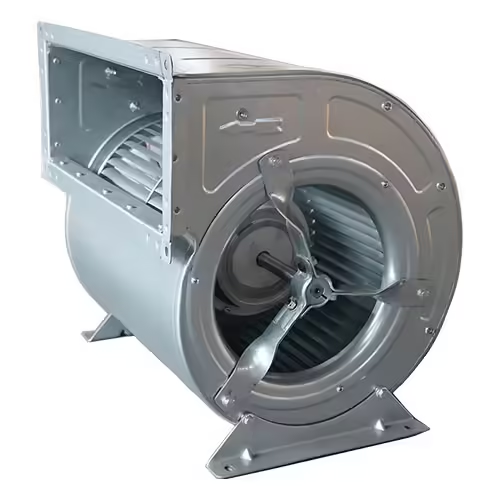
An outdoor-use centrifugal fan is specifically engineered to operate reliably in environments exposed to weather, humidity, dust, and fluctuating temperatures. These fans are vital for outdoor ventilation systems, dust extraction, HVAC installations, mining sites, agricultural facilities, outdoor workshops, and industrial areas where airflow is required outside building structures.
As a direct manufacturer, we produce outdoor-use centrifugal fans designed for durability, stable airflow, and long-term resistance to environmental stress—ensuring dependable performance across a wide range of outdoor applications.
What Makes an Outdoor-Use Centrifugal Fan Different?
Outdoor environments introduce challenges that standard indoor fans cannot handle. Outdoor-use centrifugal fans must operate under:
- Heavy rain and moisture
- High or low ambient temperatures
- Dust, sand, or debris exposure
- UV intensity and long-term sunlight
- Wind pressure or vibration
- Occasional chemical exposure depending on the site
- Continuous operation under fluctuating loads
To withstand these challenges, outdoor fans require special materials, housing structures, and protective components.
Core Engineering Features of Outdoor-Use Fans
Weatherproof Housing and Enclosure
Fans used outdoors must be equipped with:
- Anti-rust coatings
- UV-resistant finishes
- Waterproof seals
- Moisture-resistant casing (IP55–IP66 levels depending on environment)
This prevents corrosion, leaks, and performance loss.
Outdoor-Rated Motors
Outdoor centrifugal fans use:
- IP55 / IP65 / IP66 motors
- Rain shields or protective covers
- Moisture-resistant windings
- Optional cooling ducts for hot climates
These motors remain stable even during heavy rainfall or high humidity.
Corrosion-Resistant Components
Common materials include:
- Galvanized steel
- Aluminum alloy
- Stainless steel
- Anti-corrosion coated carbon steel
- Outdoor-grade powder coatings
These materials resist rust and extend service life significantly.
Reinforced Structural Supports
Outdoor installations experience strong wind pressure, so fan frames must be:
- Reinforced
- Vibration-resistant
- Anchored securely
This prevents bending or operational instability.
Sealed Bearings & Weatherproof Hardware
Outdoor bearings use:
- Double-sealed housings
- Anti-rust lubrication
- Dirt-resistant construction
This ensures long-term smooth rotation.
Outdoor vs. Indoor Centrifugal Fans: Key Differences
| Feature | Outdoor-Use Fan | Indoor Fan |
|---|---|---|
| Material | Anti-rust metals, UV-resistant coatings | Standard steel or coated materials |
| Motor Protection | High IP protection, weather shields | Standard IP ratings |
| Environmental Durability | Designed for rain, wind, dust, sunlight | Moderate durability |
| Installation Method | Outdoor brackets, reinforced bases | Standard mounts |
| Lifespan in Harsh Conditions | Long-term stable performance | Rapid wear outdoors |
| Sealing & Insulation | Waterproof & dustproof sealing | Basic sealing |
Outdoor-use fans are purpose-built to maintain airflow efficiency despite harsh conditions that damage ordinary fans.
Applications of Outdoor-Use Centrifugal Fans
Outdoor-use centrifugal fans are used across a wide range of industries that operate outside conventional facilities.
Outdoor HVAC Systems
Supports large commercial and industrial cooling systems.
Mining & Quarry Operations
Withstands dust, debris, and high working stress.
Agricultural Facilities
Handles ventilation needs for barns, greenhouses, poultry farms, and crop drying stations.
Outdoor Manufacturing Sites
Reliable airflow for open-area processes requiring dust or fume control.
Construction Zones
Supports temporary or mobile ventilation under exposed conditions.
Outdoor Workshops & Storage Rooms
Maintains airflow for safety and humidity control.
Chemical or Industrial Perimeter Ventilation
Designed to handle mild chemical exposure and weather simultaneously.
Performance Advantages of Outdoor-Use Centrifugal Fans
Choosing an outdoor-rated fan ensures:
- Long-term weather resistance
- Stable airflow under fluctuating outdoor conditions
- Reduced rust and corrosion
- Smooth performance in high humidity or rainfall
- Lower maintenance cost
- Reliable operation even in dusty or windy locations
- Improved energy efficiency with high-performance motors
These benefits make outdoor fans a smart investment for long-term industrial ventilation.
Factors to Consider When Selecting an Outdoor-Use Fan
When choosing the right fan for outdoor operation, evaluate the following technical parameters:
- Required airflow (CFM) and static pressure
- Environmental conditions (humidity, dust, rain, heat, cold)
- Material compatibility with outdoor exposure
- Motor IP rating (IP55 minimum recommended)
- Installation method (roof mount, wall mount, ground frame)
- Energy efficiency requirements
- Noise considerations
- Available space for ducting or mounting
- Whether a rain hood or protective cover is needed
- Demand for customized designs
As a manufacturer, we can tailor each fan to specific outdoor conditions and performance requirements.
Maintenance Guide for Outdoor Fans
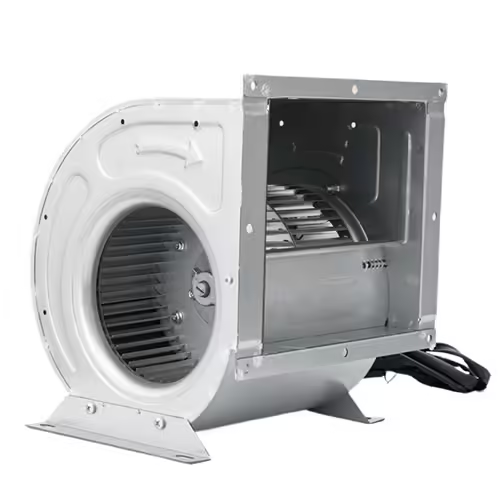
Outdoor fans face harsher environments, so maintenance must be consistent:
- Inspect anti-rust coating every 6–12 months
- Clean dust buildup from blades and housing
- Check mounting brackets for wind-related stress
- Re-lubricate bearings periodically
- Ensure motor rain covers remain sealed
- Inspect wiring for UV-related wear
- Replace worn gaskets or seals
Proper maintenance prevents weather damage and extends operational life.
Conclusion
An outdoor-use centrifugal fan is engineered to deliver safe, reliable airflow in environments where weather and environmental elements pose significant challenges. With corrosion-resistant housing, outdoor-rated motors, and reinforced structural design, these fans provide dependable performance across industrial, agricultural, and commercial outdoor applications.
As a professional manufacturer, we build outdoor centrifugal fans tailored to your environment, airflow requirements, and durability needs, ensuring long-term stability and efficiency no matter the climate.
FAQ
1. What makes a centrifugal fan suitable for outdoor use?
It must have weatherproof housing, outdoor-rated motor protection, anti-rust materials, and sealed components.
2. Can outdoor fans operate in heavy rain?
Yes—when equipped with the proper IP-rated motor and waterproof housing.
3. What materials are best for outdoor fans?
Galvanized steel, aluminum, stainless steel, and outdoor-grade coated carbon steel.
4. Do outdoor fans require more maintenance than indoor fans?
They require regular visual inspections due to weather exposure, but high-quality outdoor fans are designed for long-term durability.
5. Can outdoor fans be customized for high humidity or coastal environments?
Absolutely. We offer corrosion-resistant materials and coatings specifically for marine or high-humidity locations.