
Table of Contents
Introduction
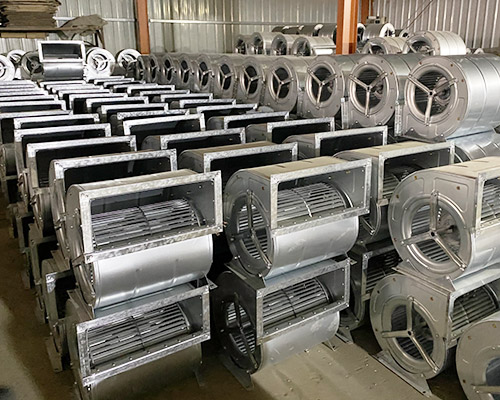
A stainless-steel centrifugal fan is widely used in industries that demand high durability, excellent corrosion resistance, and strict hygiene standards. Compared with traditional carbon-steel or coated fans, stainless-steel models offer superior structural integrity and longer service life—making them ideal for food processing, pharmaceuticals, chemical plants, marine environments, and high-humidity facilities.
What Makes Stainless Steel an Ideal Material for Centrifugal Fans?
Stainless steel is not chosen just for its appearance—it offers several critical engineering advantages that significantly improve fan performance.
Key benefits include:
- Exceptional corrosion resistance
Prevents rust and material degradation in humid or chemical-rich environments. - High structural strength
Supports stable airflow even at high pressure and continuous high-speed operation. - Hygienic and easy to clean
Ideal for industries with strict sanitation requirements. - Temperature resistance
Stainless steel maintains performance under both high and low temperatures. - Long service life
Reduced maintenance costs and fewer replacements.
Grades of Stainless Steel Used in Centrifugal Fans
Different industries require different stainless-steel compositions. Here is a quick and clear comparison:
| Stainless Steel Grade | Corrosion Resistance | Temperature Tolerance | Typical Usage |
|---|---|---|---|
| 304 SS | Medium-High | -196°C to 870°C | General ventilation, food processing |
| 316 SS | Very High | Up to 800°C | Marine, chemical plants |
| 316L SS | Extremely High | Up to 800°C | Pharmaceutical, medical-grade ventilation |
| 430 SS | Moderate | Medium | Non-corrosive, low-cost use cases |
| 904L SS | Ultra-High | High | Heavy chemical industries |
Choosing the correct grade ensures safety, efficiency, and longevity.
Structural Design Features of a Stainless-Steel Centrifugal Fan
To maintain stable performance in harsh environments, stainless steel centrifugal fans are designed with a specific set of engineering requirements:
Fully Welded Housing
Prevents leakage and strengthens structural stability.
High-Precision Stainless-Steel Impeller
Ensures smooth airflow and reduces vibration even under continuous operation.
Anti-Corrosion Motor and Mounting Base
Prevents rust around supporting components.
Hygienic Polished Surface
Helps reduce bacterial growth and makes cleaning easier.
Multi-Blade or Backward-Curved Blade Options
Available for different pressure and flow requirements.
Applications of Stainless-Steel Centrifugal Fans
These fans are ideal for sectors where hygiene, corrosion resistance, or structural strength is critical:
- Food & Beverage Plants
Withstand frequent washing, cleaning chemicals, and humid environments. - Pharmaceutical Manufacturing
Maintain sterile airflow with easy-clean surfaces. - Chemical Processing
Handle corrosive fumes and chemical vapors. - Marine & Offshore Installations
Resist salt spray and humidity. - Cold Storage & Refrigeration
Perform reliably in low temperatures. - Laboratories & Cleanrooms
Support contamination-free air handling.
Performance Advantages in Industrial Use
A stainless-steel centrifugal fan ensures:
- Stable long-term airflow performance
- Lower lifetime maintenance cost
- Improved system efficiency
- Resistance to wear, moisture, and chemical exposure
- Support for high-pressure and high-temperature airflow
- Compliance with sanitary industry standards
Choosing the Right Stainless-Steel Centrifugal Fan
To make the right selection, consider:
- Work environment(corrosive? humid? high-temperature?)
- Required airflow volume and static pressure
- Stainless-steel grade
- Impeller type(forward, backward, radial)
- Cleaning and maintenance requirements
- Installation orientation(horizontal/vertical)
- Certifications(food-grade, pharma-grade if needed)
As a manufacturer, we can provide customized stainless-steel fans based on airflow requirements, material grade, and environmental conditions.
Maintenance Guide for Stainless-Steel Fans
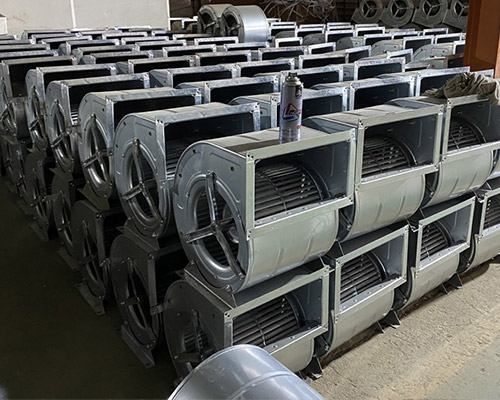
Even with stainless steel, proper maintenance extends lifespan:
- Clean the fan surface regularly to prevent buildup
- Inspect weld points for stress over time
- Check bearings and moving parts for lubrication
- Ensure motor cooling channels remain unobstructed
- Monitor vibration and noise changes
- Inspect for chemical residue that may accelerate fatigue
Conclusion
A stainless-steel centrifugal fan delivers unmatched durability, corrosion resistance, and hygiene performance, making it the preferred choice for demanding industrial environments. Whether used in food processing, pharmaceuticals, chemical plants, or marine facilities, stainless-steel fans offer reliable long-term operation with minimal maintenance.
FAQ
1. Why choose stainless steel over carbon steel?
Because stainless steel provides superior corrosion resistance and longer service life.
2. Is stainless steel suitable for high-humidity environments?
Yes—it’s one of the best materials for humid or wet conditions.
3. Can stainless-steel fans handle chemicals?
If paired with the right grade (e.g., 316 or 904L), it performs well in chemical-rich environments.
4. Are stainless-steel fans food-safe?
Yes, especially 304 and 316 stainless steel, which meet food and hygiene standards.
5. Is the cost higher than standard fans?
Yes, but the long-term savings from reduced maintenance and longer lifespan outweigh the cost.