
Table of Contents
Introduction
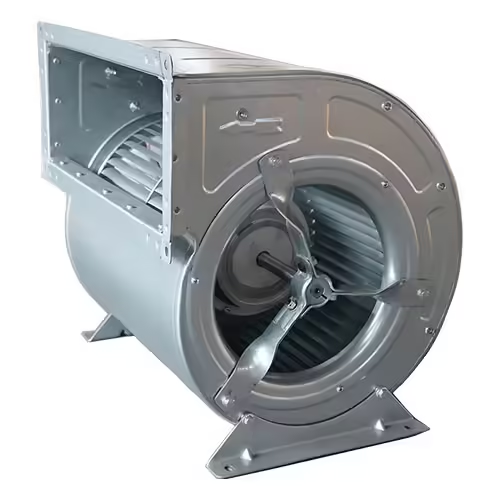
Centrifugal air blowers are essential components in a wide range of industrial applications. Unlike axial blowers that move air in a straight line, centrifugal blowers use a rotating impeller to increase the velocity of air, creating high-pressure airflow ideal for ventilation, cooling, and dust control systems. For industries that require reliable and efficient airflow, selecting a trusted centrifugal air blower supplier is crucial.
As a manufacturer, we specialize in producing high-quality centrifugal air blowers that meet international standards. Working directly with a manufacturer ensures consistency, durability, and access to customization options tailored for industrial needs.
Centrifugal air blowers are widely used in factories, warehouses, HVAC systems, and even mining operations. Understanding the technical differences and selecting the right supplier can save energy, reduce maintenance costs, and increase overall operational efficiency.
Why Choose a Direct Centrifugal Air Blower Manufacturer
Working directly with a centrifugal air blower manufacturer offers several advantages over distributors or third-party suppliers:
- Guaranteed Quality: Manufacturers oversee the entire production process, ensuring each blower meets design and performance standards.
- Customization Options: From material selection to impeller design, manufacturers can produce blowers tailored to your facility’s specific requirements.
- Cost Efficiency: Purchasing directly often reduces markup costs, allowing for more competitive pricing without compromising performance.
- Technical Support: Manufacturers provide ongoing technical guidance, installation advice, and maintenance tips for optimal performance.
These benefits are especially important for industrial facilities that rely on high-performance ventilation and air handling systems.
Types of Centrifugal Air Blowers Offered by Manufacturers
Manufacturers typically provide a range of centrifugal air blowers to suit different industrial needs. The most common types include:
- Forward Curved Blowers: Ideal for low-pressure applications and quiet operation.
- Backward Curved Blowers: Provide higher efficiency and are suitable for high-pressure systems.
- High-Pressure Centrifugal Blowers: Used in dust collection, pneumatic conveying, and other heavy-duty applications.
- Low-Pressure Industrial Blowers: Common in HVAC and general ventilation systems.
By understanding these types, buyers can select the right blower to maximize airflow efficiency and reduce energy consumption.
Industrial Applications of Centrifugal Air Blowers
Centrifugal air blowers manufactured for industrial purposes have versatile applications, including:
- Ventilation Systems: Maintaining air quality and temperature control in factories and warehouses.
- Dust Collection: Capturing airborne particles in manufacturing and processing plants.
- Cooling Systems: Removing heat from machinery, electrical panels, and industrial equipment.
- Air Pollution Control: Managing emissions and ensuring compliance with environmental standards.
Choosing a reliable supplier ensures that the blower is suited to your facility’s specific application, reducing downtime and operational risks.
Key Features to Look for in a Centrifugal Air Blower Supplier
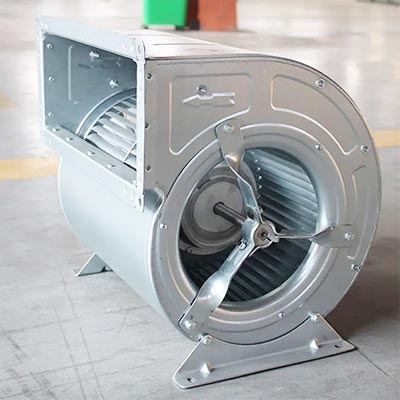
When selecting a centrifugal air blower supplier, consider the following critical features:
- Performance Ratings: Ensure the blower meets your required airflow, pressure, and efficiency specifications.
- Material Quality: High-grade steel or aluminum construction improves durability and longevity.
- Energy Efficiency: Modern blowers reduce energy consumption while maintaining performance.
- After-Sales Support: Technical guidance, installation assistance, and maintenance services are essential for industrial operations.
- Customization Capabilities: A manufacturer should provide tailored solutions to meet specific industrial requirements.
Below is a simple comparison table illustrating common blower specifications for industrial applications:
| Blower Type | Max Airflow (CFM) | Max Pressure (Pa) | Typical Applications |
|---|---|---|---|
| Forward Curved | 12,000 | 1,200 | HVAC, Low-Pressure Ventilation |
| Backward Curved | 10,000 | 2,500 | High-Pressure Ventilation, Dust Collection |
| High-Pressure | 8,000 | 4,000 | Pneumatic Conveying, Industrial Dust Control |
| Low-Pressure | 15,000 | 800 | General Ventilation, Cooling Systems |
This table helps decision-makers quickly evaluate which blower type matches their industrial requirements.
How to Maintain and Optimize Your Centrifugal Air Blower
Proper maintenance ensures that centrifugal air blowers operate efficiently and have a long service life. Key maintenance practices include:
- Regular inspection of impellers, bearings, and housing for wear or damage.
- Lubrication of moving parts according to manufacturer guidelines.
- Cleaning air filters and ducts to prevent airflow obstruction.
- Monitoring vibration and noise levels to detect early signs of mechanical issues.
- Implementing scheduled performance testing to optimize efficiency.
Following these practices can reduce energy consumption, prevent costly repairs, and extend the lifespan of your industrial blower.
Cost Considerations and Supplier Selection Tips
When evaluating centrifugal air blower suppliers, price is important but should be balanced with quality and service. Consider the following:
- Total Cost of Ownership: Factor in maintenance, energy consumption, and expected lifespan.
- Bulk Orders: Manufacturers often provide discounts for large purchases.
- OEM Options: Custom solutions may justify higher upfront costs with long-term efficiency gains.
- Supplier Reputation: Look for certifications, client references, and proven track records.
By carefully evaluating suppliers, industrial buyers can ensure they receive reliable, high-performance blowers that meet both technical and budgetary requirements.
Emerging Trends in Centrifugal Air Blower Technology
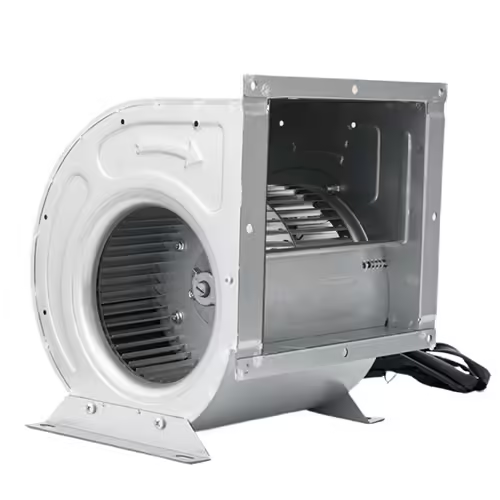
The centrifugal air blower industry is evolving with innovations that improve performance and sustainability:
- Energy-Saving Designs: New impeller shapes and materials reduce power consumption.
- Smart Controls: IoT-enabled blowers allow real-time monitoring and predictive maintenance.
- Environmental Compliance: Modern blowers are designed to meet stricter emission and noise standards.
- High-Performance Materials: Advanced alloys and coatings increase durability and reduce wear.
Staying informed about these trends allows manufacturers and industrial buyers to select blowers that provide long-term value and efficiency.
Conclusion
Partnering with a trusted centrifugal air blower manufacturer provides numerous benefits, including high-quality performance, energy efficiency, and technical support. By selecting the right supplier and blower type, industrial facilities can optimize ventilation, reduce maintenance costs, and achieve long-term operational efficiency.
For manufacturers and industrial buyers seeking reliable, customized solutions, working directly with a centrifugal air blower supplier ensures access to the latest technology, expert guidance, and consistent product quality. Contact a reputable manufacturer today to discuss your facility’s specific requirements and receive a tailored solution.
FAQ
Q1: How do I choose the right centrifugal air blower for my facility?
A: Consider airflow requirements, system pressure, application type, and energy efficiency. A direct manufacturer can provide technical guidance for optimal selection.
Q2: What industries most commonly use centrifugal air blowers?
A: HVAC, manufacturing, mining, chemical processing, and food processing industries are major users.
Q3: Can manufacturers provide customized centrifugal air blowers?
A: Yes, most reputable manufacturers offer customization options including impeller design, materials, and performance specifications.