
Table of Contents
A fan filter unit (FFU) is a critical component in modern cleanroom air filtration systems. Whether you operate in pharmaceuticals, semiconductor manufacturing, electronics, or medical laboratories, selecting the right fan filter unit directly impacts air cleanliness, operational efficiency, and long-term operating costs.
As a professional fan filter unit manufacturer, we understand that buyers are not only looking for performance, but also reliability, compliance, and value. This guide explains how fan filter units work, where they are used, and how to choose the right FFU for your cleanroom project.
What Is a Fan Filter Unit (FFU)?
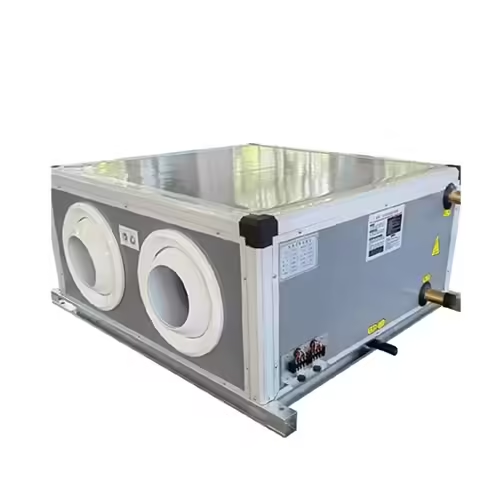
An FFU is a compact air filtration module that integrates a fan and a high-efficiency filter into a single unit. It is commonly installed in cleanroom ceilings to deliver filtered air directly into controlled environments.
Definition and Basic Function
The main purpose of an FFU system is to supply clean, uniform airflow while removing airborne particles that could compromise sensitive processes. Independent operation allows precise airflow control across different cleanroom zones.
How It Works in a Cleanroom
Ambient air is drawn into the unit, passes through a high-efficiency filter, and is distributed downward into the cleanroom. This creates positive pressure and helps prevent external contaminants from entering the workspace.
Key Components of an FFU System
Understanding the internal structure helps buyers evaluate quality and reliability.
Fan Motor and Control System
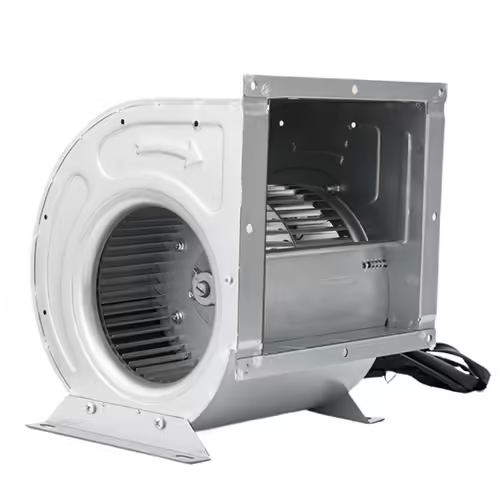
Modern systems often use EC motors for better energy efficiency, quieter operation, and precise airflow adjustment compared to traditional AC motors.
HEPA and ULPA Filter Options
Different filtration grades are available depending on cleanliness requirements. HEPA filters are widely used in most industrial cleanrooms, while ULPA filters are selected for ultra-high purity environments.
Housing and Structural Design
Durable housings made from stainless steel or coated steel ensure airtight sealing, corrosion resistance, and easy maintenance over long service life.
Cleanroom Applications Across Industries
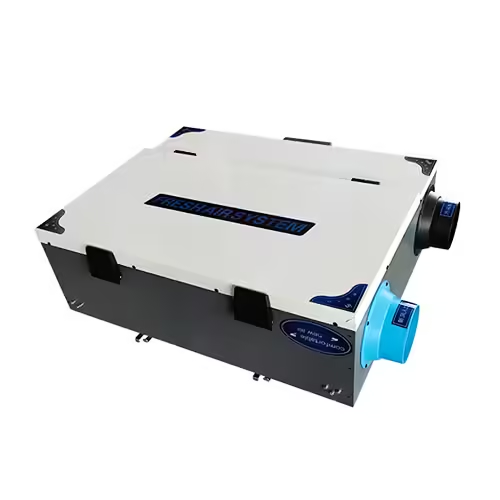
FFU-based filtration systems are widely adopted in environments that require strict contamination control.
Pharmaceutical Production
In GMP-compliant facilities, these systems help control particles and microorganisms during manufacturing and packaging processes.
Semiconductor and Electronics Manufacturing
High-precision industries rely on stable airflow and efficient filtration to protect sensitive components from microscopic contamination.
Laboratories and Medical Facilities
Hospitals and research laboratories use ceiling-mounted filtration units to maintain clean and safe working conditions.
Key Specifications to Consider Before Buying
Selecting the right system requires evaluating several technical parameters.
Airflow and Coverage
Correct airflow calculation ensures adequate air changes and uniform distribution throughout the cleanroom.
Filtration Efficiency and Cleanroom Class
Different ISO cleanroom classifications require different filter performance levels, which directly influence system configuration.
Noise and Energy Consumption
Low-noise operation improves working comfort, while energy-efficient design helps reduce long-term operating costs.
HEPA vs ULPA Filtration: A Practical Comparison
| Feature | HEPA System | ULPA System |
|---|---|---|
| Filtration Efficiency | 99.97% @ 0.3 μm | 99.9995% @ 0.12 μm |
| Typical Use | Pharma, food, electronics | Semiconductor, advanced labs |
| Initial Investment | Moderate | Higher |
| Maintenance Cost | Lower | Higher |
The right choice depends on cleanliness requirements, risk level, and budget.
How to Choose a Reliable Manufacturer
Partnering with a capable supplier is essential for long-term success.
Technical Capability and Experience
An experienced manufacturer can provide engineering support, stable quality, and proven solutions for different industries.
Quality Control and Certifications
Look for suppliers that follow international standards and perform airflow, noise, and filtration testing before delivery.
Customization Capability
Direct manufacturers can tailor dimensions, airflow capacity, voltage, and control systems to match your cleanroom layout.
Installation and Maintenance Considerations
Proper installation and routine maintenance ensure consistent performance.
Installation Methods
Units can be integrated into ceiling grids or modular cleanroom systems depending on project requirements.
Filter Replacement and Maintenance
Scheduled inspection and filter replacement help maintain airflow stability and filtration efficiency over time.
Price Factors and Buying Tips
What Influences Cost?
Pricing is affected by motor type, filtration grade, housing material, and customization requirements.
How to Get Better Value
Working directly with a factory helps reduce procurement costs, improve communication, and ensure faster technical support.
Why Work Directly with a Manufacturer?
Buying from a source manufacturer offers clear advantages:
- Competitive factory pricing
- Flexible customization
- Stable production lead times
- Reliable after-sales support
These benefits are especially valuable for large or long-term cleanroom projects.
Common Operational Issues and Solutions
Typical issues include airflow imbalance, increased noise, or reduced filtration efficiency. Professional manufacturers address these risks through optimized design and strict quality control during production.
Conclusion
Fan filter units are essential for maintaining cleanroom air quality in industries such as pharmaceuticals, semiconductors, and medical manufacturing. Choosing the right fan filter unit involves evaluating airflow performance, filtration efficiency, energy consumption, and long-term reliability.
As an experienced fan filter unit manufacturer, we provide high-efficiency, low-noise, and customizable FFU solutions designed to meet international cleanroom standards. By working directly with a trusted manufacturer, you gain better performance, lower total cost, and dependable technical support.
Contact us today to discuss your cleanroom requirements and receive a customized fan filter unit solution tailored to your project.
FAQ
What is a fan filter unit used for?
A fan filter unit is used to supply clean, filtered air in controlled environments such as cleanrooms, laboratories, and pharmaceutical facilities, helping maintain required air cleanliness levels.
How do I choose the right fan filter unit for my cleanroom?
The right unit depends on airflow requirements, filtration efficiency (HEPA or ULPA), cleanroom classification, and the overall layout of your facility. Consulting a manufacturer can help ensure proper selection.
What is the difference between HEPA and ULPA fan filter units?
HEPA units are suitable for most industrial cleanrooms, while ULPA units offer higher filtration efficiency for ultra-clean environments such as semiconductor manufacturing.
How often should a fan filter unit filter be replaced?
Filter replacement frequency depends on operating conditions, airflow load, and contamination levels, but regular inspection is recommended to maintain stable performance.
Why buy fan filter units directly from a manufacturer?
Buying directly from a manufacturer offers better pricing, customization options, technical support, and reliable quality control compared to purchasing through intermediaries.
Need Help Choosing the Right Fan Filter Unit?
If you’re unsure which FFU is best for your cleanroom or application, our experts are here to help. Contact us today for a personalized consultation and get a high-performance, energy-efficient solution tailored to your project requirements. Don’t compromise on cleanroom air quality—get in touch now and ensure reliable, compliant, and long-term performance.