
Table of Contents
Proper air circulation is a fundamental requirement in modern industrial and commercial environments. Effective airflow management improves indoor conditions, supports productivity, and helps facilities meet safety and environmental standards. A well-engineered industrial air solution plays a crucial role in controlling temperature, humidity, and airborne contaminants.
As a professional manufacturer specializing in industrial air handling equipment, we design and supply reliable systems for factories, warehouses, and large commercial buildings worldwide. This guide explains how these systems function, how to select the right configuration, and why choosing an experienced supplier directly affects long-term performance and operating costs.
What Is a Ventilation Unit?
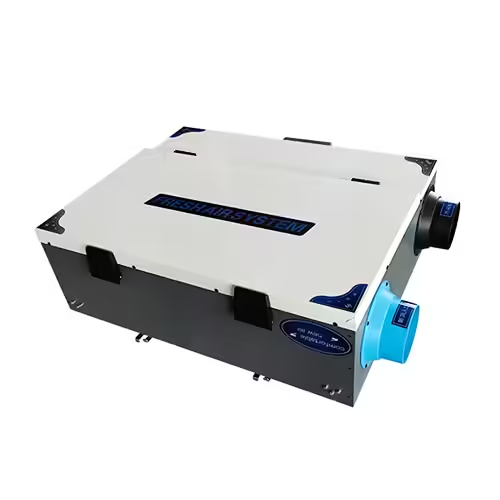
A ventilation unit is a mechanical system designed to introduce fresh outdoor air into enclosed spaces while removing stale or polluted indoor air. In industrial and commercial applications, such systems help manage heat, moisture, dust, odors, and potentially harmful gases produced during daily operations.
Compared with basic exhaust fans, industrial-grade air circulation equipment is built for higher airflow capacity, continuous operation, and challenging environments. These systems are commonly integrated into HVAC setups or installed independently to support large-scale air management requirements.
How Does an Industrial Ventilation System Work?
Air Intake, Filtration, and Exhaust Process
Industrial air handling systems operate by drawing outside air into the unit, filtering impurities, and distributing clean air throughout the building. At the same time, contaminated air is extracted and discharged outdoors. This balanced airflow process helps stabilize indoor conditions and maintain consistent air quality.
Continuous air exchange also supports temperature regulation and prevents excessive humidity buildup.
Key Components of an Industrial Air Handling System
A typical system includes a high-efficiency fan, electric motor, filtration section, control components, and a durable enclosure. Each part influences airflow performance, energy consumption, and noise levels. For industrial environments, robust construction and precise engineering are essential for reliable long-term operation.
Types of Industrial Ventilation Solutions
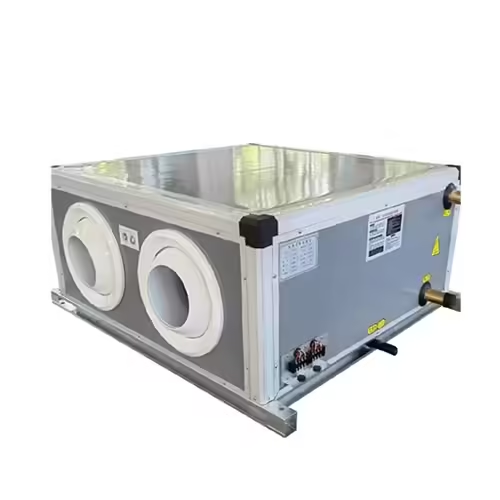
Supply Air Systems
Supply-focused systems deliver fresh air into indoor spaces, helping maintain positive pressure and stable air quality.
Exhaust Air Systems
Exhaust systems remove hot, contaminated, or moisture-laden air and are widely used in workshops and production areas.
Balanced Airflow Systems
Balanced designs combine supply and exhaust functions to ensure controlled airflow throughout the facility.
Heat Recovery Air Systems
Energy-efficient designs with heat recovery transfer thermal energy between incoming and outgoing air streams, reducing heating and cooling demand.
Key Benefits of Industrial Airflow Management Systems
Well-designed industrial airflow solutions offer multiple advantages:
- Improved indoor air quality for employees and equipment
- Effective control of heat, humidity, dust, and odors
- Enhanced workplace comfort and operational efficiency
- Reduced energy consumption through optimized airflow
- Support for safety, environmental, and building regulations
Investing in a properly engineered system helps protect people, equipment, and building infrastructure.
Industrial Applications Across Different Sectors
Manufacturing Plants and Factories
Production environments generate heat, fumes, and airborne particles. Effective air circulation helps maintain safe working conditions and stable processes.
Warehouses and Logistics Centers
Large-volume spaces require high-capacity airflow systems to ensure even air distribution while minimizing energy loss.
Commercial Buildings
Office buildings, shopping centers, and public facilities depend on consistent air movement to maintain occupant comfort and healthy indoor environments.
Clean Rooms and Controlled Spaces
In controlled environments, advanced filtration and precise airflow control help meet strict air quality requirements.
How to Choose the Right Ventilation Unit for Your Project
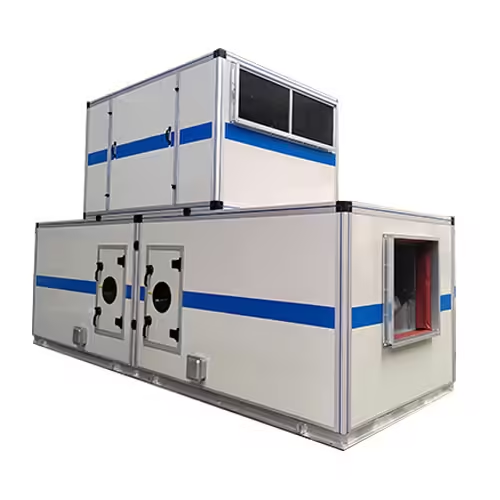
Airflow Capacity and Space Requirements
Correct airflow design depends on building size, ceiling height, occupancy levels, and required air change rates. Accurate calculations ensure effective air exchange without unnecessary oversizing.
Energy Efficiency and Noise Considerations
Energy-efficient motors and aerodynamic designs reduce operating costs, while low-noise operation improves comfort in occupied spaces.
Environmental and Operating Conditions
Temperature extremes, humidity levels, dust concentration, and corrosive substances should all be considered when selecting system materials and configurations.
Technical Specifications to Evaluate Before Purchase
Understanding technical parameters helps buyers make informed decisions.
| Specification | Description |
|---|---|
| Airflow Capacity (CFM) | Total volume of air handled |
| Power Consumption | Influences energy efficiency |
| Noise Level | Affects workplace comfort |
| Filtration Performance | Determines air cleanliness |
| Control Options | Manual or automated operation |
| Housing Material | Impacts durability and service life |
Matching these specifications with project requirements ensures reliable performance and regulatory compliance.
Custom Air Handling Solutions from an Experienced Manufacturer
Standard configurations may not suit every project. As an experienced ventilation unit manufacturer, we provide customized air handling solutions tailored to specific airflow demands, spatial constraints, and environmental conditions.
OEM and ODM services offer flexibility in system dimensions, motor selection, filtration levels, control methods, and enclosure materials. Custom-built solutions are particularly valuable for complex industrial and commercial projects.
Why Partner with a Professional Ventilation Equipment Manufacturer
Working with an established manufacturer ensures stable production capacity, consistent quality control, and professional technical support. Reliable suppliers also assist with international standards compliance and provide long-term after-sales service.
These advantages help reduce operational risks and ensure dependable system performance throughout the equipment lifecycle.
Common Issues Solved by Industrial Air Systems
Poor Indoor Air Quality
Continuous air exchange improves safety and working conditions.
Excess Heat and Humidity
Efficient airflow helps regulate temperature and moisture levels.
Dust, Odors, and Harmful Gases
Proper extraction removes airborne contaminants effectively.
High Energy Consumption
Optimized system design reduces unnecessary energy loss.
Installation, Maintenance, and Long-Term Reliability
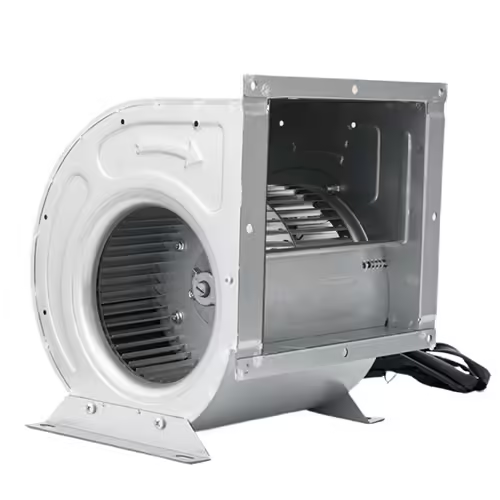
Installation Considerations
Correct installation is critical for system efficiency. Duct layout, mounting position, and electrical connections should follow professional guidelines.
Routine Maintenance Practices
Regular inspection, filter replacement, and cleaning help maintain consistent airflow performance.
Extending Equipment Service Life
Proper maintenance improves efficiency, reduces downtime, and extends overall service life.
Conclusion: Choose the Right Ventilation Unit for Efficient and Reliable Air Management
Selecting the right ventilation unit is essential for maintaining healthy indoor environments and efficient operations in industrial and commercial facilities. Understanding system design, performance requirements, and application conditions leads to better long-term outcomes.
As a professional ventilation unit manufacturer, we provide reliable, energy-efficient, and customizable air management solutions for global projects. Whether you need standard systems or tailored configurations, our team is ready to support your application.
Looking for a trusted ventilation unit supplier or manufacturer? Contact us today to discuss your project and receive a customized solution.
FAQ
What is a ventilation unit used for?
A ventilation unit is used to supply fresh air and remove stale or polluted air in industrial and commercial buildings. It helps control temperature, humidity, and airborne contaminants to improve indoor air quality.
How do I choose the right ventilation unit for my building?
The right solution depends on building size, airflow requirements, operating environment, and energy efficiency goals. Working with an experienced manufacturer helps ensure proper system selection and long-term performance.
Are ventilation units suitable for industrial applications?
Yes. Industrial-grade systems are designed for continuous operation, high airflow capacity, and demanding environments such as factories, warehouses, and production facilities.
Can ventilation units be customized for specific projects?
Yes. Professional manufacturers can provide custom configurations based on airflow capacity, filtration level, control options, and installation requirements to match specific project needs.
Why should I buy ventilation units directly from a manufacturer?
Buying directly from a manufacturer ensures better quality control, technical support, and flexible customization options, while also reducing overall project costs and lead times.
Need Help Choosing the Right Ventilation Unit?
If you’re unsure which ventilation unit is best for your building or industrial application, our experts are here to help. As an experienced ventilation unit manufacturer, we offer professional guidance and customized solutions tailored to your specific requirements. Contact us today for a personalized consultation and ensure your air management system is efficient, reliable, and compliant with industry standards. Don’t wait—get in touch now to create a healthier and more productive environment for your facility!