
Table of Contents
In HVAC systems, reliable airflow is essential for stable cooling performance and energy efficiency. One of the key components responsible for this airflow is the fan motor used inside air conditioning equipment. Selecting the correct motor affects system efficiency, noise level, and long-term operational stability.
As a professional HVAC motor manufacturer, we support equipment brands, distributors, and contractors with high-quality, customizable motor solutions designed for residential, commercial, and industrial cooling systems. This guide explains motor types, technical specifications, application scenarios, and key factors buyers should consider when sourcing from a manufacturer.
What Is an Air Conditioning Fan Motor?
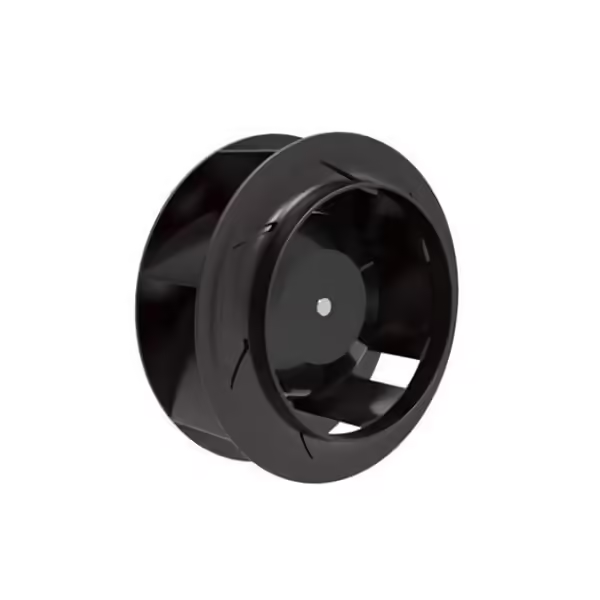
A fan motor in an air conditioning system is designed to drive the fan blades that circulate air across condenser and evaporator coils. This airflow enables effective heat transfer and supports consistent system performance.
Basic Function in HVAC Systems
The motor ensures continuous air movement, helping remove heat during operation and preventing system overheating.
Role of Fan Motors in System Performance
Motor stability directly impacts cooling efficiency, airflow balance, and equipment lifespan, especially in commercial and industrial environments.
Difference Between Fan Motors and Compressor Motors
While compressors manage refrigerant flow, fan motors focus on air circulation. Both components must work together for optimal HVAC operation.
How the Fan Motor Works in HVAC Equipment
Fan motors convert electrical energy into mechanical rotation, driving airflow through the system.
Airflow and Heat Dissipation
Proper air movement allows heat to be released efficiently, improving cooling output and reducing energy loss.
Speed, Torque, and RPM
Motor speed and torque determine airflow volume and stability under load, which is critical for larger HVAC units.
Electrical Power and Voltage
Common voltage options include 110V, 220V, and 380V, available in single-phase or three-phase configurations depending on system requirements.
Types of Fan Motors Used in Air Conditioning Systems
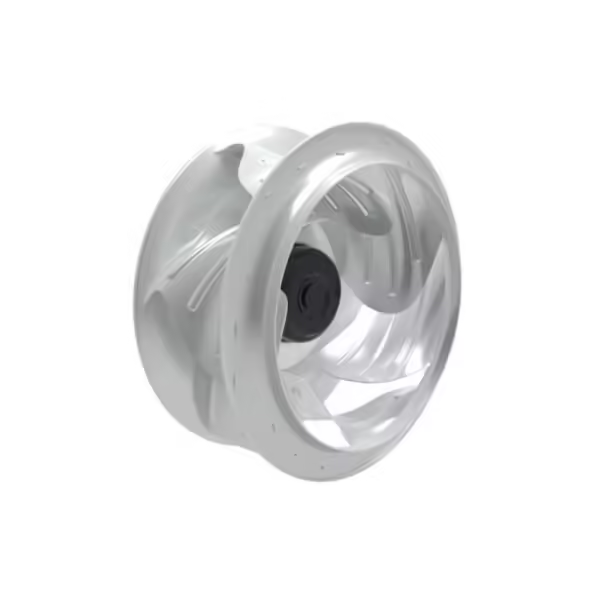
Different motor technologies serve different efficiency and control needs.
PSC Motors
Permanent Split Capacitor motors are widely used due to their simple design, reliability, and cost efficiency.
EC Motors
Electronically Commutated motors provide variable speed control and improved energy efficiency, making them suitable for modern HVAC designs.
AC and DC Motor Options
AC motors are known for durability, while DC motors offer precise control and reduced power consumption.
Single-Phase and Three-Phase Motors
Single-phase designs are common in residential units, whereas three-phase motors are preferred for commercial and industrial systems.
Key Specifications to Consider When Selecting a Fan Motor
Understanding technical parameters helps ensure proper system matching.
Power Rating
Power output must align with airflow demand to maintain efficiency and prevent overheating.
Voltage and Frequency
Electrical compatibility is essential for safe and stable operation.
Speed and Airflow Requirements
Correct RPM selection ensures balanced airflow across coils.
Energy Efficiency
High-efficiency motors help reduce operating costs and support energy-saving HVAC solutions.
Mounting and Shaft Design
Mechanical compatibility simplifies installation and maintenance.
Typical Motor Specifications Overview
| Specification | Common Range | Notes |
|---|---|---|
| Voltage | 110V / 220V / 380V | Regional compatibility |
| Phase | Single / Three | System size dependent |
| Power | 1/8 HP – 2 HP | Custom options available |
| Speed | 700 – 1800 RPM | Based on airflow needs |
| Motor Type | PSC / EC / AC / DC | Efficiency and control |
Applications in HVAC Systems
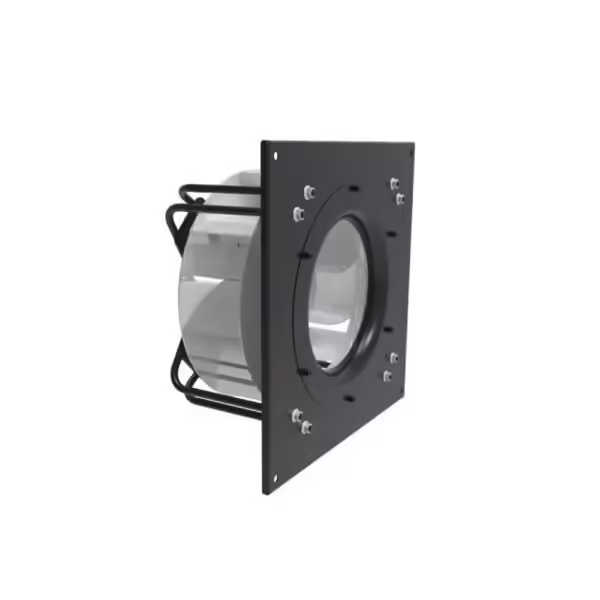
Fan motors are widely used across different cooling and ventilation systems.
Residential Air Conditioning
Designed for quiet operation and daily use.
Commercial HVAC Systems
Require stable performance and higher durability.
Industrial Cooling and Ventilation
Built for continuous operation and demanding environments.
Central and Packaged Units
Support consistent airflow in large-scale installations.
Common Motor Issues and Replacement Considerations
Understanding typical problems helps reduce downtime.
Overheating and Noise
Often linked to incorrect sizing or long operating hours.
Motor Not Running
May result from electrical faults or component wear.
Signs of Failure
Vibration, inconsistent speed, and increased energy use.
Repair or Replacement
In many cases, replacing the motor improves reliability and efficiency.
How to Choose the Right Motor for Your HVAC System
Proper selection ensures long-term system stability.
Matching Specifications
Power, speed, and voltage should align with system design.
Efficiency Considerations
Energy-efficient motors reduce operating costs.
Operating Environment
Temperature, humidity, and duty cycle affect motor choice.
Standards and Compliance
Certified products ensure safety and global market compatibility.
Why Source Fan Motors Directly from a Manufacturer
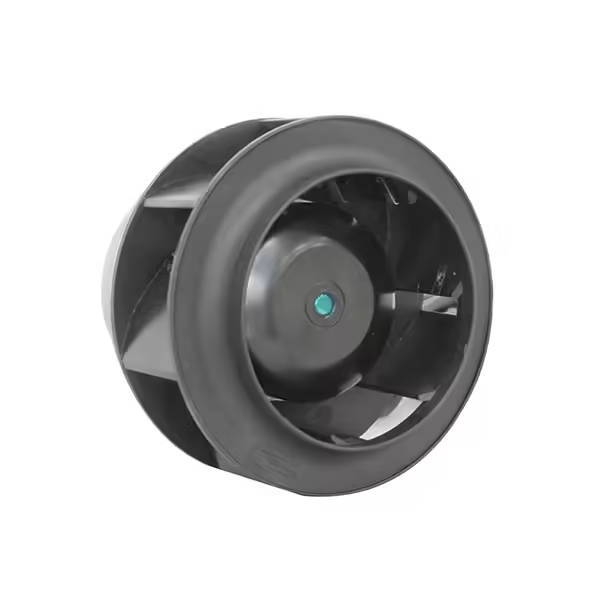
Direct sourcing offers long-term value for HVAC businesses.
OEM Customization
Voltage, speed, mounting, and shaft dimensions can be tailored.
Quality Control
Each unit undergoes performance and durability testing.
Cost and Supply Stability
Factory-direct pricing and reliable production capacity.
Technical Support
Engineering assistance ensures smooth integration.
Custom OEM Motor Solutions
We provide flexible OEM services for HVAC manufacturers.
Design Customization
Support for performance and structural adjustments.
Branding Options
Private labeling and packaging solutions available.
Order Flexibility
Reasonable MOQs and stable lead times.
Quality Standards and Certifications
Manufacturing quality ensures consistent performance.
ISO Production Systems
Strict process control and traceability.
International Certifications
Compliance with CE, UL, and other standards.
Performance Testing
Each motor is tested for efficiency, noise, and durability.
Conclusion
Selecting the right fan motor is essential for achieving efficient airflow, stable cooling performance, and long service life in HVAC systems. Factors such as motor type, specifications, operating environment, and efficiency all play a role in long-term reliability.
As an experienced manufacturer, we offer dependable and customizable motor solutions for residential, commercial, and industrial HVAC applications. Whether you require standard models or OEM-designed products, our team is ready to provide technical support and competitive manufacturing solutions tailored to your needs.
If you are looking for a reliable motor supplier for your HVAC equipment, feel free to contact us for technical consultation or a customized quotation.
FAQ
What does an air conditioning fan motor do?
An air conditioning fan motor drives the fan blades to circulate air through the HVAC system, helping dissipate heat and maintain efficient cooling performance.
How do I choose the right air conditioning fan motor?
To choose the right air conditioning fan motor, consider voltage, power rating, motor type, speed (RPM), and the specific application requirements of your HVAC system.
What is the difference between PSC and EC air conditioning fan motors?
PSC motors are cost-effective and widely used, while EC air conditioning fan motors offer higher energy efficiency, variable speed control, and lower operating costs.
When should an air conditioning fan motor be replaced?
An air conditioning fan motor should be replaced if it shows signs of overheating, unusual noise, unstable speed, or frequent system shutdowns.
Can air conditioning fan motors be customized by manufacturers?
Yes, professional manufacturers can provide OEM air conditioning fan motors with customized voltage, speed, shaft size, mounting design, and branding options.
Need Help Choosing the Right Air Conditioning Fan Motor?
If you’re unsure which fan motor best fits your HVAC system or application, our experienced engineering team is here to help. As a professional manufacturer, we provide technical guidance, OEM customization, and reliable motor solutions tailored to your needs. Contact us today for a personalized consultation and competitive quotation. Don’t compromise on performance and efficiency—get in touch now and power your HVAC system with confidence.