
Welcome to My Blog!
Before we dive into the content, if you’re interested in our products or have any questions, please feel free to visit our Contact Us page on the website. Our team is ready to assist you with inquiries, orders, or any support you may need.
Now, let’s get started on our journey together. I hope you find the content here insightful, engaging, and valuable.
Table of Contents
As a facilities manager, building owner, or HVAC professional, you’ve likely encountered the term commercial air handler unit in project specs and service discussions. But do you truly understand how these systems shape your indoor environment, influence operational costs, and deliver long‑term value?
In this comprehensive article, you’ll discover actionable insights, real‑world examples, and data‑driven guidance that helps you make informed choices—from selection and installation to maintenance and optimization.
What Is a Commercial Air Handler Unit and Why It Matters?

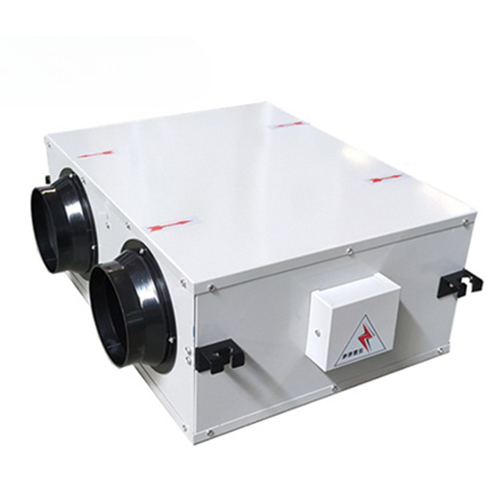
At its core, a commercial air handler unit (AHU) is the central component of a building’s HVAC system. It conditions and circulates air throughout your facility, connecting to ductwork, chillers, boilers, and ventilation components.
An AHU typically contains:
| Component | Function |
|---|---|
| Fan or Blower | Moves air through the system |
| Coils (Heating/Cooling) | Adjusts air temperature |
| Filters | Removes dust and particulates |
| Dampers | Regulate airflow and balance zones |
| Controls | Automates performance and integration |
If you’re responsible for tenant comfort, energy costs, or indoor air quality (IAQ), the AHU is one of the most strategic pieces of equipment you’ll manage.
Why It Matters:
- Indoor Air Quality: Filters and ventilation settings directly impact occupant health.
- Energy Performance: Air handlers can account for a significant portion of HVAC energy consumption in commercial buildings, especially large offices, hospitals, or manufacturing floors.
- Maintenance Costs: Poor design or neglect leads to frequent repairs or premature replacement.
For further foundational understanding of HVAC systems including AHUs, check resources like the ASHRAE Handbook (https://www.ashrae.org/technical-resources/ashrae-handbook).
Commercial AHU Types and How to Choose the Right One
Not all air handler units are created equal. Your choice should reflect your building’s needs, climate, occupancy, and performance goals.
Common Commercial AHU Configurations
| Type | Best Use Case | Key Advantage |
|---|---|---|
| Rooftop AHUs (RTUs) | Retail centers, warehouses | Weather protection + space saving |
| Indoor AHUs | High‑rise offices, hospitals | Better environmental control |
| Energy Recovery AHUs | Schools, hospitals | Lower ventilation energy costs |
| Packaged AHUs | Medium size buildings | Simplified installation |
Each type can be customized with options like variable frequency drives (VFDs), advanced filtration, and integrated controls.
Factors to Help You Decide
- Building size and layout
- Ventilation requirements (ASHRAE 62.1 Standards)
- Climate conditions
- Budget constraints (initial vs operating cost)
- Regulatory compliance (e.g., local building codes)
For example, in a coastal climate with high humidity, you might prioritize units with superior dehumidification and corrosion‑resistant components.
For technical guidelines on ventilation design, refer to the EPA Indoor Air Quality Tools for Schools (https://www.epa.gov/iaq‑tools‑for‑schools).
Case Study: AHU Retrofit That Slashed Energy Costs by 23%

Scenario Overview
A mid‑size corporate campus experienced rising HVAC energy costs and inconsistent comfort levels. The original AHUs were 15+ years old, lacked variable speed drives, and utilized outdated filters.
Solution Strategy
- Assessment: Conducted an energy audit and airflow analysis.
- Equipment Upgrade: Replaced old units with AHUs featuring VFDs, high‑efficiency coils, and MERV 13 filtration.
- Control Integration: Connected the AHUs to a building automation system (BAS) with schedule and occupancy‑based control.
Results After 12 Months
| Metric | Before | After |
|---|---|---|
| Annual HVAC Energy Use | 1,200,000 kWh | 924,000 kWh |
| Energy Savings | — | 23% reduction |
| Indoor Air Quality Complaints | High | Low |
| Filter Replacement Frequency | Monthly | Quarterly |
This example shows how smart upgrades—not just equipment swaps—can impact both operating cost and tenant satisfaction.
You can explore more about energy modeling tools like EnergyPlus (https://energyplus.net/) for your planning.
Designing for Indoor Air Quality (IAQ) and Healthier Spaces
Your AHU doesn’t just move air—it conditions it.
In recent years, a stronger focus on air quality has emerged due to respiratory health concerns. You should evaluate:
- Filter Efficiency (MERV Ratings): A MERV 13 or higher rating captures finer particles compared to standard filters.
- Ventilation Rates: Follow ASHRAE’s recommended outdoor air per occupant (e.g., office, classroom, healthcare).
- Humidity Control: Avoid conditions that promote mold or discomfort.
Tip: Use real‑time air quality sensors to validate performance and trigger adjustments through your BAS.
For measurement standards and compliance insight, see CDC Guidelines on Ventilation in Buildings (https://www.cdc.gov/coronavirus/2019‑ncov/community/ventilation.html).
Maintenance Best Practices: Prevent Issues Before They Start
Regular, documented maintenance is the backbone of AHU longevity.
Routine Tasks That Deliver Big ROI
| Task | Frequency | Why It Matters |
|---|---|---|
| Check & Replace Filters | Monthly to Quarterly | Prevents coil fouling & airflow restriction |
| Inspect Coils | Biannual | Ensures heat transfer efficiency |
| Clean Drain Pans & Lines | Quarterly | Reduces microbial growth |
| Verify Belt & Pulley Tension | Monthly | Prevents fan inefficiencies |
| Test Sensors & Controls | Quarterly | Ensures accurate automation |
Neglected air handlers can cause:
- Higher energy use
- Increased repair costs
- Poor occupant comfort
Many facilities now use predictive maintenance driven by BAS and sensor analytics to schedule maintenance when performance metrics actually indicate need.
Common Pitfalls and How to Avoid Them
❌ Mistake: Selecting AHUs based solely on upfront cost
✅ Better Approach: Consider life‑cycle cost—energy, maintenance, downtime.
❌ Mistake: Oversized equipment
✅ Better Approach: Load‑based sizing using industry tools (e.g., DOE2 or ASHRAE load calculation methods).
❌ Mistake: Ignoring ventilation standards
✅ Better Approach: Comply with ASHRAE 62.1 and local code requirements.
FAQ
What is the ideal filter rating for a commercial AHU?
In most commercial spaces, a MERV 13 or higher is recommended for improved particulate capture. Always verify compatibility with your fan capacity.
How often should I perform a full AHU inspection?
At a minimum, inspect quarterly. In high‑use environments, monthly checks may be necessary.
Can I upgrade existing AHUs to improve efficiency?
Yes! Adding VFDs, better controls, and advanced filters are common retrofit strategies.
How does poor AHU design impact tenant comfort?
Imbalanced airflow, poor filtration, or inadequate ventilation can cause hot/cold spots, odors, and complaints.
Are there tools to model AHU performance before installation?
Yes—software like EnergyPlus and methodologies from ASHRAE provide accurate load estimates.