
Welcome to My Blog!
Before we dive into the content, I’d love for you to join me on my social media platforms where I share more insights, engage with the community, and post updates. Here’s how you can connect with me:
Facebook:https://www.facebook.com/profile.php?id=61574802150296
Now, let’s get started on our journey together. I hope you find the content here insightful, engaging, and valuable.
Table of Contents
Introduction
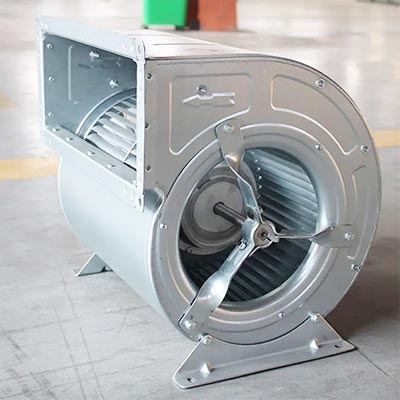
An air conditioning fan is a critical component of any HVAC system. It’s responsible for circulating conditioned air throughout your home or building, ensuring consistent and comfortable temperatures. Selecting the right air conditioning blower fan or an air conditioning fan is essential for optimal performance, energy efficiency, and longevity of your HVAC system. This guide will provide comprehensive insights into the factors to consider when choosing an air conditioning fan, helping you make an informed decision.
Understanding Your Air Conditioning Fan
What is an Air Conditioning Fan?
An air conditioning fan is the component responsible for circulating air through your AC system. It ensures that cooled or heated air reaches all areas efficiently, affecting comfort and energy usage.
How Fans Affect Energy Efficiency
A well-maintained fan can reduce energy costs significantly. Neglected fans may cause higher electricity bills due to increased strain on the system.
9 Practical Tips for an Air Conditioning Fan
Tip 1 – Regular Cleaning
Dust and debris reduce airflow and efficiency. Cleaning the blades and filters at least every 2–3 months keeps the system operating optimally.
Tip 2 – Inspect Fan Motors
Check for unusual sounds or vibrations. A smooth-running motor extends the life of your fan and ensures consistent performance.
Tip 3 – Lubricate Moving Parts
Some older fan models require lubrication to reduce friction. This simple step prevents wear and reduces noise.
Tip 4 – Check Electrical Connections
Loose wiring can lead to fan failure or safety hazards. Inspect connections regularly for signs of wear or corrosion.
Tip 5 – Monitor Airflow
Poor airflow may indicate blockages or worn components. Monitoring airflow helps detect issues before they escalate.
Tip 6 – Replace Worn Belts
In belt-driven fans, worn belts reduce efficiency and increase energy usage. Timely replacement is cost-effective in the long run.
Tip 7 – Optimize Fan Speed Settings
Adjusting fan speed according to room usage or weather conditions can save energy while maintaining comfort.
Tip 8 – Consider Fan Upgrades
Modern, energy-efficient fans reduce operating costs and noise. Comparing older models with new ones helps make informed decisions.
Tip 9 – Schedule Professional Maintenance
Annual professional inspections ensure all components are functioning properly. This prevents costly repairs and unexpected downtime.
Comparing Air Conditioning Fan Maintenance Approaches
DIY vs Professional Servicing
DIY maintenance can save money but may miss subtle issues. Professional servicing is more expensive but ensures comprehensive care.
Comparison Table: Air Conditioning Fan Maintenance Costs
| Maintenance Type | Average Cost (USD) | Frequency | Pros | Cons |
|---|---|---|---|---|
| DIY Cleaning | $0–$50 | Every 2–3 months | Low cost, flexible schedule | Risk of missing hidden problems |
| Professional Servicing | $100–$250 | Annually | Comprehensive inspection | Higher upfront cost |
| Component Replacement | $50–$500+ | As needed | Restores full efficiency | Can be costly for older units |
Concepts Related to Fan Maintenance Costs

Understanding Annual Costs
Just like any mechanical system, air conditioning fans have recurring expenses. Recognizing these costs helps in budgeting for energy, repairs, and replacements.
Factors Influencing Cost
The age of the fan, system type, and usage intensity affect maintenance costs. High-use systems will need more frequent inspections.
Comparing Short-Term vs Long-Term Spending
Investing in preventive maintenance reduces the likelihood of expensive repairs. In comparison, neglecting upkeep often leads to sudden high costs, both for fans and sports facilities like padel courts.
Conclusion
Maintaining your air conditioning fan is not only about comfort but also about cost-efficiency. By following these 9 practical tips, comparing DIY and professional approaches, and understanding recurring costs, you can make informed decisions that save money and improve system performance. Regular care ensures that your fan runs efficiently, quietly, and reliably for years to come.
FAQ
How often should I clean my AC fan?
For most residential systems, cleaning every 2–3 months is recommended. Dust buildup directly reduces efficiency.
Can I replace the fan motor myself?
While possible for experienced DIYers, it’s safer to hire a professional. Incorrect installation can cause permanent damage.
Why is my AC fan making a loud noise?
Noises often indicate loose components, worn belts, or failing motors. Addressing the issue promptly prevents further damage.
How does maintenance impact energy costs?
Regular upkeep ensures smooth airflow and reduces energy consumption. Poor maintenance can increase electricity bills by up to 20%.
Is professional service really necessary?
Yes, professionals detect subtle issues that DIY methods might miss. Annual inspections extend the fan’s lifespan and avoid unexpected failures.
Need Help Choosing the Right Backward Curved Centrifugal Fan?
If you’re unsure which air conditioning fan is best for your system or application, our experts are here to help. Contact us today for a personalized consultation, and ensure your ventilation system is efficient, reliable, and built to last. Don’t wait until inefficiencies or downtime affect your operations—get in touch now to optimize your airflow and protect your equipment!