
Welcome to My Blog!
Before we dive into the content, if you’re interested in our products or have any questions, please feel free to visit our Contact Us page on the website. Our team is ready to assist you with inquiries, orders, or any support you may need.
Now, let’s get started on our journey together. I hope you find the content here insightful, engaging, and valuable.
Table of Contents
Introduction
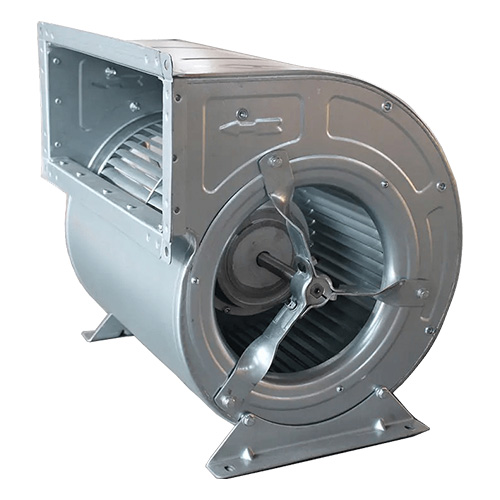
Backward inclined centrifugal fans are a type of high-performance fan widely used in industrial and laboratory applications. Unlike forward curved fans, backward inclined fans feature blades that tilt away from the direction of rotation, which significantly reduces turbulence, increases energy efficiency, and provides stable airflow. These fans are engineered to handle high air volumes at moderate pressures, making them an ideal choice for environments where precise airflow control is crucial, such as cleanrooms, pharmaceutical labs, and electronics manufacturing facilities.
The main components of a backward inclined centrifugal fan include the impeller, motor, housing, and inlet/outlet sections. The impeller is the heart of the fan, designed to minimize air friction and optimize energy efficiency. Motors are typically high-efficiency, industrial-grade units capable of continuous operation. Housings are often made from corrosion-resistant materials or coated steel to withstand demanding environmental conditions. Understanding these basics helps facility managers and engineers make informed decisions when selecting the right fan for their specific cleanroom or laboratory requirements.
Advantages of Backward Inclined Fans in Cleanroom Environments
Backward inclined centrifugal fans offer several advantages that make them well-suited for cleanrooms and laboratory applications:
- High Efficiency and Energy Savings: The backward-tilted blades are specifically designed to reduce air turbulence, which minimizes energy losses and lowers operational costs. This efficiency is particularly important in cleanrooms, where fans often operate 24/7, and energy savings over time can be substantial.
- Low Noise and Minimal Vibration: Laboratories and cleanrooms often contain sensitive instruments that can be affected by noise or vibrations. Backward inclined fans operate quietly and maintain smooth rotation, making them suitable for these environments.
- Consistent Airflow and Pressure: Maintaining uniform airflow and pressure is critical in cleanrooms to control contamination levels. Backward inclined fans provide stable airflow patterns, ensuring that cleanroom standards, such as ISO 14644 classifications, are consistently met.
- Superior Durability: These fans are built for long-term operation, often exceeding 10–15 years with proper maintenance. Their robust construction and high-quality materials make them resistant to wear, corrosion, and performance degradation.
- Comparison with Forward Curved Fans: While forward curved fans may be cheaper initially, they generally produce more noise, have lower efficiency, and wear out faster in continuous operation. For critical environments, backward inclined fans provide better long-term value and performance reliability.
Applications in Laboratories and Cleanrooms
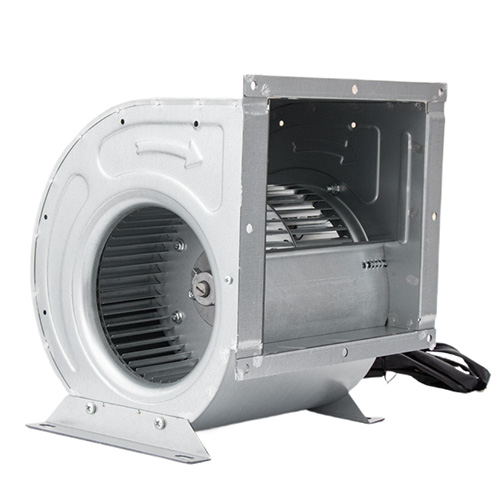
Backward inclined centrifugal fans are widely used in various cleanroom and laboratory environments due to their reliability and precision:
- HVAC Systems: These fans are commonly integrated into heating, ventilation, and air conditioning systems, ensuring that temperature, humidity, and airflow levels are precisely controlled for cleanroom compliance.
- Fume Hoods and Laboratory Ventilation: They provide consistent extraction of fumes and airborne particles, safeguarding laboratory personnel and maintaining safe working conditions.
- Industrial Cleanrooms: In pharmaceutical manufacturing, semiconductor fabrication, and biotech labs, these fans help maintain stringent contamination control by providing stable, laminar airflow.
- High-Precision Environments: Laboratories that require tight control over particulate levels, temperature, and humidity benefit from backward inclined fans’ ability to deliver uniform airflow, essential for experiments, testing, and production processes.
Technical Specifications That Matter
Selecting the right backward inclined centrifugal fan requires careful consideration of key technical specifications:
- Airflow Rate and Static Pressure: Measured in cubic feet per minute (CFM) and Pascals (Pa), these parameters determine whether a fan can meet the cleanroom’s ventilation requirements. Choosing the correct airflow ensures consistent environmental control without overloading the system.
- Noise Levels: Typically measured in decibels (dB), low-noise fans are essential for laboratories where concentration and sensitive instruments are crucial. High-performance backward inclined fans achieve quiet operation even at high airflow rates.
- Material and Corrosion Resistance: Fans in laboratory environments may be exposed to chemicals, humidity, or other corrosive elements. Using stainless steel or coated materials ensures long-term durability and reliable performance.
- Energy Efficiency Ratio (EER): Energy efficiency is particularly important in facilities that operate continuously. High EER ratings reduce electricity costs while maintaining consistent airflow and pressure.
- Maintenance Accessibility: Fans with accessible components and modular designs make inspections, cleaning, and part replacements easier, reducing downtime and maintenance costs.
Installation Guidelines for Optimal Performance
Proper installation is critical for maximizing the performance and lifespan of backward inclined centrifugal fans:
- Placement: Install fans in locations that ensure balanced airflow distribution while avoiding interference with cleanroom pressure zones. Strategic placement can reduce energy consumption and improve system efficiency.
- Ductwork and Isolation: Flexible ducting and vibration isolators minimize the transmission of noise and vibrations into the cleanroom environment, which is especially important for sensitive laboratory equipment.
- Alignment and Balancing: Properly aligning the impeller and motor ensures smooth operation, prevents excessive wear, and prolongs the fan’s life.
- Safety Measures: Adhere to electrical and mechanical safety standards during installation. Ensure that fans are mounted securely and that protective guards are in place to prevent accidents.
- Commissioning and Testing: After installation, conduct airflow, pressure, and noise testing to confirm that the system meets design specifications and cleanroom standards.
Maintenance and Troubleshooting
Regular maintenance is essential to ensure backward inclined centrifugal fans continue to operate efficiently and safely:
- Routine Inspections: Check for wear on the impeller, motor, bearings, and housing. Look for unusual noise or vibration, which may indicate alignment issues.
- Cleaning and Lubrication: Keep fans free from dust, particles, and chemical residues. Lubricate bearings and moving parts as recommended to prevent friction and overheating.
- Common Issues and Solutions: Reduced airflow, vibration, or excessive noise can often be resolved by realigning the fan, tightening mounting bolts, or replacing worn components.
- Extending Lifespan: Proper maintenance schedules, combined with high-quality installation, can help fans operate at peak performance for more than a decade.
Choosing the Right Backward Inclined Centrifugal Fan
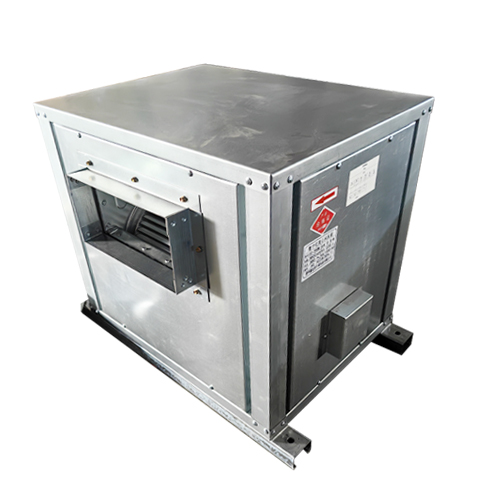
Selecting the ideal fan involves several important considerations:
- Airflow and Pressure Requirements: Ensure the fan meets the specific airflow and static pressure requirements of your cleanroom or laboratory system. Oversized or undersized fans can cause inefficiency and uneven airflow.
- Energy Efficiency and Noise Levels: Prioritize fans with high energy efficiency and low noise ratings, which reduce operating costs and create a comfortable working environment.
- Certifications and Quality Standards: ISO, CE, and other certifications indicate compliance with industry standards, ensuring reliability and safety.
- Supplier Reputation: Choosing experienced suppliers or manufacturers with proven cleanroom and laboratory applications ensures access to technical support, warranties, and quality products.
- Cost vs Long-Term Value: While upfront costs may vary, investing in high-efficiency, durable fans often results in lower maintenance and energy costs over the long term.
Conclusion
Backward inclined centrifugal fans are an ideal choice for cleanrooms and laboratories due to their high efficiency, low noise, stable airflow, and long-term reliability. They help maintain critical environmental conditions, protect sensitive instruments, and support contamination control standards essential for cleanroom operations. By carefully selecting, installing, and maintaining these fans, facility managers can ensure optimal performance, energy efficiency, and operational longevity.
FAQ
What is a backward inclined centrifugal fan?
It is a type of centrifugal fan with blades tilted backward, designed to deliver high-efficiency airflow with low noise and stable pressure, ideal for cleanrooms and laboratories.
How does a backward inclined fan differ from a forward curved fan?
Backward inclined fans are more energy-efficient, quieter, and provide more stable airflow, while forward curved fans are less efficient and may produce more noise under continuous operation.
Where are backward inclined centrifugal fans commonly used?
They are widely used in HVAC systems, cleanrooms, laboratories, industrial ventilation, and environments requiring precise airflow control.
How do I maintain a backward inclined centrifugal fan?
Regularly inspect and clean the impeller and housing, lubricate bearings, check alignment, and troubleshoot vibration or noise issues to ensure long-term reliability.
What factors should I consider when choosing a backward inclined centrifugal fan?
Consider airflow requirements, static pressure, noise levels, energy efficiency, material durability, and certifications to select the most suitable fan for your cleanroom or laboratory.
Need Help Choosing the Right Backward Inclined Centrifugal Fan?
If you’re unsure which backward inclined centrifugal fan is best for your cleanroom or laboratory, our experts are here to guide you. Contact us today for a personalized consultation, and ensure your ventilation system delivers optimal airflow, efficiency, and reliability. Don’t wait until performance issues arise—get in touch now to protect your equipment, maintain a clean environment, and keep your operations running smoothly!