
Welcome to My Blog!
Before we dive into the content, if you’re interested in our products or have any questions, please feel free to visit our Contact Us page on the website. Our team is ready to assist you with inquiries, orders, or any support you may need.
Now, let’s get started on our journey together. I hope you find the content here insightful, engaging, and valuable.
Table of Contents
Introduction
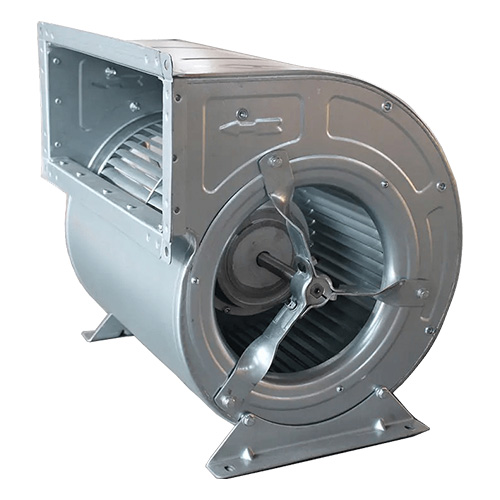
Airflow centrifugal fans are one of the most critical components in modern HVAC systems. Designed to move large volumes of air efficiently, these fans convert rotational energy into powerful airflow that supports ventilation, heating, cooling, and air filtration. Unlike axial fans, which move air directly along the shaft, centrifugal fans use a rotating impeller to increase air pressure and redirect airflow at a 90-degree angle — making them ideal for ducted systems and high-resistance environments.
Centrifugal fans are widely used across industrial, commercial, and residential applications because of their high pressure, stable airflow, and energy efficiency. They ensure indoor comfort, protect air quality, and optimize the overall performance of HVAC systems.
Air Handling Units (AHUs)
Air Handling Units (AHUs) are the heart of large HVAC systems, and airflow centrifugal fans play a key role in them. These fans are responsible for pulling in outdoor air, filtering it, and distributing conditioned air throughout a building.
High static pressure performance is essential in AHUs, as the fan must overcome air resistance from filters, coils, and ducts. Selecting the right airflow centrifugal fan for an AHU ensures proper air distribution, reduced energy consumption, and consistent indoor comfort. When properly sized, they can significantly improve HVAC efficiency and reduce operational noise.
Ventilation and Exhaust Systems
In ventilation and exhaust systems, centrifugal fans help maintain indoor air quality by continuously exchanging stale air with fresh air. They are commonly installed in office buildings, hospitals, and commercial spaces where quiet operation and reliability are essential.
Low-noise airflow centrifugal fans are ideal for these environments because they operate smoothly while maintaining stable pressure. Energy-efficient models equipped with variable speed drives (VSDs) can further reduce power consumption, making them a popular choice for sustainable HVAC projects.
Clean Rooms and Controlled Environments
Clean rooms require a precisely controlled atmosphere, where air purity and pressure balance are critical. Airflow centrifugal fans are designed to deliver consistent, high-pressure airflow that maintains positive air pressure and prevents contamination from entering the clean zone.
Stainless steel and corrosion-resistant centrifugal fans are often used in industries such as pharmaceuticals, biotechnology, and food processing, where hygiene standards are extremely strict. Their stable airflow ensures that filtration systems perform effectively and that clean air is evenly distributed throughout the workspace.
Dust Collection and Filtration Systems
In industrial HVAC systems, centrifugal fans are essential for dust collection and air filtration. These systems remove airborne contaminants from processes such as welding, cutting, or powder handling. The fan’s high static pressure capability allows it to pull contaminated air through filters and ducts efficiently.
When selecting a centrifugal fan for dust collection, it’s important to consider airflow rate, pressure loss, and noise control. A properly designed system helps maintain a clean and safe working environment while protecting machinery and workers from dust exposure.
Heating and Cooling Duct Systems
Centrifugal fans play a crucial role in air distribution within ducted HVAC networks. They ensure that heated or cooled air reaches every corner of a building, maintaining consistent temperature and comfort levels.
Balancing airflow is key — too much pressure can cause noise and energy waste, while too little can result in uneven heating or cooling. High-quality airflow centrifugal fans with efficient impeller designs can maintain the right balance, optimize air movement, and extend the life of the HVAC system.
High-Temperature and Industrial Environments
In industrial settings such as factories, power plants, and workshops, centrifugal fans are used for high-temperature ventilation and process cooling. These environments often require explosion-proof or corrosion-resistant models to handle challenging conditions.
Industrial airflow centrifugal fans are built with durable materials like cast aluminum or stainless steel to withstand heat, moisture, and chemical exposure. They also support ventilation systems in hazardous areas, ensuring safe and continuous operation even under demanding loads.
Energy Recovery and Sustainable HVAC Solutions
With the global shift toward sustainability, energy-efficient airflow centrifugal fans are becoming increasingly popular. In Energy Recovery Ventilators (ERVs) and heat recovery systems, these fans help transfer thermal energy between exhaust and intake air streams, reducing overall energy consumption.
Modern centrifugal fans now feature smart controls, variable-speed motors, and aerodynamic impeller designs that maximize efficiency. They enable HVAC systems to deliver optimal airflow while lowering electricity costs and minimizing environmental impact.
Noise Control and Acoustic Comfort in HVAC Design
Noise is a major consideration in HVAC design, especially in offices, hotels, and hospitals. Airflow centrifugal fans can be engineered with low-noise impellers, vibration isolation mounts, and sound-absorbing housings to reduce acoustic impact.
Proper installation also plays a vital role. Ensuring straight duct connections and avoiding turbulence can further minimize unwanted noise. Choosing the right fan type and operating speed allows engineers to balance airflow performance with a comfortable indoor sound environment.
How to Select the Right Airflow Centrifugal Fan for Your HVAC Project
Selecting the right airflow centrifugal fan requires a clear understanding of your system’s airflow (CFM), static pressure, and energy efficiency requirements. Other factors include space constraints, noise limits, and environmental conditions.
Direct-drive fans are compact and low-maintenance, while belt-drive fans offer more flexibility for airflow adjustment. For unique applications, a custom-designed centrifugal fan may deliver better performance and longevity.
Working with an experienced manufacturer or supplier ensures that the fan matches your HVAC system’s exact specifications — resulting in improved reliability and lower operating costs.
Maintenance Tips for Long-Term Performance
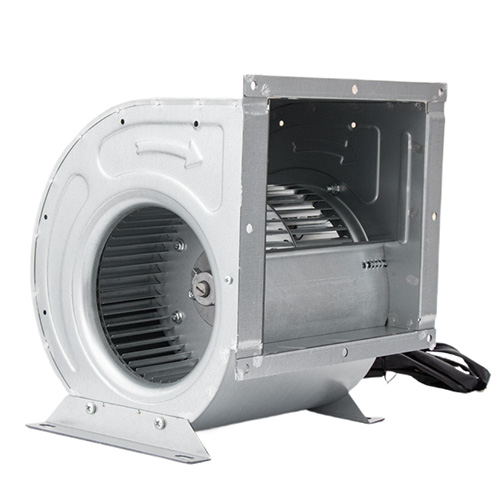
Regular maintenance is the key to keeping centrifugal fans operating efficiently. Routine inspections should include cleaning dust buildup, checking impeller balance, and lubricating bearings. If you notice reduced airflow or unusual noise, it may indicate motor wear or obstruction.
Scheduled maintenance not only extends the fan’s lifespan but also preserves energy efficiency. Replacing filters and monitoring vibration levels can prevent costly breakdowns and ensure stable HVAC performance year-round.
Conclusion
Airflow centrifugal fans are indispensable for achieving optimal performance in modern HVAC systems. From air handling units and ventilation systems to clean rooms and industrial plants, they provide reliable airflow, pressure stability, and energy efficiency.
By choosing the right fan type and maintaining it properly, building operators and engineers can significantly improve indoor comfort, reduce energy usage, and ensure long-term system reliability.
FAQ
What is an airflow centrifugal fan?
An airflow centrifugal fan is a type of fan that uses a rotating impeller to draw air into its center and then push it outward at a 90-degree angle. It provides higher air pressure than axial fans, making it ideal for HVAC, ventilation, and filtration systems.
How does an airflow centrifugal fan work in HVAC systems?
In HVAC systems, airflow centrifugal fans move conditioned air through ducts, filters, and coils. They maintain stable airflow and pressure, ensuring even temperature distribution and improved indoor air quality.
What are the main advantages of using an airflow centrifugal fan?
These fans offer high efficiency, strong air pressure, low noise levels, and reliable performance under demanding conditions. They’re perfect for applications like air handling units, clean rooms, and dust collection systems.
How can I choose the right airflow centrifugal fan for my project?
Consider key factors such as airflow rate (CFM), static pressure, noise requirements, and energy efficiency. Working with a trusted supplier helps you select the right fan design for your HVAC or industrial setup.
How do I maintain an airflow centrifugal fan for long-term use?
Regular cleaning, bearing lubrication, and vibration checks help keep the fan running efficiently. Inspect impellers and filters periodically to prevent airflow reduction or mechanical wear.
Need Help Choosing the Right Airflow Centrifugal Fan?
If you’re unsure which airflow centrifugal fan is best for your HVAC system or industrial application, our experts are here to help. Contact us today for a personalized consultation and find the most efficient, durable, and cost-effective fan solution for your project. Don’t wait until poor airflow affects your performance—get in touch now to optimize your ventilation system and improve air quality!