
Welcome to My Blog!
Before we dive into the content, if you’re interested in our products or have any questions, please feel free to visit our Contact Us page on the website. Our team is ready to assist you with inquiries, orders, or any support you may need.
Now, let’s get started on our journey together. I hope you find the content here insightful, engaging, and valuable.
Table of Contents
Centrifugal fans play a crucial role in various industries by providing effective airflow solutions. Whether you are looking to purchase one or simply curious about how they work, this comprehensive guide will provide you with all the essential details about centrifugal fan manufacturers, including their types, uses, and what to consider before purchasing one.
What is a Centrifugal Fan?
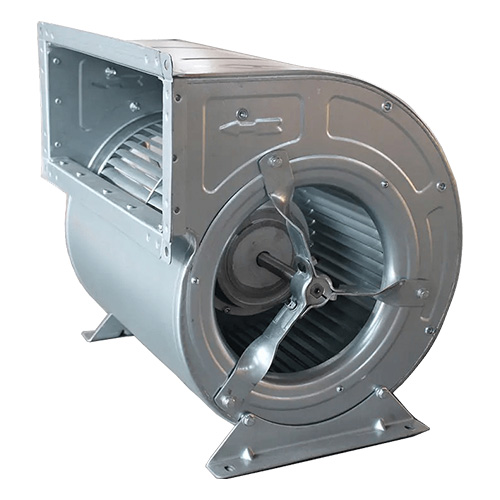
A centrifugal fan is a mechanical device used to move air or gases in industrial, commercial, and residential systems. Unlike axial fans that push air along the same axis of rotation, centrifugal fans use a rotating impeller to increase the velocity of the air, which is then directed out at a 90-degree angle.
How Does a Centrifugal Fan Work?
Centrifugal fans operate on the principle of centrifugal force. Air enters the fan impeller along the axis of rotation and is then accelerated outward as it travels along the fan blades. This increased air pressure enables the fan to push air through ducts or other systems. Due to this design, centrifugal fans can operate at higher pressures compared to axial fans, making them ideal for heavy-duty industrial applications.
Types of Centrifugal Fans
There are several types of centrifugal fans, each designed for specific uses and environments. Understanding the differences between them can help you choose the right fan for your needs.
Single-Stage vs. Multi-Stage Centrifugal Fans
- Single-Stage: These fans are typically used for low-pressure applications where efficiency is more critical than achieving high static pressure.
- Multi-Stage: Multi-stage centrifugal fans are designed for high-pressure systems. These are often used in industries such as power plants, chemical processing, and HVAC systems that require a consistent, high-pressure airflow.
Common Types of Centrifugal Fans and Their Uses
- Forward Curved Fans: Ideal for low-pressure applications like air handling units and ventilation systems.
- Backward Curved Fans: These fans are highly efficient and are used in applications requiring medium to high pressures.
- Radial Fans: Typically used in industrial applications where high pressure and high airflow are needed.
Advantages of Choosing Centrifugal Fans Over Axial Fans
Centrifugal fans are often preferred in environments where high airflow and static pressure are required. Below are some reasons why they might be a better choice over axial fans:
Efficiency and Performance
Centrifugal fans are more efficient in handling higher pressures, making them suitable for applications like HVAC systems, dust collection systems, and chemical plants. They provide more consistent airflow, especially in situations where the system pressure fluctuates.
Durability and Reliability
Unlike axial fans, centrifugal fans are more resistant to wear and tear from continuous use, making them a reliable choice for long-term industrial applications. They perform well even in demanding environments with varying levels of air resistance.
Key Considerations When Choosing a Centrifugal Fan Manufacturer
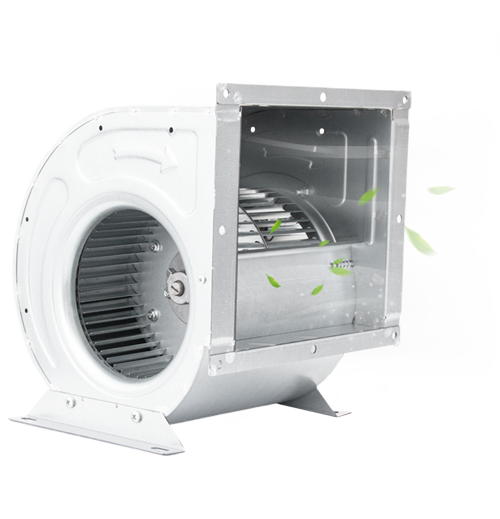
When selecting a centrifugal fan manufacturer, several factors must be considered to ensure you’re making the right choice for your business needs.
How to Find a Reliable Manufacturer
Look for manufacturers with a strong reputation in the industry. Trusted brands, such as FläktGroup, Greenheck Fan Corporation, and Howden, are known for their high-quality products and customer service. Online platforms, industry trade shows, and peer recommendations are excellent ways to identify reliable manufacturers.
Factors to Consider Before Buying a Centrifugal Fan
- Fan Performance: Choose a fan that meets your required airflow (CFM) and pressure (inches of water column).
- Material Quality: Stainless steel or aluminum are commonly used for industrial centrifugal fans due to their durability and resistance to corrosion.
- Energy Efficiency: Look for fans with high efficiency ratings to save on energy costs. Many modern centrifugal fans come with energy-saving features.
Centrifugal Fans in Different Industries
Centrifugal fans are used across a variety of industries, each with its own set of requirements.
HVAC Systems
In HVAC (Heating, Ventilation, and Air Conditioning) systems, centrifugal fans are widely used to regulate air flow in commercial buildings and industrial plants. Their ability to handle higher static pressures makes them ideal for complex duct systems.
Chemical and Pharmaceutical Industries
Centrifugal fans are essential in the chemical and pharmaceutical industries for providing ventilation in high-pressure, high-temperature environments. They help remove hazardous fumes and maintain air quality.
Food Processing and Manufacturing
In the food industry, centrifugal fans are used for maintaining airflow during the cooling, drying, and ventilation processes, helping to preserve product quality and comply with hygiene standards.
Dust Collection and Filtration Systems
In industries like mining, woodworking, and metal processing, centrifugal fans are used in dust collection systems. These fans provide high-pressure airflow needed to move dust and particulates through filtration units, ensuring cleaner air.
Power Plants and Heavy Industry
Power plants rely on centrifugal fans to assist with combustion air supply and cooling air circulation. These fans are designed to handle high temperatures and extreme operating conditions.
Custom Centrifugal Fans for Specialized Applications
For applications that require unique specifications, custom centrifugal fans can be designed to meet specific needs.
When to Choose a Custom Centrifugal Fan
If your application involves extreme conditions such as high temperatures, high pressures, or corrosive environments, a custom fan can be designed with materials and configurations tailored to your requirements.
How to Design Custom Centrifugal Fans for Your Needs
To design a custom centrifugal fan, factors such as airflow requirements, system pressure, temperature tolerance, and material specifications must be carefully considered. Many manufacturers offer customization services to meet these demands.
Common Issues and Troubleshooting for Centrifugal Fans
Like any mechanical system, centrifugal fans can experience issues over time. Here are some common problems and troubleshooting tips:
Common Problems with Centrifugal Fans
- Noise: Excessive noise may be caused by imbalanced blades or insufficient lubrication.
- Vibration: This can occur due to damaged bearings or misalignment of the motor.
- Reduced Efficiency: Clogged or dirty blades can hinder airflow, reducing the fan’s efficiency.
How to Troubleshoot a Malfunctioning Centrifugal Fan
- Inspect the fan for visible damage or wear.
- Check for blockages in the air intake or exhaust.
- Ensure the fan motor is functioning properly and free from obstructions.
- Balance the fan blades if there is excessive vibration.
Centrifugal Fan Maintenance and Care
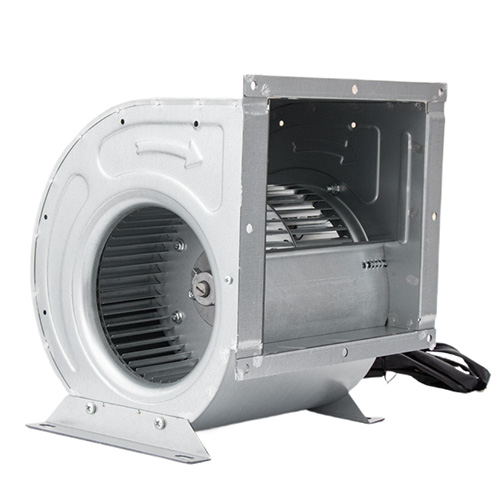
Maintaining your centrifugal fan is crucial for ensuring long-term efficiency and performance.
How to Maintain a Centrifugal Fan for Maximum Efficiency
Regular cleaning, lubrication, and inspections are essential for keeping a centrifugal fan in optimal working condition. Removing dust and debris from the blades and motor will prevent performance degradation.
Extending the Lifespan of Your Centrifugal Fan
Implementing a preventive maintenance schedule and addressing minor issues before they become major problems will help extend the lifespan of your centrifugal fan.
How to Replace Parts in a Centrifugal Fan
If parts such as bearings or blades become damaged, it’s essential to replace them promptly. Always use original manufacturer parts for best results.
Conclusion
Centrifugal fans are vital components in numerous industrial and commercial systems. By understanding the types, uses, and manufacturers behind these fans, you can make a more informed decision when purchasing one for your needs. Keep in mind the importance of energy efficiency, proper maintenance, and selecting a reliable manufacturer to ensure you get the best performance and longevity out of your centrifugal fan.
FAQ
What is a centrifugal fan?
A centrifugal fan is a type of mechanical fan that uses a rotating impeller to increase the velocity of air or gas and then directs it at a 90-degree angle. This design allows it to handle higher pressures compared to axial fans, making it ideal for industrial applications.
What industries use centrifugal fans?
Centrifugal fans are used in a wide range of industries, including HVAC, chemical processing, food manufacturing, power plants, and dust collection systems. They are essential for providing efficient airflow in both high-pressure and high-temperature environments.
How do I choose the right centrifugal fan for my application?
To choose the right centrifugal fan, consider factors such as required airflow (CFM), pressure (inches of water column), the type of material (steel, aluminum, etc.), and operating conditions (temperature, humidity, etc.). Consult with a reputable manufacturer to ensure compatibility with your system.
What is the difference between single-stage and multi-stage centrifugal fans?
A single-stage centrifugal fan is designed for low-pressure applications, while a multi-stage centrifugal fan can achieve higher pressures, making it suitable for more demanding industrial settings. Multi-stage fans are often used in power plants or heavy-duty HVAC systems.
How can I maintain my centrifugal fan for optimal performance?
Regular maintenance includes cleaning the fan blades, checking for blockages in the ducts, lubricating moving parts, and inspecting the motor. Periodic checks will help prevent wear and ensure the fan operates at peak efficiency.
Get in Touch with Us for High-Quality Centrifugal Fans
Are you looking for reliable, efficient, and durable centrifugal fans for your industrial or commercial applications? Our expert team is here to help you find the perfect solution tailored to your needs. Contact us today for a consultation or request a quote!