
Welcome to My Blog!
Before we dive into the content, if you’re interested in our products or have any questions, please feel free to visit our Contact Us page on the website. Our team is ready to assist you with inquiries, orders, or any support you may need.
Now, let’s get started on our journey together. I hope you find the content here insightful, engaging, and valuable.
Table of Contents
Centrifugal fans are crucial components in a wide range of industries, including HVAC systems, industrial ventilation, dust collection, and even chemical processing. As the demand for energy efficiency, sustainability, and high-performance airflow systems continues to rise, choosing the right centrifugal fan for your business is more important than ever.
This comprehensive guide will help you understand the basics of centrifugal fans, key factors to consider when selecting one, and how to troubleshoot and maintain these systems for long-lasting, efficient performance.
What Are Centrifugal Fans? Understanding the Basics
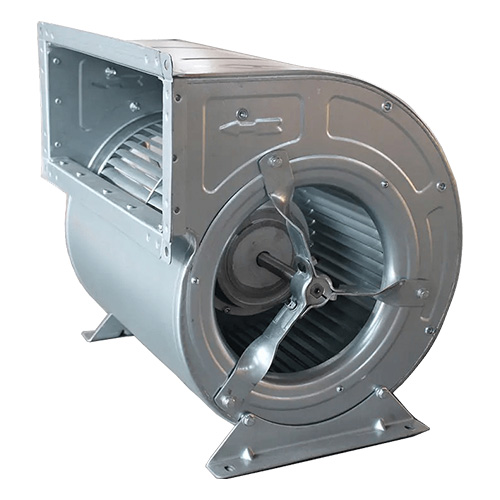
How Do Centrifugal Fans Work?
Centrifugal fans are designed to move air or gas through a system by converting rotational energy from the fan’s blades into kinetic energy. These fans pull air into the center of the fan, where it is then accelerated outward by the rotating blades. This process creates a pressure difference that pushes the air through ducts or systems.
The key features of centrifugal fans include:
- High pressure: They provide higher pressure than axial fans, making them ideal for pushing air through ducts, filters, or systems with resistance.
- Efficiency: With advanced motor designs and energy-saving features, centrifugal fans can significantly reduce energy consumption in large-scale industrial setups.
Types of Centrifugal Fans and Their Uses
There are several types of centrifugal fans, each suited for different applications:
- Radial Fans: Provide a broad airflow range and are commonly used in air conditioning and ventilation systems.
- Backward Curved Fans: These fans are known for their high efficiency and quiet operation, ideal for applications requiring consistent airflow.
- Forward Curved Fans: Typically used for low pressure and high airflow applications, such as HVAC systems and small industrial fans.
Why Centrifugal Fans Are Essential for Industrial Applications
Centrifugal fans are indispensable in various industrial sectors, where they help to regulate airflow, maintain air quality, and optimize energy consumption.
Key Industries Using Centrifugal Fans
- HVAC Systems: For residential, commercial, and industrial buildings to provide heating, ventilation, and air conditioning.
- Chemical Plants: To ventilate hazardous areas and control gas emissions.
- Food Processing: Essential for ensuring the cleanliness of processing environments through efficient air filtration systems.
Benefits of Using Centrifugal Fans in Industry
- High Efficiency: Centrifugal fans can handle significant airflow volumes with minimal power consumption.
- Durability: Built to last in high-demand, heavy-duty environments, providing long-term operational value.
- Flexibility: Adaptable to different industries and applications, from high-pressure systems to low-flow environments.
How to Choose the Best Centrifugal Fans for Your Business
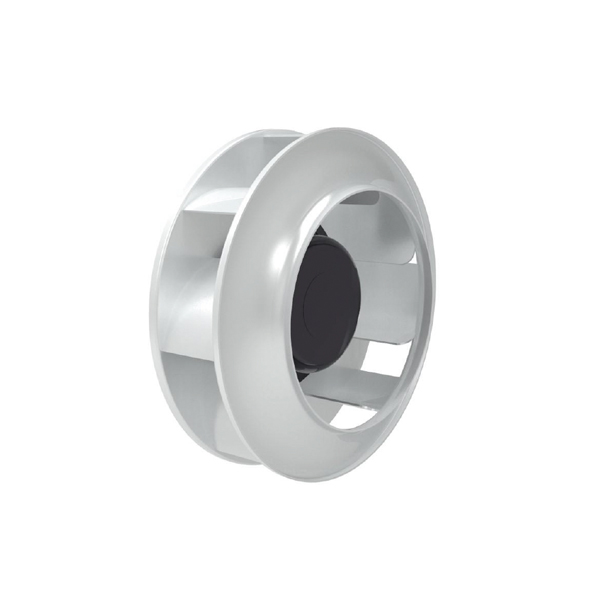
When selecting a centrifugal fan, it’s crucial to consider the unique requirements of your system or facility. Here’s a quick guide to making the best choice:
Factors to Consider When Choosing a Centrifugal Fan
- Airflow Requirements: Evaluate the amount of airflow needed and the pressure that must be generated. This will determine whether you need a high-pressure or high-flow centrifugal fan.
- Energy Efficiency: Choose fans that incorporate modern technologies, like Variable Frequency Drives (VFD), to help reduce energy consumption.
- Size and Space Constraints: Ensure the fan fits in your designated installation area and meets your airflow and pressure needs.
The Importance of Fan Efficiency Ratings
Understanding the fan’s efficiency rating is critical for reducing energy costs and optimizing performance. A fan’s efficiency is influenced by its design, motor, and airflow characteristics. Look for fans with energy-saving features like VFDs or those that comply with industry energy efficiency standards.
Comparing Centrifugal Fans vs. Axial Fans
While both types of fans move air, centrifugal fans are ideal for high-pressure systems, whereas axial fans excel in high-volume, low-pressure applications. The choice depends on your system’s needs:
- Centrifugal Fans: Higher pressure, better for systems requiring resistance handling (HVAC, industrial ventilation).
- Axial Fans: Larger airflow at lower pressure, commonly used in cooling towers and large ventilation systems.
Common Issues with Centrifugal Fans and How to Troubleshoot Them
Even the best centrifugal fans can encounter problems. Here are some common issues and solutions:
Why Is My Centrifugal Fan Not Working?
- Cause: Motor failure, electrical issues, or fan blockages.
- Solution: Check the motor and electrical connections. Inspect the fan blades for damage or obstructions.
How to Fix Noisy Centrifugal Fans
- Cause: Imbalanced blades, worn bearings, or dirty components.
- Solution: Clean the fan blades and bearings, and replace any damaged parts.
Troubleshooting Fan Vibration and Performance Issues
- Cause: Misalignment, unbalanced blades, or incorrect fan installation.
- Solution: Align the fan properly and replace worn-out parts.
Maintenance Tips for Centrifugal Fans
To ensure your centrifugal fan performs optimally over its lifespan, regular maintenance is key.
How to Maintain Your Centrifugal Fan for Longevity
- Regular Inspections: Check for wear and tear on blades, bearings, and motors.
- Cleaning: Remove dust and debris from the fan to prevent blockages and reduce strain on the motor.
- Lubrication: Ensure the motor and bearings are properly lubricated to prevent friction and overheating.
Centrifugal Fans for Specific Applications
Certain industries have specific requirements when it comes to centrifugal fans. Here’s a breakdown of the best centrifugal fans for different applications:
Best Centrifugal Fans for HVAC Systems
For HVAC systems, look for centrifugal fans with low noise levels, high efficiency, and the ability to provide consistent airflow across varying loads.
Centrifugal Fans for Clean Rooms and Laboratories
In environments requiring stringent air quality control, such as clean rooms, centrifugal fans with HEPA filtration and precise airflow control are essential.
Choosing the Right Centrifugal Fan for Chemical Plants
Chemical plants require explosion-proof and corrosion-resistant fans. Ensure the fan complies with industry standards for safety and efficiency.
Environmental and Energy-Efficient Centrifugal Fans
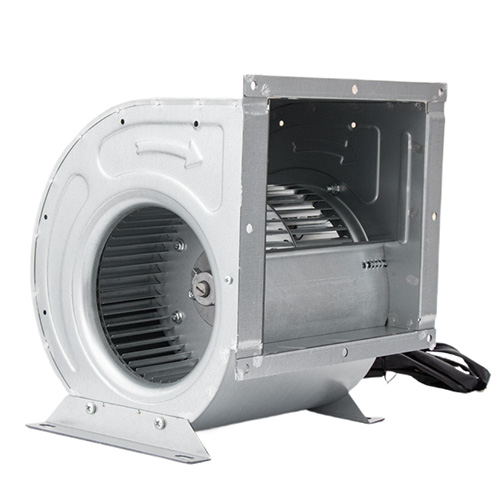
As sustainability becomes a priority for businesses worldwide, selecting energy-efficient centrifugal fans is crucial for reducing operational costs and environmental impact.
The Importance of Energy Efficiency in Centrifugal Fans
Centrifugal fans equipped with Variable Frequency Drives (VFD) can adjust motor speed, thereby optimizing energy usage and reducing unnecessary consumption.
Eco-Friendly Centrifugal Fans for Sustainable Business Practices
Look for fans that meet eco-friendly certifications and regulations, helping your business maintain its sustainability goals.
Conclusion
Choosing the best centrifugal fans for your business in 2025 requires careful consideration of your specific needs—whether it’s efficiency, noise reduction, or durability. By understanding how centrifugal fans work, evaluating your airflow and pressure requirements, and selecting the right model, you can ensure that your business benefits from long-lasting, high-performance ventilation systems.
FAQ
What is a centrifugal fan and how does it work?
A centrifugal fan is a type of mechanical fan that moves air or gas by converting rotational energy from the fan’s blades into kinetic energy. The air is drawn into the fan’s center and then pushed outward through a discharge port, creating pressure and airflow.
How do I choose the best centrifugal fans for my business?
To choose the best centrifugal fans, consider factors like airflow requirements, pressure needs, energy efficiency, and the type of application (HVAC, industrial, etc.). Look for fans with high efficiency, low noise, and durable materials for long-term use.
What is the difference between a centrifugal fan and an axial fan?
Centrifugal fans generate higher pressure and are ideal for systems with resistance, like ducts or filters. Axial fans, on the other hand, move large volumes of air at low pressure and are typically used in cooling applications or large ventilation systems.
Can centrifugal fans help reduce energy consumption?
Yes, centrifugal fans equipped with Variable Frequency Drives (VFD) can adjust motor speed based on demand, reducing unnecessary energy consumption and improving overall system efficiency.
How long do centrifugal fans typically last?
With proper maintenance, centrifugal fans can last between 10 to 15 years, depending on the application and environmental conditions. Regular inspection, cleaning, and lubrication help extend their lifespan.
Ready to Find the Perfect Centrifugal Fan for Your Business?
Whether you’re looking to upgrade your current system or invest in a high-performance centrifugal fan, we’re here to help. Our team of experts can guide you in selecting the best fan that meets your specific needs—whether it’s for HVAC, industrial applications, or any other specialized use.
Contact us today for a free consultation or to get personalized recommendations tailored to your business. Don’t let inefficient systems hold you back—optimize your airflow and energy efficiency now!