
Welcome to My Blog!
Before we dive into the content, if you’re interested in our products or have any questions, please feel free to visit our Contact Us page on the website. Our team is ready to assist you with inquiries, orders, or any support you may need.
Now, let’s get started on our journey together. I hope you find the content here insightful, engaging, and valuable.
Table of Contents
Centrifugal fans are a critical component in a wide range of industrial, commercial, and residential applications. These fans move air or gas through a system, using centrifugal force to generate high pressure. Whether you are involved in HVAC systems, dust collection, or cooling applications, understanding the various centrifugal fan types is crucial for ensuring optimal performance and energy efficiency.
In this guide, we will explore the different types of centrifugal fans, their applications, and how to select the right one for your needs. We will also highlight key considerations like efficiency, noise, and maintenance to help you make an informed decision.
Introduction
What are Centrifugal Fans?
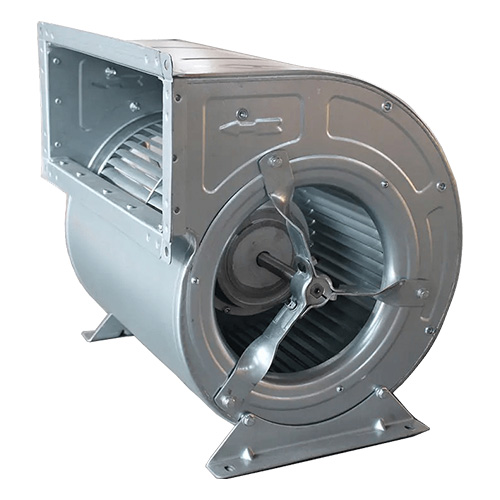
Centrifugal fans are mechanical devices used to move air or gas through a duct system. They work by creating a high-pressure airflow through the use of rotating blades. As the fan blades rotate, air is drawn in through the inlet and pushed outward along the blades to produce airflow. This process is known as centrifugal force, and it’s what gives these fans their name.
Centrifugal fans are available in various designs, each suited to different needs and environments. They are widely used in applications such as ventilation, air conditioning, industrial exhaust systems, and more.
Why Are Centrifugal Fans Important?
Centrifugal fans are essential for maintaining airflow in ventilation systems, controlling air quality in industrial settings, and optimizing efficiency in HVAC systems. They offer high static pressure capabilities, making them ideal for systems that require air to be moved through ductwork, filters, or other restrictive environments.
The versatility of centrifugal fans makes them indispensable across various industries, including manufacturing, HVAC, energy production, and waste management.
Types of Centrifugal Fans
Forward Curved Centrifugal Fans
Forward curved centrifugal fans are characterized by blades that curve in the direction of rotation. These fans are commonly used in low-pressure applications due to their ability to handle high volumes of air at moderate pressures. They are ideal for applications where airflow is more important than pressure, such as in small HVAC systems and ventilation systems.
Advantages:
- High airflow at low pressures
- Compact and lightweight design
Disadvantages:
- Lower efficiency at high pressures
- Higher energy consumption in industrial applications
Backward Curved Centrifugal Fans
Backward curved centrifugal fans feature blades that curve opposite to the direction of rotation. These fans are typically used in high-pressure applications due to their superior performance in generating static pressure. Backward curved fans are often found in industrial applications, such as air handling units and dust collection systems.
Advantages:
- Higher efficiency and energy savings
- Excellent performance in high-pressure environments
Disadvantages:
- Larger size compared to forward curved fans
- Can be less effective in low-pressure applications
Radial Centrifugal Fans
Radial centrifugal fans, also known as “straight radial fans,” have blades that are positioned perpendicular to the airflow direction. These fans are commonly used in dust collection systems and other industrial applications where particulate matter needs to be moved efficiently.
Advantages:
- Good for handling particulate matter
- Suitable for heavy-duty industrial applications
Disadvantages:
- Can be noisy
- Less energy-efficient compared to backward curved fans
Airfoil Centrifugal Fans
Airfoil centrifugal fans are designed with blades that resemble the shape of an airplane wing. These fans are highly efficient and produce less noise compared to other fan types. They are commonly used in applications requiring high airflow with minimal energy consumption, such as in large HVAC systems or industrial ventilation.
Advantages:
- Highly energy-efficient
- Low noise levels and quiet operation
Disadvantages:
- Higher initial cost
- Not suitable for applications requiring very high static pressure
How to Choose the Right Centrifugal Fan Type
Consider Your Application
The first step in selecting the right centrifugal fan is understanding your application. Industrial systems often require high-pressure fans to move air through ducts or filters, while HVAC systems may focus more on airflow and energy efficiency. Consider the following:
- HVAC Systems: Look for fans that offer a balance of airflow and efficiency, like backward curved or airfoil fans.
- Dust Collection: Radial fans are ideal for systems handling particulate matter.
- Cooling Systems: Airfoil fans are excellent for energy-efficient cooling solutions.
Airflow and Pressure Requirements
Different centrifugal fan types perform better at varying airflow and pressure levels. For high-pressure systems, backward curved fans are ideal, while forward curved fans are more suited for low-pressure, high-airflow systems. It’s important to match the fan type with your system’s pressure and airflow needs for optimal performance.
Efficiency and Energy Considerations
Energy consumption is a significant factor in fan selection. Airfoil and backward curved centrifugal fans are known for their energy efficiency, especially in industrial and commercial applications. These fans provide high airflow and pressure with minimal energy use, reducing long-term operational costs.
Noise and Vibration Levels
Noise and vibration are key considerations, particularly in residential and office environments. Airfoil fans tend to produce the least noise, followed by backward curved fans. If quiet operation is crucial, opt for fans designed for low noise, such as airfoil fans or specific models designed with noise reduction in mind.
Size and Maintenance Factors
When selecting a centrifugal fan, consider both the physical size of the unit and the maintenance requirements. Larger fans may be necessary for industrial applications, but they also require more space for installation and upkeep. Regular maintenance, including cleaning and lubrication, is essential for keeping the fan running efficiently.
Benefits of Different Centrifugal Fan Types
Energy Efficiency
Backward curved and airfoil centrifugal fans are known for their energy-efficient performance. By reducing energy consumption and improving airflow, these fans help minimize operational costs, making them ideal for large-scale systems.
Cost-Effectiveness
While airfoil and backward curved fans may have a higher upfront cost, they provide long-term savings due to their lower energy consumption and extended lifespans. Forward curved and radial fans, while more affordable initially, may incur higher energy costs over time.
Longevity and Durability
In industrial settings, durability is key. Radial and backward curved centrifugal fans are particularly durable and can handle harsh conditions such as dust, debris, and high temperatures. These fans are built for heavy-duty applications and have longer lifespans with proper maintenance.
Flexibility in Different Environments
Centrifugal fans are highly versatile and can be used in a variety of environments, from clean air systems in offices to heavy-duty dust collection in factories. Choosing the right fan type based on your environmental needs is essential to ensuring the fan performs optimally over time.
Common Applications of Centrifugal Fans
Industrial Ventilation
Centrifugal fans are widely used in industrial ventilation systems to remove heat, fumes, and pollutants. Radial and backward curved fans are often chosen for their high-pressure capabilities in environments where air needs to be moved through long ducts or restrictive systems.
HVAC Systems
In HVAC systems, centrifugal fans provide efficient airflow and pressure to heat or cool large spaces. Airfoil and backward curved fans are particularly popular for these applications due to their energy efficiency and quiet operation.
Dust Collection and Filtration
Centrifugal fans, especially radial and backward curved types, are integral to dust collection systems. These fans move air through filters, capturing dust particles and maintaining clean air in industrial environments.
Cooling Systems
Cooling systems, such as those used in manufacturing or electronic equipment, rely on centrifugal fans to circulate cool air efficiently. Airfoil fans are often used in these applications for their energy efficiency and quiet operation.
High-Pressure Systems
High-pressure centrifugal fans are commonly used in applications like boiler systems, furnaces, and exhaust systems where significant pressure is required to move air or gases through pipes or ducts.
Troubleshooting and Maintenance of Centrifugal Fans
Common Issues and How to Diagnose Them
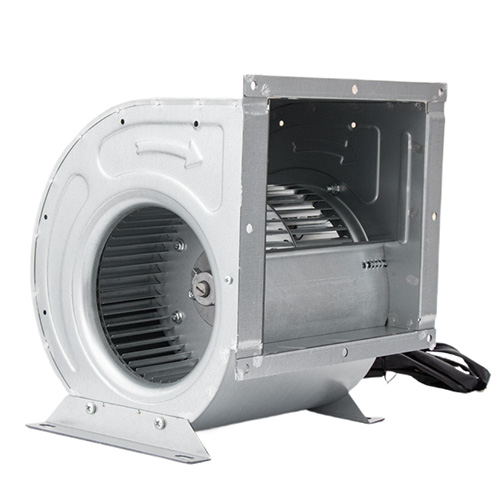
Common problems with centrifugal fans include low airflow, increased vibration, and excessive noise. Diagnosing these issues early can prevent more significant problems down the line, such as motor failure or fan blade damage.
Preventive Maintenance Tips
Routine maintenance, such as cleaning fan blades, lubricating moving parts, and checking for wear and tear, is crucial for keeping fans operating efficiently. Regular inspections also help catch potential issues before they cause downtime.
How to Extend the Life of Your Centrifugal Fan
To extend the life of your centrifugal fan, ensure it’s correctly sized for the application, keep the fan clean, and follow a regular maintenance schedule. Using the fan in the appropriate environment and ensuring it operates within its design parameters will also reduce wear and tear.
Repair vs. Replace: When to Upgrade Your Fan
When a fan begins to show signs of significant wear or has frequent breakdowns, it may be time to replace it. If the fan is outdated or no longer meets your system’s needs, upgrading to a newer, more efficient model can save energy costs and improve overall performance.
Conclusion
Choosing the right centrifugal fan is critical for achieving optimal system performance, energy efficiency, and longevity. By considering your application, airflow and pressure requirements, and noise preferences, you can select a fan that suits your needs perfectly.
As technology continues to evolve, centrifugal fans will remain an integral part of industrial, commercial, and residential systems. Stay informed about the latest advancements in fan technology to ensure you’re getting the best value for your investment.
FAQ
What is the difference between centrifugal and axial fans?
Centrifugal fans generate high pressure and are better suited for restrictive duct systems, while axial fans are designed for high airflow and low-pressure systems.
How do I know which centrifugal fan is right for my ventilation system?
Consider the airflow, pressure requirements, and space constraints. Forward curved fans are ideal for low-pressure systems, while backward curved fans are better for high-pressure applications.
Are centrifugal fans energy efficient?
Yes, especially backward curved and airfoil fans, which are designed to provide high performance with minimal energy consumption.
How do I maintain my centrifugal fan to prevent breakdowns?
Regular cleaning, lubrication, and checking for wear and tear are essential. Follow the manufacturer’s maintenance recommendations to extend the fan’s lifespan.
Can centrifugal fans handle high temperatures or corrosive environments?
Yes, certain centrifugal fan types, like backward curved and radial fans, are designed to withstand high temperatures and corrosive environments, making them suitable for industrial and specialized applications.
Need help choosing the perfect centrifugal fan for your application? Contact us today for expert advice and high-quality centrifugal fans tailored to your system’s needs.