
Welcome to My Blog!
Before we dive into the content, if you’re interested in our products or have any questions, please feel free to visit our Contact Us page on the website. Our team is ready to assist you with inquiries, orders, or any support you may need.
Now, let’s get started on our journey together. I hope you find the content here insightful, engaging, and valuable.
Table of Contents
Centrifugal blower fans are crucial components in many industrial and commercial systems, serving to move air or gas through ventilation, cooling, and exhaust systems. Whether you’re in the HVAC industry, chemical processing, or wastewater treatment, understanding how centrifugal blower fans work and their benefits can help you make informed decisions for your specific application. In this article, we will delve into the function, features, applications, and maintenance of centrifugal blower fans.
What is a Centrifugal Blower Fan?
Definition and Basic Operation
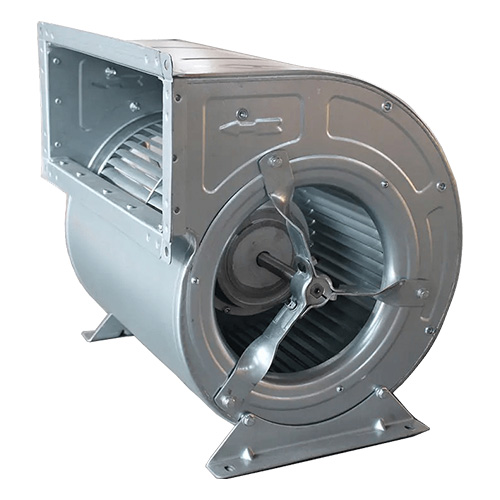
A centrifugal blower fan is a mechanical device designed to move air or gas by converting rotational kinetic energy into air pressure. The fan uses a rotating impeller to draw air in through the center of the fan and expels it outward in a radial direction, increasing the air pressure. This principle is why centrifugal fans are especially effective in high-pressure applications.
Types of Centrifugal Blower Fans
There are several types of centrifugal fans, each designed for specific applications:
- Forward-Curved Blowers: These are typically used for low-pressure, high-flow applications and are most commonly found in HVAC systems.
- Backward-Curved Blowers: Known for their efficiency, backward-curved blowers are often used in industrial applications where higher pressures and energy savings are essential.
- Radial Blowers: These fans provide a balance between airflow and pressure and are ideal for a variety of industrial applications.
How Do Centrifugal Blower Fans Work?
The Physics Behind Centrifugal Force
At the heart of centrifugal fan operation is the concept of centrifugal force. As the impeller blades rotate, they exert a force on the air or gas, pushing it outward from the center to the outer edges. This increases the pressure of the air as it leaves the fan, which is then directed into ducts or systems for ventilation or exhaust.
The Impeller and Its Role in Airflow
The impeller is the key component in a centrifugal fan. Its blades are designed to accelerate the air and convert mechanical energy from the motor into kinetic energy. The impeller’s size and design influence the airflow capacity and pressure of the fan, making it critical to choose the right fan for your application.
Differences Between Centrifugal Fans and Axial Fans
While centrifugal blower fans generate high pressure, axial fans move air along the same axis of the fan, resulting in lower pressure but higher volume airflow. The choice between the two depends on the specific needs of your system—centrifugal fans are better for high-pressure applications, while axial fans excel in low-pressure, high-flow scenarios.
Benefits of Using Centrifugal Blower Fans
High Air Pressure Generation
One of the most significant advantages of centrifugal fans is their ability to generate high pressure. This makes them ideal for systems requiring pressure to overcome long ducts, filters, or resistance from airflow-restricted areas.
Efficient Airflow Over Longer Distances
Centrifugal fans are designed to push air efficiently over long distances. They can maintain a steady airflow even through complex ductwork, making them a preferred choice for industrial ventilation and HVAC systems.
Versatility in Different Industries
Centrifugal blower fans are used across a wide range of industries, including:
- HVAC: To circulate air efficiently within commercial and residential buildings.
- Industrial Applications: For cooling and ventilation of machinery in factories.
- Dust Collection: Removing airborne particles in manufacturing plants.
Applications of Centrifugal Blower Fans
Industrial Ventilation
Centrifugal fans play a vital role in industrial ventilation by ensuring that air circulates properly in factories, warehouses, and other industrial environments. These fans help prevent the buildup of harmful fumes and maintain a comfortable working environment.
Cooling Systems
Centrifugal fans are commonly used in cooling systems, such as those in large data centers or machinery cooling systems. Their ability to generate high airflow and maintain stable pressure makes them essential in controlling temperature-sensitive processes.
Dust Collection Systems
In manufacturing facilities where dust is a concern, centrifugal blower fans are used in dust collection systems to help capture and expel particulate matter. They ensure a cleaner, safer environment for workers and prevent equipment damage.
Air Handling and HVAC Systems
In HVAC systems, centrifugal fans help distribute air throughout the building or facility. Their versatility makes them suitable for both residential and commercial applications, where efficient airflow and pressure are necessary for maintaining comfort and air quality.
Key Features to Look for in Centrifugal Blower Fans
Airflow and Pressure Ratings
Before purchasing a centrifugal fan, it’s essential to understand the airflow and pressure ratings. The right fan will depend on the size of your space, the length of ducts, and the pressure requirements of your system. Ensure that the fan you choose can provide adequate airflow and handle the pressure drop.
Energy Efficiency
Energy-efficient fans can significantly reduce operational costs. Look for centrifugal blower fans with energy-saving features such as variable speed drives (VSDs) that allow the fan to adjust power consumption based on the demand.
Noise Reduction
Excessive noise can be a concern in industrial settings or public spaces. Many centrifugal blower fans are designed with noise-reducing features, such as optimized blade designs or sound insulation, to minimize disruptions in the workplace or living environment.
Durability and Material Quality
Since centrifugal fans operate in demanding environments, choosing a fan made from durable, corrosion-resistant materials like stainless steel or high-grade composites is crucial. This ensures long-lasting performance and fewer maintenance requirements.
How to Choose the Right Centrifugal Blower Fan for Your Needs
Understanding Your Application Requirements
Choosing the right centrifugal blower fan starts with understanding your specific application. Assess your airflow and pressure requirements, the size of your space, and environmental conditions such as temperature or moisture levels.
Selecting the Proper Size and Specifications
The fan size should match your system’s needs. A larger fan might be required for high-pressure systems, while a smaller one may suffice for lower-pressure applications. Always ensure that the fan’s specifications match your project’s demands.
Comparing Different Brands and Models
Not all centrifugal blower fans are created equal. Some models may offer higher efficiency or more advanced features than others. It’s essential to compare different brands and models to find the best fit for your budget and requirements.
Working with Manufacturers or Suppliers
When in doubt, consult with reputable suppliers or manufacturers who can offer guidance and provide custom solutions. Experienced vendors can help you choose the best fan based on your unique needs and operational goals.
Common Issues and Troubleshooting with Centrifugal Blower Fans
Overheating and Motor Failure
Overheating is one of the most common issues with centrifugal blower fans. Ensure that the fan motor is adequately ventilated and that maintenance checks are performed regularly to avoid overheating.
Imbalance and Vibration Problems
Imbalance in the fan blades can lead to excessive vibration and damage to the fan. Regularly check for any loose components or signs of wear and tear, and balance the blades if necessary.
Clogging and Dust Build-Up
Dust and debris can accumulate in the fan over time, leading to reduced airflow and efficiency. Keep the fan and ducts clean to ensure optimal performance.
Noise Issues and Solutions
If your centrifugal blower fan starts to make excessive noise, check for issues like unbalanced blades, worn bearings, or loose parts. Tightening or replacing these components can help reduce noise.
Maintenance Tips for Centrifugal Blower Fans
Regular Cleaning and Inspection
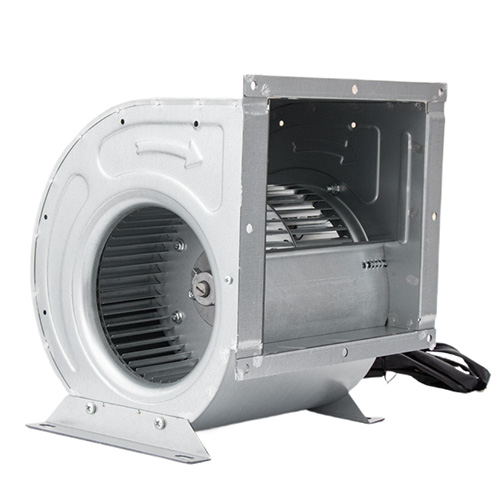
To keep your centrifugal blower fan running smoothly, perform regular cleaning and inspection. Clean the blades, check for any blockages, and ensure the system is free from debris.
Lubrication of Moving Parts
Lubricating the bearings and other moving parts will help prevent wear and tear. Follow the manufacturer’s recommendations for lubrication intervals to ensure the longevity of your fan.
Motor Maintenance
Check the motor regularly for signs of wear or overheating. Cleaning the motor and keeping it free of dust and debris will help it run more efficiently.
Filter Replacement and System Checks
If your fan system includes filters, replace them regularly. Additionally, perform system checks to ensure the fan is working optimally and that there are no issues with airflow or pressure.
Conclusion
Centrifugal blower fans are essential components in a wide range of industrial, commercial, and residential applications. Understanding their functionality, benefits, and maintenance needs will help you choose the right fan for your system and ensure long-term efficiency. Whether you’re looking to improve your HVAC system, enhance industrial ventilation, or maintain equipment cooling, centrifugal blower fans offer reliable and efficient solutions.
FAQ
What is a centrifugal blower fan?
A centrifugal blower fan is a mechanical device used to move air or gas by utilizing centrifugal force. The rotating impeller increases the air pressure and pushes it outward through ducts or systems.
What industries use centrifugal blower fans?
Centrifugal blower fans are commonly used in industries such as HVAC, chemical processing, dust collection, cooling systems, and wastewater treatment to move air, improve ventilation, and manage exhaust systems.
How does a centrifugal blower fan differ from an axial fan?
Unlike axial fans, which move air in a straight line, centrifugal blower fans generate high air pressure by pushing air radially. This makes centrifugal fans ideal for applications requiring higher pressure, such as industrial ventilation and air conditioning systems.
How do I maintain a centrifugal blower fan?
Regular maintenance includes cleaning the fan blades, checking for blockages, lubricating moving parts like bearings, and inspecting the motor for any signs of wear. This ensures optimal performance and extends the fan’s lifespan.
What are the benefits of using an energy-efficient centrifugal blower fan?
Energy-efficient centrifugal blower fans consume less electricity, leading to lower operational costs and reduced environmental impact. They are designed to provide high airflow while minimizing energy waste, making them an excellent choice for sustainable operations.
Need Help Choosing the Right Centrifugal Blower Fan?
Our experts are here to guide you in selecting the perfect fan for your specific needs. Whether you’re looking for efficiency, performance, or durability, we have the right solution for you. Contact us today for personalized recommendations and competitive pricing!