
Welcome to My Blog!
Before we dive into the content, if you’re interested in our products or have any questions, please feel free to visit our Contact Us page on the website. Our team is ready to assist you with inquiries, orders, or any support you may need.
Now, let’s get started on our journey together. I hope you find the content here insightful, engaging, and valuable.
Table of Contents
Centrifugal fans are integral components of a wide range of industrial, commercial, and residential systems. From HVAC to ventilation, cooling systems, and more, these fans play a vital role in air movement and pressure regulation. In this comprehensive guide, we will explore the features, applications, and benefits of centrifugal fans, as well as how to choose the right one for your needs. Whether you are in the market for a new fan or simply curious about how they work, this blog will provide you with essential insights.
What is a Centrifugal Fan?
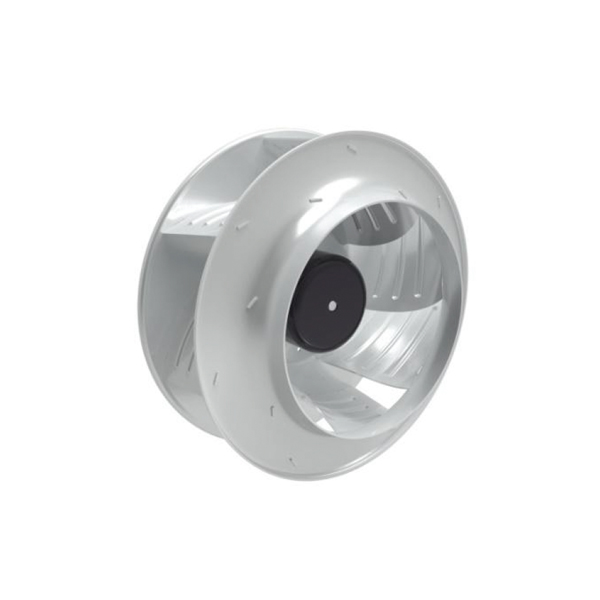
Definition and Working Principle of Centrifugal Fans
A centrifugal fan is a type of mechanical fan that moves air using centrifugal force. These fans operate by pulling air into the center of the fan housing and expelling it at a 90-degree angle through the fan blades. The air is forced out of the fan by the spinning blades, which increases its velocity and pressure. This process helps the fan move large volumes of air, making it suitable for applications where high pressure is required.
The main components of a centrifugal fan include the impeller (fan blades), housing, motor, and drive mechanism. The impeller’s shape and design determine the fan’s performance, including the airflow rate and pressure.
How Centrifugal Fans Differ from Other Types of Fans
Centrifugal fans are often compared to axial fans, as both are used for air movement. The main difference between them lies in how they move air. Axial fans move air along the axis of the fan, while centrifugal fans force air at right angles to the intake, creating higher pressure. This makes centrifugal fans ideal for systems that require more pressure, such as industrial ventilation or HVAC systems.
Common Industries That Use Centrifugal Fans
Centrifugal fans are used in various industries, including:
- HVAC (Heating, Ventilation, and Air Conditioning): For maintaining airflow and pressure in heating and cooling systems.
- Industrial Manufacturing: Used in air handling, dust collection, and fume extraction.
- Mining: For ventilation and air circulation in underground mining operations.
- Food Processing: In cooling, drying, and ventilation applications.
Key Features of Centrifugal Fans
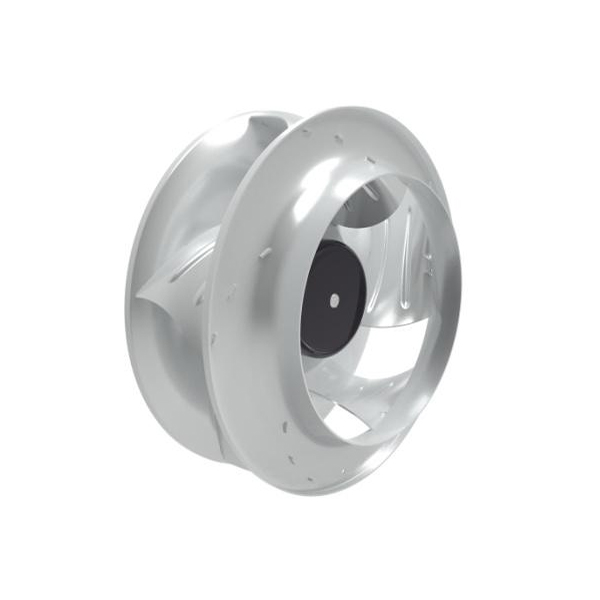
Fan Design and Construction
Centrifugal fans are available in various designs, including backward-curved, forward-curved, radial blade, and tangential blade configurations. Each design has its advantages, depending on the application:
- Backward-curved blades: These are ideal for high-efficiency applications, as they provide higher airflow and pressure while minimizing energy consumption.
- Forward-curved blades: These are typically used in low-pressure applications and are more compact.
- Radial blade fans: Known for their robustness, these fans are suitable for handling dirty or abrasive air.
- Tangential fans: These fans have a uniform air discharge, making them ideal for applications where consistent airflow is necessary.
Airflow Direction and Performance
Centrifugal fans work by creating a high-pressure airflow. The performance of the fan is determined by the combination of airflow volume (measured in CFM – cubic feet per minute) and pressure (measured in static pressure or inches of water column). The fan’s efficiency is impacted by the fan’s speed, blade design, and motor power.
Energy Efficiency and Motor Options
Modern centrifugal fans are designed with energy efficiency in mind. Many systems use variable frequency drives (VFD), which adjust the fan’s speed according to demand, thereby reducing energy consumption. Selecting a fan with an energy-efficient motor can significantly lower operational costs.
Noise Levels and Vibration Control
Noise is an important consideration when selecting a centrifugal fan. Some industrial applications, such as in hospitals or offices, require low-noise solutions. Advanced designs and the use of vibration-dampening materials help to reduce fan noise and vibrations, ensuring that the system operates smoothly without disturbing the surrounding environment.
Types of Centrifugal Fans
Backward Curved Centrifugal Fans
Backward curved centrifugal fans are the most efficient type for applications requiring high airflow and high-pressure performance. They are commonly used in HVAC, clean air systems, and industrial processes that need to maintain high airflow rates with low power consumption.
Forward Curved Centrifugal Fans
Forward-curved fans are used in applications where space is limited and lower pressures are acceptable. These fans are often found in residential and commercial HVAC systems. While they offer compact designs, they do not provide the high-pressure performance of backward-curved fans.
Radial Blade Centrifugal Fans
Radial blade fans are used in more robust applications, including material handling and industrial ventilation. These fans can handle dust, dirt, and other debris, making them suitable for harsh environments.
Tangential Centrifugal Fans
Tangential centrifugal fans are commonly used in situations where a consistent, even airflow is required. They are often found in air conditioning units, ventilation systems, and other applications where uniform air distribution is essential.
Applications of Centrifugal Fans
Industrial Ventilation and Air Handling
Centrifugal fans are critical in industrial ventilation systems, where they help control temperature, humidity, and air quality. These fans are used in manufacturing plants, warehouses, and factories to circulate air, remove contaminants, and maintain comfortable working conditions.
HVAC Systems for Commercial Buildings
In commercial buildings, centrifugal fans are used in HVAC systems to ensure proper airflow and temperature control. These fans help circulate air through ducts and vents, providing heating and cooling to different areas of the building.
Dust and Fume Extraction Systems
Centrifugal fans are often used in industries where dust and fumes are a concern, such as in the automotive, pharmaceutical, and food processing industries. These fans help to extract harmful particles and gases from the air, improving worker safety and air quality.
Cooling and Refrigeration Applications
Centrifugal fans are used in cooling and refrigeration systems, where they help circulate cold air or remove heat from components like compressors and condensers. Their high-pressure capabilities make them ideal for cooling large areas or specific components in refrigeration systems.
How to Choose the Right Centrifugal Fan for Your Needs
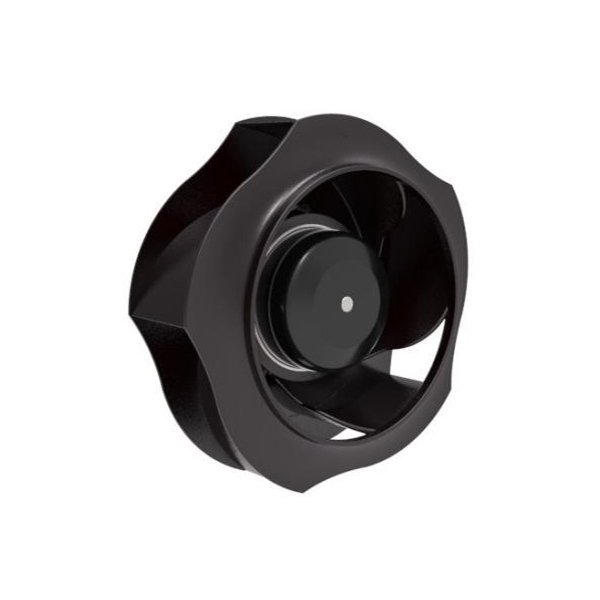
Considerations for Selecting Fan Size and Capacity
When selecting a centrifugal fan, the most important factor to consider is the airflow and pressure required for your application. Understanding the cubic feet per minute (CFM) and the static pressure needed will help you determine the size and type of fan that best suits your needs.
Choosing Between Single and Dual Inlet Fans
Centrifugal fans come in single-inlet and dual-inlet configurations. Single-inlet fans are used for simpler applications where only one air intake is needed, while dual-inlet fans are designed for systems that require balanced air intake from two directions, providing more airflow.
Understanding Pressure and Flow Rate Requirements
Centrifugal fans are rated for both airflow (CFM) and static pressure. Make sure to match the fan’s capabilities with the system’s requirements. If the application involves high pressure, such as in dust collection or ventilation, you’ll need a fan designed for high-pressure output.
Choosing a Fan Based on Noise and Energy Efficiency
For applications in noise-sensitive environments, selecting a low-noise fan design is crucial. Additionally, opting for a fan with a variable frequency drive (VFD) can improve energy efficiency by allowing the fan speed to adjust according to the load demand.
Maintenance and Troubleshooting of Centrifugal Fans
Regular Maintenance Practices for Longevity
Proper maintenance is essential for maximizing the lifespan of your centrifugal fan. Key maintenance tasks include:
- Regular cleaning of the fan blades and housing.
- Checking and lubricating the motor and bearings.
- Inspecting and replacing worn-out components like belts or seals.
How to Identify and Fix Common Issues (e.g., Noise, Vibration)
Some common issues with centrifugal fans include excessive noise, vibrations, and overheating. Noise and vibrations can be caused by unbalanced fan blades or damaged bearings. Overheating is often a sign of motor failure or lack of proper ventilation.
Balancing and Alignment of Centrifugal Fans
Imbalance and misalignment are common issues that can affect fan performance. Balancing the fan blades and ensuring proper alignment can help reduce vibrations and noise while improving overall performance.
Benefits of Using Centrifugal Fans in Industrial Systems
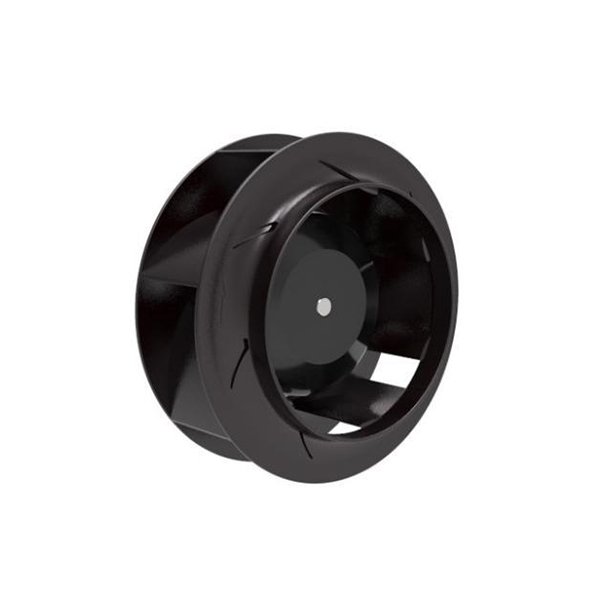
Improved Airflow and Ventilation
Centrifugal fans are known for their ability to move large volumes of air with high pressure. This makes them ideal for ventilation and air handling systems in industrial environments, where consistent airflow is crucial.
Energy Efficiency and Cost Savings
Modern centrifugal fans are designed for energy efficiency. With the use of variable speed drives (VSD) and advanced motor technology, these fans can reduce energy consumption and operating costs by adjusting airflow to match system demand.
Durability and Long-Term Performance
Centrifugal fans are built to last, even in harsh environments. Their robust construction allows them to handle high temperatures, dust, and corrosive gases, making them a reliable solution for long-term use in industrial applications.
Conclusion
Centrifugal fans are essential components in many industrial, commercial, and residential systems. By understanding their features, applications, and how to choose the right one, you can ensure that your ventilation and air handling systems perform optimally. Whether you’re looking for an efficient HVAC fan, an industrial fan for dust collection, or a cooling system solution, centrifugal fans provide the high-pressure performance needed for these applications. Regular maintenance and proper selection based on airflow, pressure, and energy efficiency will help ensure that your centrifugal fan serves you well for years to come.
FAQ
What is a centrifugal fan?
A centrifugal fan is a type of fan that moves air using centrifugal force. It pulls air into the center and expels it at a 90-degree angle, increasing airflow and pressure. This makes it ideal for systems requiring high pressure, like HVAC and industrial ventilation.
How does a centrifugal fan work?
Centrifugal fans work by rotating blades that pull air towards the center of the fan housing. The air is then pushed outward at a right angle, increasing its velocity and pressure, which is useful in applications needing consistent airflow and pressure.
What’s the difference between centrifugal and axial fans?
Centrifugal fans move air at right angles to the intake, generating higher pressure, making them suitable for high-resistance applications. Axial fans move air along the fan’s axis and are more efficient for low-pressure environments.
Why are centrifugal fans important in HVAC systems?
Centrifugal fans are crucial in HVAC systems as they help circulate air through ducts, improving air quality, regulating temperature, and ensuring efficient heating and cooling across a building or facility.
How do I maintain a centrifugal fan?
Maintaining a centrifugal fan involves regularly cleaning the blades, checking and lubricating the bearings, ensuring proper alignment, and replacing worn-out components like belts or seals to prevent overheating or mechanical failure.
Ready to Enhance Your Airflow System?
Whether you need a high-efficiency centrifugal fan for your HVAC, industrial ventilation, or cooling system, we’ve got the perfect solution for you. Contact us today to find the ideal fan for your needs or to get expert advice on selecting the right product for your application!