
Welcome to My Blog!
Before we dive into the content, if you’re interested in our products or have any questions, please feel free to visit our Contact Us page on the website. Our team is ready to assist you with inquiries, orders, or any support you may need.
Now, let’s get started on our journey together. I hope you find the content here insightful, engaging, and valuable.
Table of Contents
Introduction
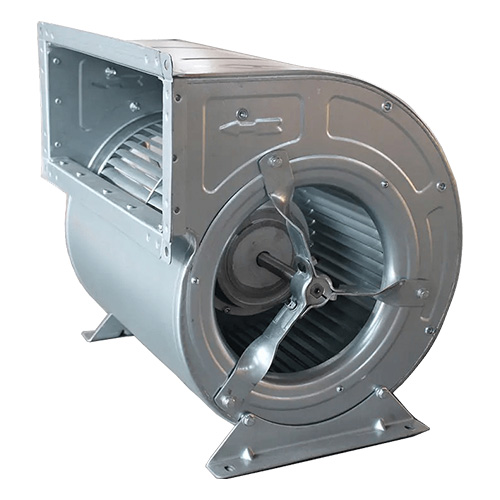
Selecting the right centrifugal blower fan for your system is a crucial decision that can significantly impact its performance, efficiency, and longevity. Whether it’s for an industrial application, HVAC system, or any other ventilation need, choosing the right fan is essential for smooth airflow and temperature control. The wrong choice could lead to poor performance, higher energy costs, or even system failure. In this guide, we’ll explore how to choose the best centrifugal blower fan for your needs, covering everything from flow rate to maintenance.
Factors to Consider When Selecting a Centrifugal Blower Fan
Choosing the right centrifugal blower fan involves understanding key factors that ensure it meets your specific system requirements. Consider the following:
- Flow Rate: This determines the volume of air the fan can move. It’s measured in CFM (Cubic Feet per Minute) or L/s (Liters per Second). If your application demands high airflow, make sure the fan can provide enough capacity to meet those needs. Choosing a fan that either underperforms or overperforms will result in inefficiency or wasted energy.
- Pressure Requirements: Pressure is another vital factor. The system’s resistance to airflow, called static pressure, must be matched by the fan’s capacity to ensure efficient operation. Higher-pressure applications, such as industrial exhaust or fume extraction, require a more robust fan design.
- Size and Space: Consider the physical size of the fan and the available space in your system. A larger fan might offer more power, but it could also require more room for installation. Make sure the fan fits within the constraints of your system.
- Efficiency: Choosing a fan with high energy efficiency ensures lower operational costs over time. Opt for models that have been designed for low power consumption, as they will save on electricity while maintaining the desired airflow.
Considering these elements will help you choose a fan that delivers the best performance for your specific system.
How Flow Rate Affects the Selection of Centrifugal Blower Fans
The flow rate is one of the most critical aspects when choosing a centrifugal blower fan. This refers to the volume of air the fan can move per minute. If you need to ventilate a large space or maintain airflow in a high-demand application, you’ll need a fan capable of delivering a high flow rate.
However, it’s important to avoid oversizing the fan. While a high-flow fan can seem appealing, it could lead to unnecessary energy consumption and added operational costs. On the flip side, a fan that’s too small will lead to inadequate airflow, which could hinder system performance or even cause it to fail.
The key is to balance airflow capacity with the system’s needs. By selecting the correct flow rate, you can ensure that the fan provides the right amount of air without wasting energy.
Choosing Between Forward Curved and Backward Curved Centrifugal Fans
When selecting a centrifugal blower fan, you’ll typically find two main types of fan blades: forward-curved and backward-curved. Each type serves different needs:
- Forward-Curved Fans: These fans have blades that curve in the direction of rotation, making them ideal for low-pressure, high-airflow applications. They are well-suited for use in HVAC systems, air conditioning, and ventilation applications, where high airflow is needed at relatively low pressure.
- Backward-Curved Fans: These fans are designed for high-pressure applications. If your system requires more force to push air through long ducts or filters, backward-curved fans are a better choice. They tend to be more energy-efficient in high-pressure systems and are commonly used in industrial environments.
Choosing the right fan type depends on your system’s pressure and airflow requirements. Forward-curved fans are suitable for residential or light commercial applications, while backward-curved fans excel in demanding industrial settings.
How to Select Centrifugal Blower Fans Based on Air Pressure Needs
Air pressure is another critical factor to consider when selecting a centrifugal blower fan. Static pressure, the resistance within the duct system, affects the fan’s ability to move air efficiently. Some systems require high-pressure fans that can move air against resistance, while others can operate with lower pressure.
For applications such as industrial ventilation or filtration, a fan that can handle high static pressure is essential. High-pressure fans are designed with stronger motors and impellers to ensure that air moves through restrictive ducts and filters effectively.
If you are working in an environment with low resistance, such as a residential HVAC system, a lower pressure fan will suffice. Understanding the pressure needs of your system will help you choose the right fan and avoid inefficiency.
Understanding RPM (Speed) in Centrifugal Blower Fan Selection
The RPM (revolutions per minute) of a centrifugal blower fan indicates how fast the fan’s blades rotate. This speed directly impacts the airflow and pressure generated by the fan. Generally, higher RPM results in higher airflow and static pressure, but it also requires more energy.
When selecting a centrifugal blower fan, it’s important to balance performance with energy consumption. If your system doesn’t require high airflow or pressure, a lower RPM fan can offer better efficiency and reduced energy costs. Conversely, higher RPM fans are better suited for applications that demand high airflow or pressure.
For systems with fluctuating airflow demands, consider a fan with a variable speed motor. These motors allow the fan to adjust speed based on real-time needs, improving energy efficiency.
Energy Efficiency of Centrifugal Blower Fans: What to Look For
Energy efficiency is one of the most important factors when selecting a centrifugal blower fan. A fan that operates with high energy efficiency will lower operational costs and contribute to environmental sustainability.
Look for fans with high-efficiency motors, often rated by organizations like ENERGY STAR. These motors use less energy while delivering the same level of performance. Additionally, consider variable speed fans, which adjust the motor speed based on the actual system demand, further reducing energy consumption during low-load periods.
While energy-efficient fans may have a higher upfront cost, the savings on energy bills over time make them a more cost-effective solution in the long run.
How Centrifugal Blower Fans Are Used in HVAC Systems
In HVAC systems, centrifugal blower fans are used to move air through ducts, providing consistent airflow and temperature regulation. For residential and commercial applications, the fan must handle a large volume of air while maintaining low noise levels.
In larger commercial buildings, centrifugal blower fans need to handle higher airflow rates and higher pressures to maintain air circulation throughout the building. For residential use, quieter, lower-pressure fans are preferred.
Selecting the right fan for your HVAC system requires an understanding of the space, airflow needs, and energy requirements. A well-chosen fan will improve system efficiency, reduce energy consumption, and ensure long-term comfort.
Common Applications of Centrifugal Blower Fans in Industries
Centrifugal blower fans are widely used across various industries due to their ability to deliver high-pressure airflow. Some common applications include:
- Dust and Fume Extraction: Used in industries like pharmaceuticals and food processing to remove hazardous particles from the air, ensuring a clean working environment.
- Ventilation Systems: In manufacturing plants and warehouses, centrifugal blower fans provide fresh air and regulate indoor temperatures.
- Air Conditioning: Centrifugal fans circulate air within AC units and cooling systems, maintaining consistent airflow and temperature control.
By understanding the specific needs of each application, you can select a fan that meets the performance, efficiency, and pressure requirements.
How to Maintain Centrifugal Blower Fans for Maximum Longevity
Proper maintenance is key to keeping your centrifugal blower fan running efficiently. Regular cleaning, lubrication, and inspection can extend the life of the fan and prevent breakdowns. Here’s what you should do:
- Clean the Fan: Remove dust and debris from the blades and motor to avoid performance loss and wear.
- Lubricate Moving Parts: Bearings and impellers should be regularly lubricated to reduce friction and prevent damage.
- Inspect the Motor: Check the motor for overheating, wear, or electrical issues to ensure it runs smoothly.
Routine maintenance helps you avoid costly repairs and ensures your fan continues to deliver optimal performance.
Troubleshooting Common Issues with Centrifugal Blower Fans
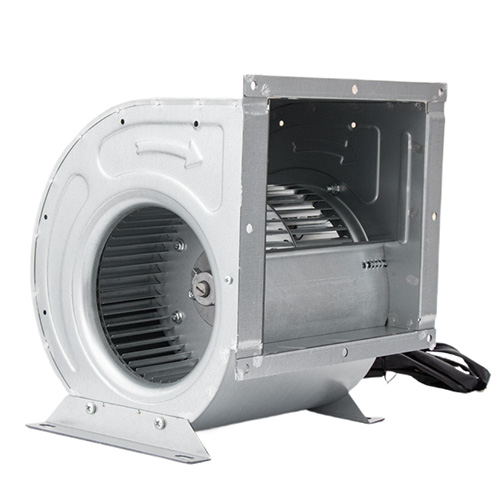
Over time, centrifugal blower fans can experience various issues. Some common problems and their solutions include:
- Excessive Noise: This can occur due to imbalanced fan blades, worn bearings, or loose components. Regular checks and maintenance can address this issue.
- Reduced Airflow: Blocked filters, dirt accumulation, or damaged impellers can reduce airflow. Cleaning or replacing parts will restore performance.
- Overheating: Overheating can be caused by poor airflow or motor malfunction. Ensuring proper ventilation and fan speed settings can prevent this.
By identifying and addressing these issues early, you can maintain your fan’s efficiency and prolong its lifespan.
Conclusion
Selecting the right centrifugal blower fan is essential for ensuring the efficiency and performance of your system. Consider factors like airflow, pressure, fan type, and energy efficiency to make an informed decision. Regular maintenance and prompt troubleshooting will ensure that your fan continues to operate smoothly and reliably.
At Xinzhehao, we offer a range of high-quality centrifugal blower fans tailored to meet your specific needs. Contact us today to learn more about our products and how we can help optimize your system.
FAQ
How do I determine the right airflow capacity for a centrifugal blower fan?
You need to calculate the required CFM based on the system’s size, airflow needs, and duct layout. Consult with an expert to ensure accuracy.
What is the difference between forward-curved and backward-curved centrifugal blower fans?
Forward-curved fans are best for low-pressure, high-flow systems, while backward-curved fans excel in high-pressure applications like industrial systems.
How often should centrifugal blower fans be serviced?
We recommend servicing your fan at least once every 6 to 12 months, depending on usage. Regular cleaning and lubrication are crucial for optimal performance.