
Welcome to My Blog!
Before we dive into the content, I’d love for you to join me on my social media platforms where I share more insights, engage with the community, and post updates. Here’s how you can connect with me:
Facebook:https://www.facebook.com/profile.php?id=61574802150296
Now, let’s get started on our journey together. I hope you find the content here insightful, engaging, and valuable.
Table of Contents
Introduction
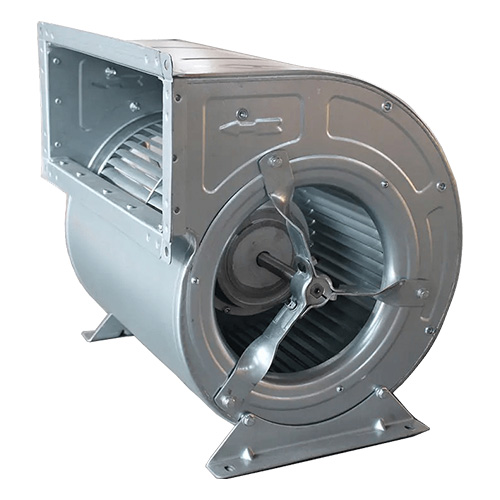
In the world of airflow and ventilation, selecting the right type of air-moving equipment can significantly influence performance, comfort, noise levels, and energy consumption. Among the most common devices in this domain are the quiet centrifugal blower and the standard fan. Both serve similar purposes—circulating air, improving airflow, and managing temperature—but they differ greatly in design, functionality, and performance.
Understanding the distinctions between these two options can help facility managers, HVAC professionals, engineers, and even homeowners make informed decisions tailored to their needs. Whether you’re working with a high-end residential HVAC system, designing a sterile cleanroom, or simply looking for efficient ventilation in a workspace, choosing the right equipment matters. In this blog, we’ll explore the pros and cons of the quiet centrifugal blower compared to the standard fan across multiple dimensions—noise levels, energy efficiency, system integration, and more.
What Is a Quiet Centrifugal Blower?
A quiet centrifugal blower is a specialized air-moving device that operates by drawing air into the center of a rotating impeller and then expelling it radially outward. The term “quiet” refers to the sophisticated engineering that significantly reduces noise during operation. These blowers are designed with aerodynamic impellers, vibration-damping materials, and enclosed housings that help suppress acoustic emissions.
Unlike traditional fans, a quiet centrifugal blower does not just push air forward. Instead, it compresses and redirects airflow at a 90-degree angle, making it highly effective in ducted systems and pressurized environments. This redirection also contributes to better airflow consistency and pressure management.
Key Features of Quiet Centrifugal Blowers
- Low noise output: Designed specifically for noise-sensitive environments such as hospitals, libraries, labs, and luxury residences.
- High static pressure handling: Ideal for systems with filters, ducts, or other resistive components that hinder airflow.
- Durability and reliability: Built with high-quality bearings and motors that ensure long-term, continuous operation with minimal failure.
- Customizable configurations: Available in a variety of sizes, materials, and performance classes to meet diverse application requirements.
- Compact and enclosed designs: Perfect for confined spaces where noise and airflow must be controlled precisely.
Because of their advanced design and capabilities, quiet centrifugal blowers are often used in applications that demand more than just air circulation—they are chosen for performance, silence, and long-term efficiency.
What Is a Standard Fan?
A standard fan is a more traditional form of air-moving equipment. It typically operates using axial flow, where the blades rotate to push air straight forward, in line with the shaft. These fans are commonly found in household applications, industrial environments, and open ventilation systems.
The simplicity of standard fans makes them affordable and widely used. However, they may not always offer the best performance in specialized or noise-sensitive applications. Their open-blade design and lack of housing result in more turbulence and, consequently, more noise.
Standard Fan Highlights
- Simplicity and affordability: Standard fans are less expensive and easier to source than centrifugal alternatives.
- High airflow at low pressure: Effective for moving large volumes of air in unrestricted spaces.
- Wide availability: Found in everything from desk fans and ceiling fans to industrial exhaust systems.
- Low maintenance requirements: Basic construction with fewer components means minimal upkeep.
- Straightforward installation: Easily mounted or placed in various locations without requiring complex integration.
Despite their advantages, standard fans may struggle with maintaining airflow under pressure, operating quietly, or integrating into enclosed or ducted systems.
Performance Comparison: Quiet Centrifugal Blower vs Standard Fan
Selecting between a quiet centrifugal blower and a standard fan often comes down to performance requirements. Below is a table that outlines the most critical features you should consider when evaluating both types of equipment.
Performance Table: Quiet Centrifugal Blower vs Standard Fan
| Feature | Quiet Centrifugal Blower | Standard Fan |
|---|---|---|
| Noise Level | Very Low | Moderate to High |
| Airflow Consistency | High (Stable under resistance) | Variable under resistance |
| Pressure Handling | Excellent (Suited for ducts) | Poor (Not suited for high-pressure) |
| Energy Efficiency | Higher (Optimized motor control) | Lower (Constant power usage) |
| Size and Compactness | Compact and Enclosed | Larger blade span |
| Application Suitability | HVAC, Labs, Cleanrooms, Electronics | General ventilation, Home use |
| Maintenance Needs | Moderate (but predictable) | Low, but less reliable over time |
| Customization Options | High (modular for noise control) | Limited |
As this table shows, the quiet centrifugal blower outperforms the standard fan in most areas where stability, low noise, and system integration are critical.
Advantages of Choosing a Quiet Centrifugal Blower
Superior Noise Reduction
The standout benefit of a quiet centrifugal blower is its significantly lower noise output. These units are often used in settings where silence is golden—such as surgical rooms, operating theaters, and high-end conference rooms. The use of acoustically insulated casings, advanced blade geometry, and precision-balanced motors all contribute to their nearly whisper-quiet operation.
In contrast, standard fans typically produce mechanical and aerodynamic noise. The open blades chop through the air, and vibrations are transmitted through the mount, resulting in a much noisier working environment.
Stable Performance Under Load
Quiet centrifugal blowers maintain a consistent airflow rate, even when operating against resistance—such as filters, ducts, or restricted vents. This makes them perfect for complex HVAC installations or industrial settings requiring constant air pressure. Standard fans often see a drop in performance under load, which can compromise air quality and system reliability.
Energy-Efficient Design
Thanks to variable-speed motors and intelligent control systems, quiet centrifugal blowers are often more energy-efficient than standard fans, especially over long periods of use. When combined with energy-saving strategies such as automated shutdowns or load-based modulation, these blowers contribute to lower electricity bills and a reduced environmental footprint.
Enhanced System Integration
Quiet centrifugal blowers can be easily integrated into modern automated systems, such as Building Management Systems (BMS) or smart HVAC controllers. They offer modular designs that allow for easy adjustments in airflow direction, speed, and pressure. Standard fans, by contrast, are typically stand-alone units with limited control flexibility.
Disadvantages of Quiet Centrifugal Blowers
Higher Initial Cost
While a quiet centrifugal blower offers long-term savings through efficiency and durability, the initial investment is undeniably higher. These blowers are constructed using high-quality components and advanced technologies, which come at a premium. However, for environments where noise reduction is a priority, the investment often pays off over time.
More Complex Maintenance
Though not inherently difficult to maintain, quiet centrifugal blowers require a more thorough maintenance routine than standard fans. Components such as sealed bearings, filters, and sound-dampening materials need periodic inspection and replacement. However, many manufacturers provide clear maintenance schedules and support to ease this burden.
Size Constraints in Certain Setups
Although these blowers are compact compared to traditional centrifugal designs, they may still pose installation challenges in extremely tight spaces or unconventional layouts. Engineers must consider duct paths, vibration isolation, and noise insulation during the planning phase to ensure optimal performance.
When Is a Standard Fan the Better Option?
Lower Budget Applications
For short-term projects, temporary setups, or budget-constrained environments, standard fans are often the logical choice. They offer decent airflow at a low cost and are widely available in many sizes and configurations.
Open Air Circulation Needs
In environments like warehouses, garages, or construction sites, noise isn’t always a critical concern. Standard fans excel at providing general ventilation in such open areas without the need for pressure control or noise suppression.
Simpler Maintenance
Standard fans have fewer components and are generally easier to disassemble, clean, or replace. Maintenance can often be done in-house without the need for specialized training or tools.
Application-Specific Recommendations
Quiet Centrifugal Blower Ideal Use Cases:
- Hospital ventilation systems
- Cleanroom air circulation
- Laboratory fume extraction
- Residential HVAC upgrades
- Precision manufacturing facilities
- High-end electronics cooling
- Data center server cabinet ventilation
- Medical equipment air management
Standard Fan Ideal Use Cases:
- Warehouse cooling
- Domestic room circulation
- Temporary construction ventilation
- Agricultural ventilation systems
- Small commercial spaces with low pressure needs
- Event halls and open public areas
- Seasonal air movement
Long-Term Value and Durability
Over time, the quiet centrifugal blower offers significantly more value due to its longevity, consistent performance, and energy efficiency. Built to endure thousands of hours of operation with minimal degradation, these blowers deliver reliable service for years. On the other hand, standard fans may degrade faster due to wear on the motor and unbalanced blades, especially when used continuously in demanding environments.
Installation and Integration Considerations
Installing a quiet centrifugal blower requires careful planning to optimize placement, airflow direction, and vibration control. These systems often benefit from being integrated with ductwork, silencers, or isolation mounts. In contrast, standard fans typically require minimal planning—they can be mounted or freestanding and begin operation immediately upon connection to power.
However, what standard fans gain in simplicity, they lack in adaptability. Quiet centrifugal blowers, with their modular designs, are easier to tailor to specific environmental needs and future upgrades.
Environmental and Safety Considerations
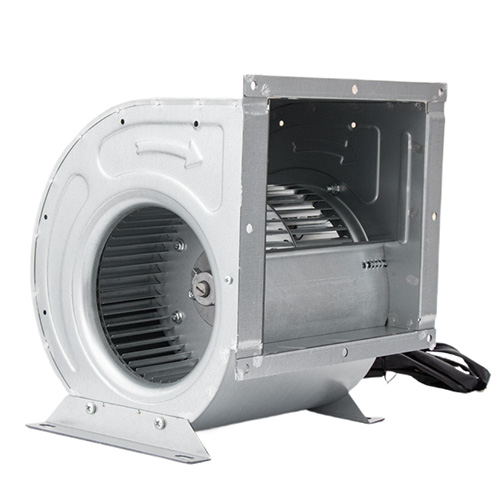
A major benefit of using a quiet centrifugal blower is its contribution to a safer and healthier work environment. Reduced noise levels help minimize noise-induced stress and fatigue, while stable airflow ensures proper ventilation, temperature regulation, and contaminant control.
Standard fans, while effective in basic ventilation, can generate excessive noise and uneven airflow, which may be disruptive or even unsafe in sensitive applications such as laboratories or healthcare facilities.
Conclusion
The decision between a quiet centrifugal blower and a standard fan should be based on your specific application, performance requirements, and budget. If you’re designing a noise-sensitive, energy-efficient, and high-performance system, a quiet centrifugal blower is clearly the superior choice. Its advanced features, customizable design, and reliable operation offer long-term value.
However, if your needs are temporary, budget-conscious, and focused on basic airflow in an open area, a standard fan may suffice.
For tailored advice, premium equipment, and expert integration services, contact us today. We specialize in helping clients select and deploy the most effective air-moving solutions—whether it’s a whisper-quiet centrifugal blower for a cleanroom or a durable standard fan for a factory floor.
FAQ
Is a quiet centrifugal blower really much quieter than a standard fan?
Absolutely. Quiet centrifugal blowers are engineered with advanced acoustic insulation and precision components that minimize both mechanical and airflow noise. In most applications, these blowers operate at under 60 dB, which is significantly quieter than the 70-80 dB range of many standard fans.
Can I use a quiet centrifugal blower in my home HVAC system?
Yes, many high-end residential HVAC systems use quiet centrifugal blowers for both heating and cooling. Their ability to provide consistent airflow with minimal noise makes them ideal for bedrooms, home offices, and entertainment areas.
Do quiet centrifugal blowers require special maintenance?
While they are built for reliability, quiet centrifugal blowers should be inspected periodically for dust accumulation, motor wear, and bearing lubrication. Following the manufacturer’s maintenance schedule can greatly extend the blower’s life.